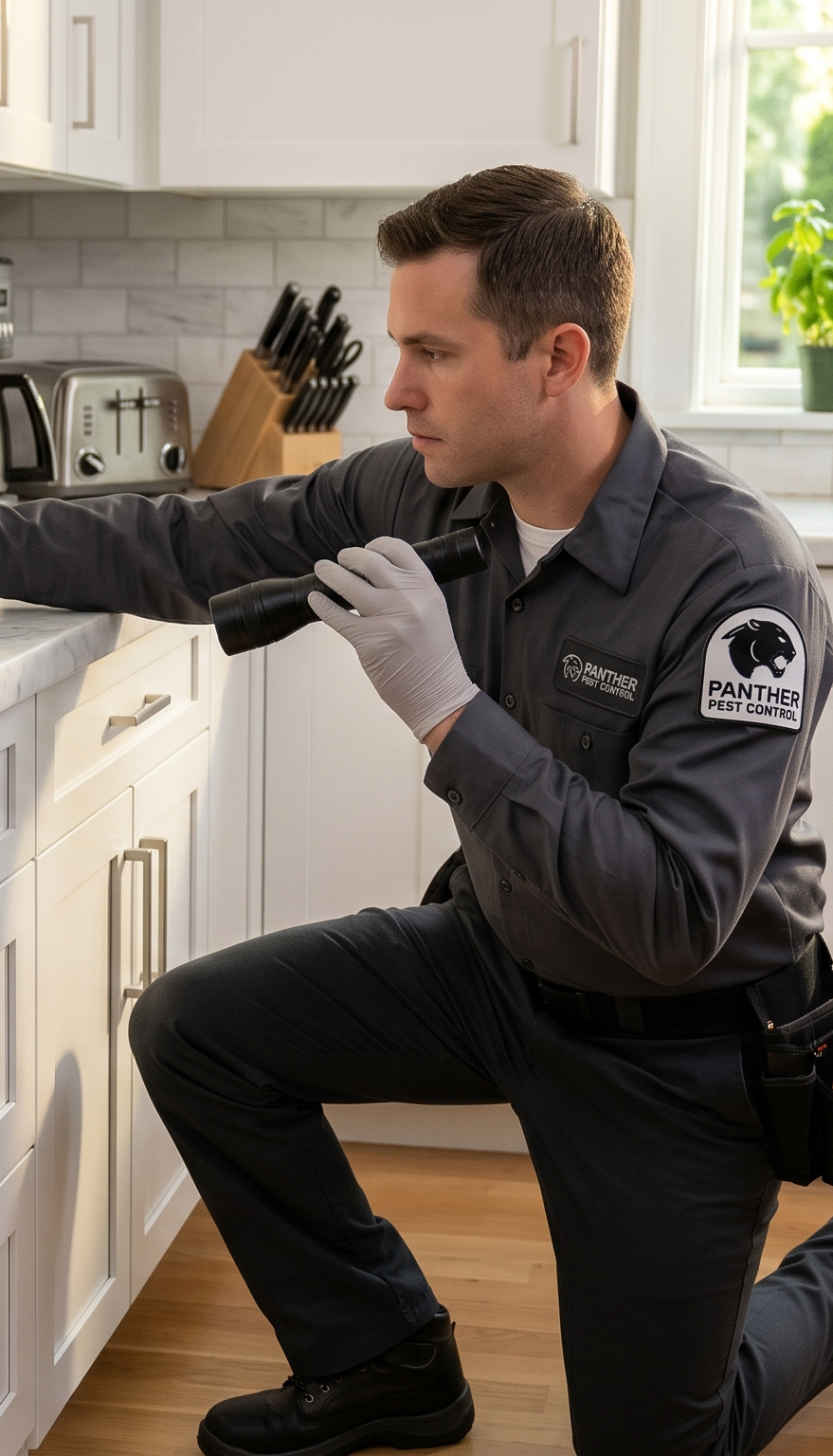
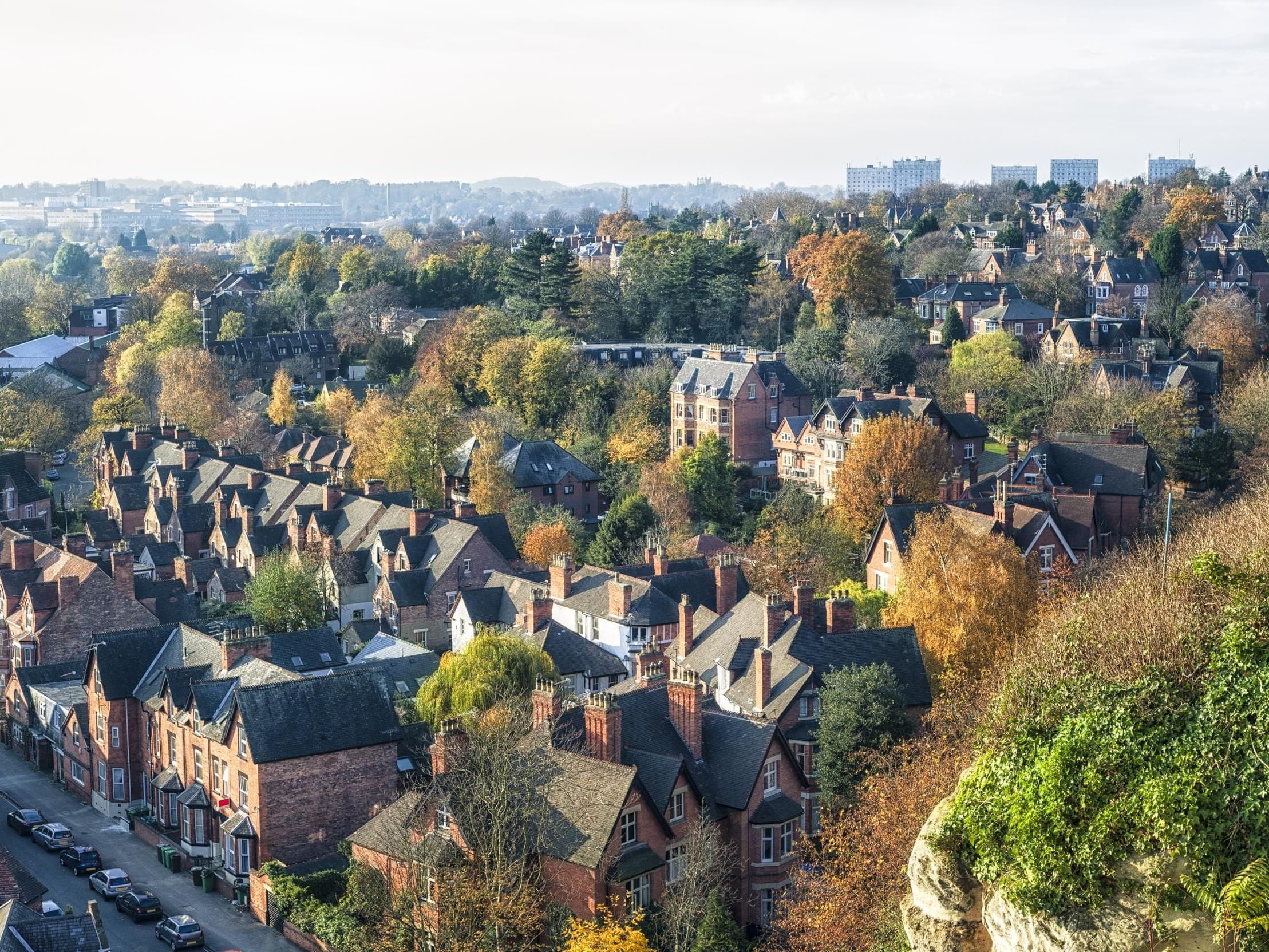
In Mottingham, pest control planning begins by identifying structural weak points that allow pests to enter or remain hidden within residential and commercial buildings. This is particularly relevant in Victorian conversions, mansion blocks, purpose-built flats, and high-ceilinged townhouses where ageing construction methods create irregular gaps in masonry, timber joints, and service penetrations. Vulnerability Mapping is carried out to determine where pests are most likely to travel, nest, or feed within the building fabric.
During inspections, attention is given to roof voids, subfloor spaces, and internal wall cavities, as these areas often remain undisturbed for long periods and provide ideal shelter for rodents and insects. In older properties, degraded pipe seals and loose brickwork can create unnoticed entry points that connect directly to kitchens, basements, or communal hallways. Even minor gaps around utility lines can become established pest routes if left untreated.
External building assessments are equally important, particularly in mixed-use streets where commercial office buildings sit alongside residential units. Waste storage zones, bin access points, and shared alleyways are examined for activity that may influence internal infestations. This approach ensures that pest pressure outside the property is considered alongside internal structural conditions.
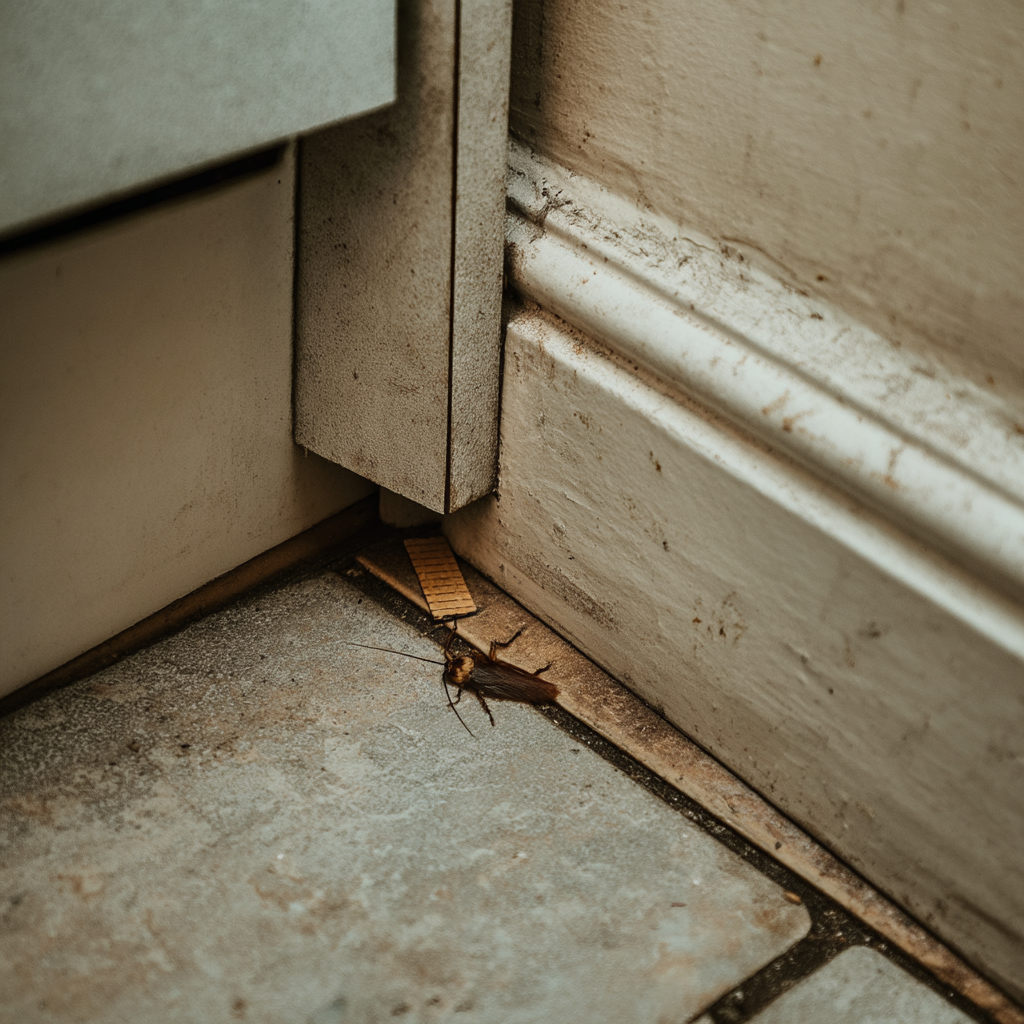
Inside the property, moisture-prone areas such as bathrooms, utility rooms, and under-sink cabinets are carefully evaluated. These zones often support secondary pest activity due to humidity and organic residue buildup. Moisture-Linked Pest Vulnerability is a key factor in determining where targeted treatment or proofing should be applied to prevent recurring infestations.
In renovation scenarios, vulnerability mapping becomes even more critical as construction work can expose previously sealed entry points. When plaster is removed or flooring is lifted, hidden tunnels and nesting sites may become active again. This is why inspection data is continuously updated during building works to reflect changing conditions on-site.





 020 3404 5177