 020 3404 5177
Reliable Pest Control Experts Serving Abingdon
- Greenhouse Pest Management – Protect plants with targeted, pest-free solutions and routine monitoring to prevent re-infestation in controlled growing environments.
- Post-Infestation Clean-Up – Restore hygiene after a pest problem with deep sanitation of affected areas, waste removal, and contamination control.
- Vacation Rental Protection – Prevent pests and safeguard guests and property through scheduled inspections, turnover checks, and rapid response treatment plans.
- Commercial Office Pest Prevention – Maintain pest-free working environments in office buildings with discreet monitoring, entry-point sealing, and ongoing compliance-focused treatments.
- Emergency Pest Response – Rapid deployment for urgent infestations, including same-day assessment and immediate containment to limit spread and structural impact.
Why Professional Pest Extermination Is Essential in Abingdon

Anthony R. 
Called for a flea treatment at the end of tenancy and received a prompt response. They send me a professional first thing in the morning which was really appreciated and the whole procedure went off smoothly and fast.
Frequently Asked Questions
Can Panther Pest Control in Abingdon Carry Out Services Outside Business Hours?
Yes, we offer flexible scheduling, including after-hours services, to minimize disruption to your business.
Do You Provide Pest Control Services for Rental Properties in Abingdon?
Yes, we work with landlords and property managers to provide pest control services for rental properties and ensure compliance with local regulations.
Which Industries in Abingdon Are Legally Required to Have Regular Pest Control?
Industries like food service, healthcare, and hospitality are often required to maintain regular pest control to comply with health and safety regulations.
Rodent Pressure in Older Abingdon Properties
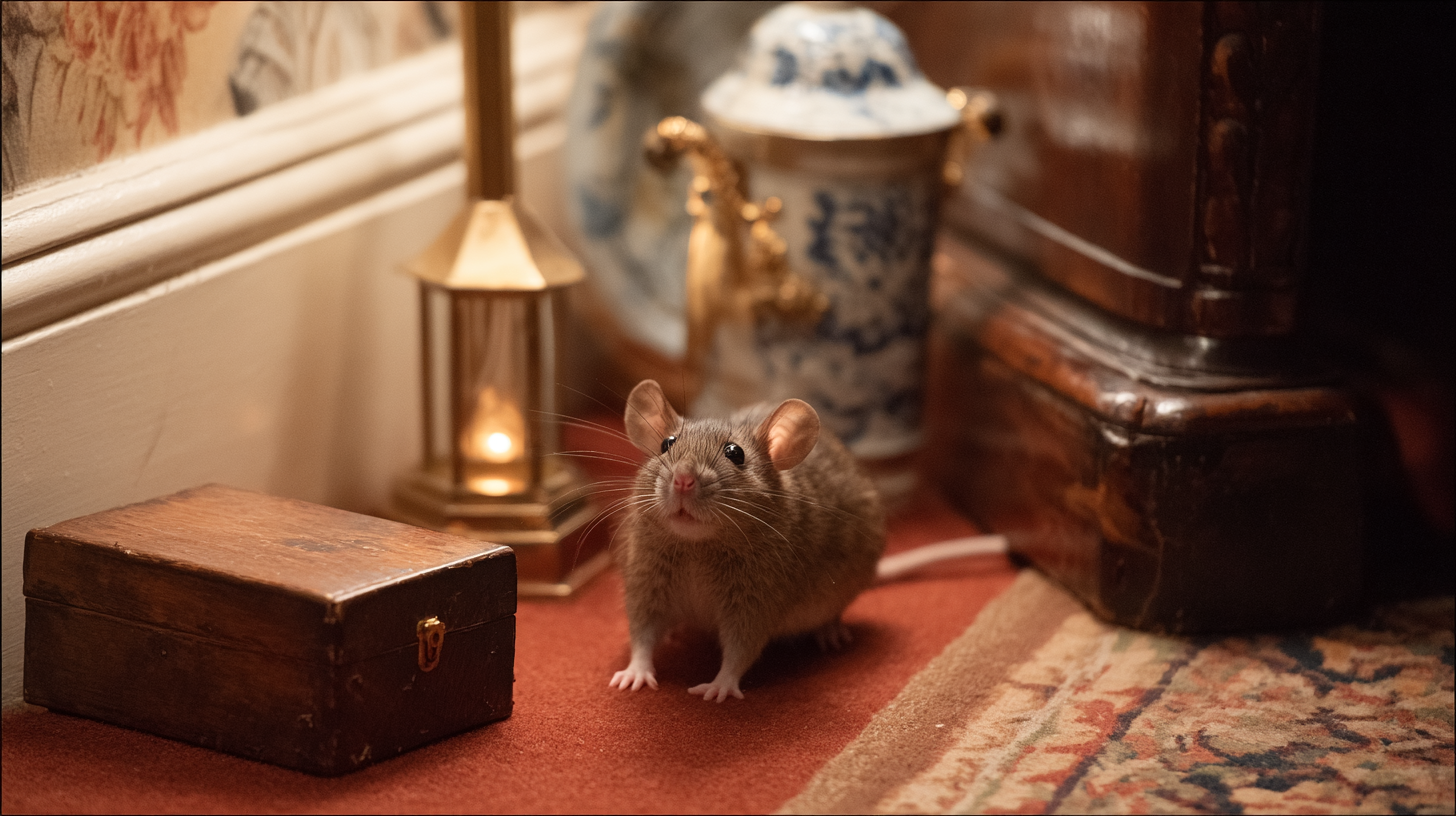
Abingdon’s ageing drainage systems and mixed-use building layouts create consistent rodent ingress points, especially in Victorian conversions, basement flats, and service-heavy commercial office buildings. The highest risk comes from structural gaps around pipework and void spaces where rats and mice establish fast-moving nesting routes. Effective rat infestation control is critical because populations spread quickly once they access warm internal voids via sewers and wall cavities, particularly in densely connected townhouse rows and mansion blocks.
Wasps and Hornet Nesting in Roof and Eaves Voids
Seasonal activity in Abingdon regularly escalates in roof spaces, chimney stacks, and external soffits where wasps and hornets exploit dry sheltered voids in purpose-built flats and high-ceilinged townhouses. These nests expand rapidly during warmer months and become aggressive when disturbed, especially in shared residential blocks and converted office buildings where inspection access is limited. Early intervention via wasp nest removal is essential to prevent colony maturation and structural penetration into insulation layers.
Ant Infestations in Kitchens and Shared Access Points
Ant activity in Abingdon typically concentrates around ground-floor kitchens, communal corridors, and shared utility risers in multi-occupancy properties. In operational terms, infestations are driven by moisture gradients and food trace trails that form quickly along skirting boards and service entry points. Treatment using ant colony elimination must be combined with environmental correction, particularly in mansion blocks and older flats where repeated ingress occurs through unsealed pipe chases.
Environmental Drivers Across Mixed Property Types
Across Abingdon, pest activity is strongly influenced by moisture retention, ageing masonry, and inconsistent maintenance cycles in both residential and commercial buildings. High-ceilinged townhouses and converted office buildings are particularly vulnerable due to concealed void networks and limited inspection access. These conditions increase reliance on preventative pest management strategies that focus on early detection, sealing entry routes, and scheduled monitoring rather than reactive treatment after infestation is established.
Hornet Control and Nest Management in Abingdon Properties
Hornet Nest Formation in Roof Voids and Structural Gaps
Hornet activity in Abingdon typically begins in late spring when queens establish nests in sheltered roof voids, chimney stacks, and wall cavities. Older Victorian conversions and high-ceilinged townhouses provide ideal concealed spaces due to irregular timber junctions and ageing masonry gaps. In commercial office buildings, external façade voids and signage recesses also become common nesting zones. Effective hornet control is essential at this stage because early nests expand rapidly and remain hidden until activity increases around entry points.
Risk Escalation in Shared and Multi-Occupancy Buildings
In mansion blocks and purpose-built flats, hornet colonies can expand across shared roof void systems, making infestations more complex to isolate. Residents often notice increased hornet traffic near loft hatches, soffits, or communal stairwell exits before the nest is visually identified. These environments require structured assessment using a pest inspection approach to map movement patterns and confirm nesting locations without disturbing the colony prematurely.
Safe Removal and Preventative Structural Sealing
Once a nest is confirmed, controlled intervention is carried out to reduce agitation and prevent swarm response, particularly in densely occupied residential streets and mixed-use commercial premises. After removal, technicians focus on sealing entry gaps in rooflines, brickwork joints, and service penetrations to reduce re-establishment risk. Ongoing hornet prevention strategy is critical in Abingdon due to repeated seasonal nesting pressure in ageing property stock and poorly ventilated void systems.

G. Henderson
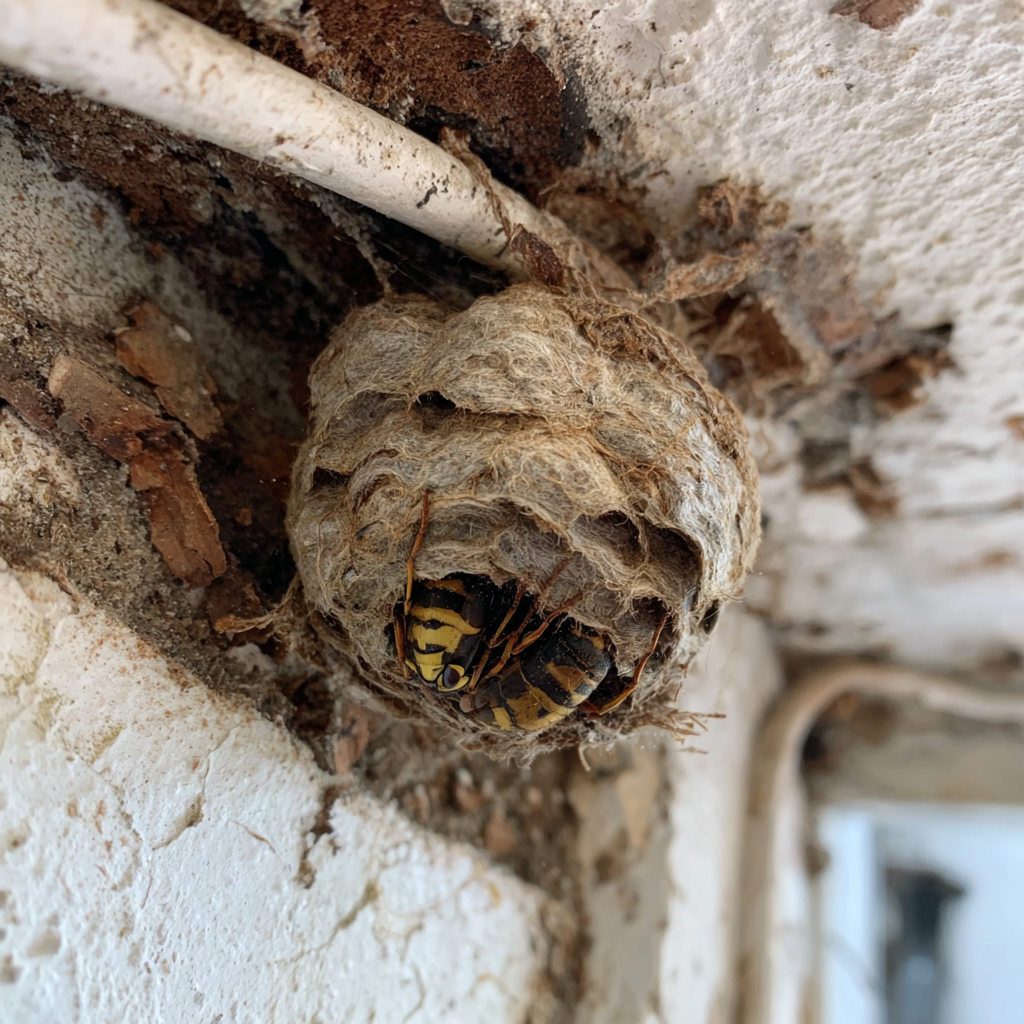
The nest in the backyard turned out to be made by wasps not bees, which made us call professional pest technicians to deal with it. They carefully removed it and no one was hurt during or after the treatment. Very good job.
What Our Customer Say`s
These are some of the responses from our customers who are very satisfied
Booked property fumigation of an entire house and was quite happy with the service. I expected it to take much longer that it actually took, so that was a nice surprise. I will recommend to everyone needing the job done swiftly.
I would have been nice if the world worked in a way that if you once get bed bugs and get rid of them they never reappear, but it doesn’t. I’ve had to call for bed bug treatment two times in the last five years and have trusted Panther Pest Control both times. They get the job done without any hassle, plus the prices are budget-friendly.
Excellent 5-star service from Georgi! Quick and efficient, was solution-focused as this was a mid-tenancy clean so had all my stuff in the flat still – he offered nothing but solutions, would 100% book him again!
Cockroaches were everywhere! It was terrifying! We must not have noticed the infestation at first because when we did see it it was a nightmare. We were so grossed out we called the first company that popped up online and booked an emergency service. We couldn’t be more grateful! Thank you!
The treatment was carried out in a professional manner and the technician answered all of my questions patiently. Thanks to their expertise, I can now enjoy a pest-free home. Highly recommend!
The pest infestation in our home went out of control completely. There were only spiders first but then we started seeing other crawling insects as well. Since the treatment was done, I haven’t noticed any invaders, yet!
Frequently Asked Questions
Do you offer pest control for businesses in Abingdon?
Yes, we provide pest control solutions for commercial properties, including restaurants, hotels, offices, and more.
How Often Should a Business in Abingdon Schedule Pest Control Services?
It depends on the type of business, but regular monthly or quarterly services are typically recommended for commercial properties.
What Pests Are Most Common in Restaurants in Abingdon?
Common pests in restaurants include rodents, cockroaches, flies, and ants, which are attracted to food and moisture.
What Steps Can Businesses in Abingdon Take to Prevent Pest Problems?
Businesses should focus on cleanliness, proper waste management, sealing entry points, and regular pest control inspections.
Panther Pest Control: Serving the Bicester Community
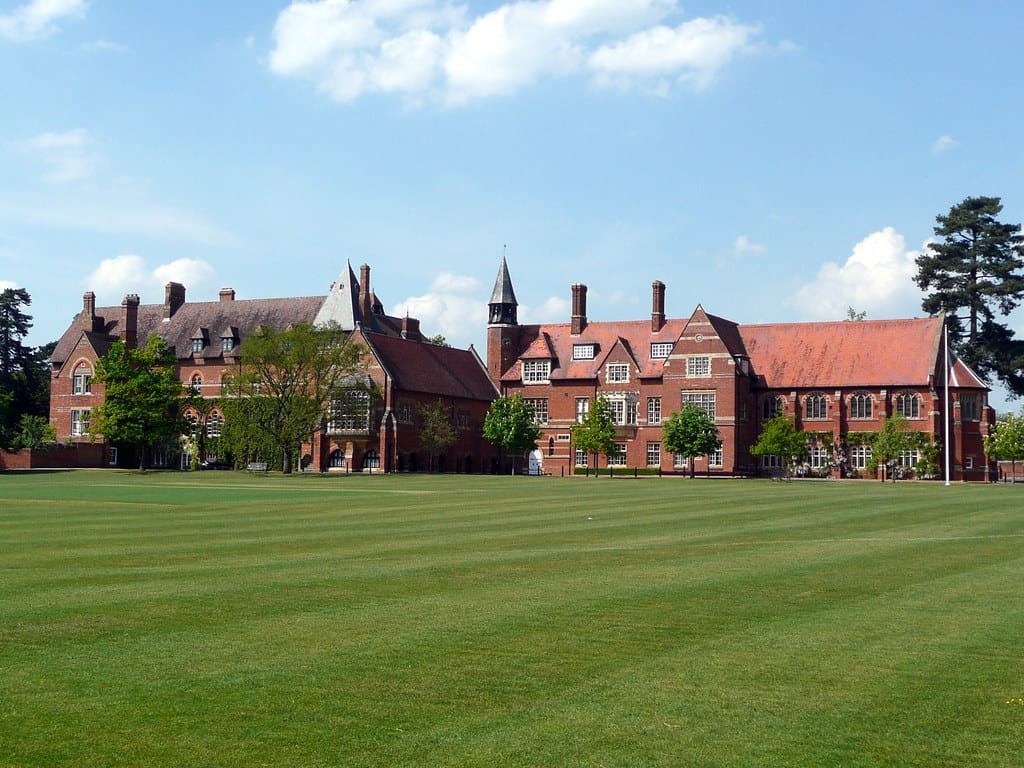
In Abingdon, Panther Pest Control offers comprehensive pest management solutions tailored to the unique needs of the community. Specializing in a wide range of pests—including resourceful rodents, persistent bed bugs, and troublesome insects—their expert team employs innovative, eco-friendly methods that prioritize safety and effectiveness. What truly sets Panther Pest Control apart in Abingdon is their dedication to exceptional customer service, ensuring personalized attention and support for every client. Whether you’re facing an urgent infestation or seeking proactive prevention strategies, you can rely on Panther Pest Control for prompt, professional service that keeps your home or business secure and comfortable.
Discover Abingdon: History, Community, and Local Living
Abingdon, located in Oxfordshire just south of Oxford, is a historic market town known for its charming streets, riverside walks, and vibrant community spirit. As one of England’s oldest continuously inhabited towns, Abingdon combines a rich heritage with modern amenities, offering residents a high quality of life. The town is home to a mix of period homes, modern developments, and riverside properties, appealing to families, professionals, and retirees alike.
Local life in Abingdon is enhanced by a variety of shops, cafes, and markets, as well as cultural attractions such as the Abingdon Museum and the scenic Abbey Meadows. The town also benefits from excellent transport links, including easy access to the A34 and nearby Oxford, making commuting straightforward. Green spaces, community events, and strong neighbourhood connections give Abingdon a welcoming, village-like feel while still being close to urban conveniences.
Despite its peaceful reputation, Abingdon properties are not completely immune to pest issues. Gardens, riverside areas, and older buildings can attract rodents, insects, and other unwanted visitors. Professional pest control services in Abingdon help homeowners and businesses manage these problems quickly and effectively. Panther Pest Control provides tailored solutions for both residential and commercial properties, combining expert knowledge, safe treatments, and preventative strategies to protect your home, office, or rental property from future infestations.
Whether it’s safeguarding your family’s home, protecting a business, or maintaining a rental property, proactive pest management ensures that life in Abingdon remains comfortable, safe, and pest-free. By addressing both immediate problems and long-term prevention, residents can enjoy the charm and convenience of this historic town without disruption.
Meet Our Experts

Local Wasp and Insect Specialist in Abingdon
Wasp activity can increase rapidly during the warmer months, particularly around lofts, rooflines, wall cavities and garden structures. Early intervention is often the safest and most effective way to prevent a small nest from developing into a larger infestation.
Alexander Clarke is one of Panther Pest Control’s experienced insect technicians, specialising in wasp nest treatments, flying insect control and the identification of active nesting sites. He has worked on a wide range of residential and commercial pest control projects throughout London and the surrounding areas.
🐾 Local pest pressure
Pest risk points near Abingdon
Our pest control technicians regularly work across Abingdon, covering homes, shops, commercial buildings, green spaces and busy local streets where pest activity can develop.
Chapter House and Pyx Chamber
Local landmark
Older or busy buildings can be more exposed to pest entry points.
129m away
House of Lords Library
Public building
Public buildings can require discreet inspections and prevention.
146m away
Milne’s House
School area
Schools and nearby buildings need safe, discreet pest prevention.
249m away
Westminster
Transport hub
Busy transport areas can increase waste, footfall and rodent pressure.
376m away
Institution of Civil Engineers
Commercial building
Large buildings often need proofing, monitoring and discreet pest prevention.
382m away
St. James's Park
Transport hub
Busy transport areas can increase waste, footfall and rodent pressure.
601m away
✓ Local technicians in Abingdon
✓ Same-day pest control visits
✓ Rodent, insect & bird proofing
✓ Discreet treatment for homes & businesses
Local pest knowledge matters. We consider nearby food sources, gardens,
transport links, building type and access points around Abingdon before recommending treatment.
Pest Control Abingdon

Certain local factors in Abingdon can increase the likelihood of pest activity. These include building age, nearby food establishments, waste storage conditions, and seasonal temperature changes.
For example, areas with dense housing or shared drainage systems can make it easier for pests to spread between properties without being immediately noticed. Older buildings may have small structural gaps, ageing pipework, or voids behind walls and floors that provide ideal entry points and nesting areas.
In addition, properties located close to restaurants, takeaways, or communal bins often experience higher levels of rodent and cockroach activity due to the constant availability of food sources. During colder months, pests such as mice and rats are more likely to move indoors, while warmer weather tends to increase insect activity, including ants, wasps, and flies.
Understanding these conditions helps identify the source of the issue more accurately and apply a treatment that addresses the root cause rather than just the visible signs. This approach not only resolves the immediate problem but also reduces the risk of the infestation returning in the future.
Postcode coverage: OX14
Other locations we cover nearby: Abingdon
Prices And Deals from Panther Pest Control

Rodent Control Plans & Pricing in Abingdon
Our rodent control plans include professional treatment and follow-up inspections to help eliminate rats and mice while reducing the risk of future infestations.
| 1-Month Plan | Price |
|---|---|
| 1-Bedroom Property | £205 |
| 2-Bedroom Property | £215 |
| 3-Bedroom Property | £240 |
Includes: Initial treatment plus one follow-up inspection within 30 days. Ideal for recent rodent activity.
| 3-Month Plan | Price |
|---|---|
| 1-Bedroom Property | £285 |
| 2-Bedroom Property | £295 |
| 3-Bedroom Property | £320 |
Includes: Initial treatment and two follow-up visits over three months. Recommended for persistent or recurring rodent infestations.
“`
Local Pest Management Challenges in Abingdon Residential Zones
Rodent Activity Identified in a Victorian Conversion Near Central Abingdon
A recent callout in a Victorian conversion close to Abingdon’s riverside streets involved persistent noise reports from a basement kitchen area. On arrival, inspection traced rodent movement through an old soil stack void that connected multiple flats within the same structure. In properties like this, hidden service gaps behind thick masonry walls allow rats to move between levels without detection. A structured rodent control programme was implemented, focusing first on access mapping, then sealing entry points before any treatment to prevent displacement into adjoining units.
Ant Infestation Escalation in a Mansion Block Communal Kitchen Line
In a mansion block on the edge of Abingdon town centre, repeated ant trails were reported across several ground-floor kitchens that shared a single service riser. The investigation revealed that moisture condensation within the riser was creating a stable nesting corridor, allowing colonies to re-establish even after surface-level treatment. In practice, this type of environment requires deeper structural correction rather than repeat spraying, and a focused insect management plan was applied to disrupt the colony source and remove attractant conditions within shared infrastructure.
Preventative Inspection Work in a Converted Office-to-Residential Building
During a preventative visit to a converted office building now used as residential flats, early signs of pest pressure were identified in ceiling voids above a top-floor apartment. The building’s original commercial layout meant multiple redundant service routes still existed within the structure, creating concealed movement paths. A full pest inspection was carried out to map these voids, particularly around roof junctions and shared risers, ensuring early intervention before activity could escalate into multiple-unit contamination.
Contact Us Today
Contact us
"*" indicates required fields
