Pest confidently identified
Move to the relevant service plan using the location and extent established during the SW14 inspection.

LOCAL PEST RESPONSE · SW14
Occasional insects and unexplained marks do not always justify an immediate application. We examine the evidence in context and use monitoring when time or location will provide a more reliable answer.
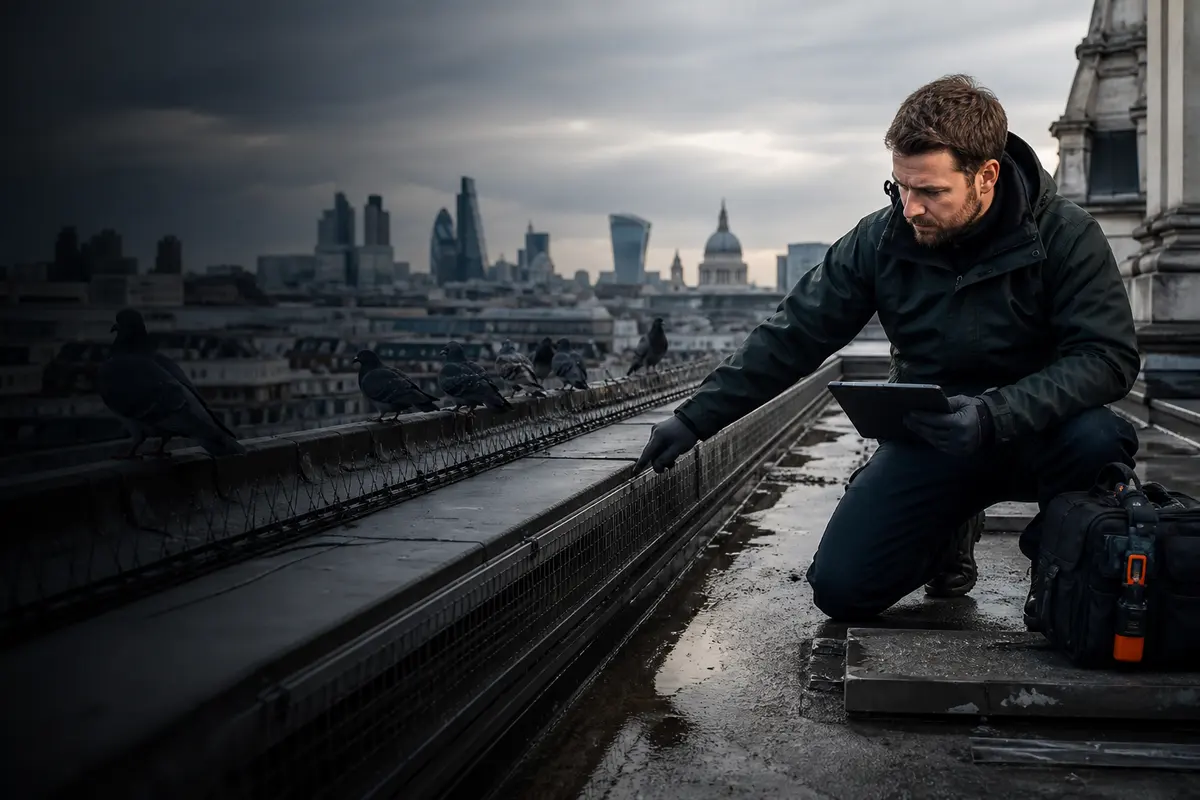
START WITH THE SIGN
Select the observation closest to the current evidence. It opens the relevant service guide; it does not diagnose the pest.
AREA AND BUILDING PROFILE
SW14 includes riverside streets, converted buildings and houses with gardens or lower-ground spaces. Proximity to water does not identify a pest, so each enquiry is tested against evidence at the individual address.
Some Mortlake inspections stop at leasehold boundaries, locked plant areas or neighbouring voids. The report explains these limits instead of presenting unseen spaces as confirmed sources.
INSPECTION FIELD NOTES
Shape, material, sound, smell, timing and exact position are recorded before likely causes are ranked.
Building works, deliveries, leaks, vacant periods and moved furniture can alter how evidence should be read.
Old damage, harmless outdoor insects and non-pest building noises are separated from signs needing control.
The outcome may be treatment, monitoring, proofing, cleaning or referral, with the reason and access limitation stated.
SELECTED SERVICE FOCUS
The inspection focus shows how a defined monitoring question can prevent unnecessary treatment when activity is occasional.
Read the pest inspection guide →Move to the relevant service plan using the location and extent established during the SW14 inspection.
Use labelled monitoring or request a specimen rather than selecting a treatment by guesswork.
Record the repair or access issue for the owner, managing agent or suitable trade before pest work continues.
PUBLISHED STARTING POINTS
The final scope reflects identification, number of areas, access and any method-specific follow-up.
| Service | Price from | Basis |
|---|---|---|
| Pest inspection | From £62 | Inspection visit |
| Flea and moth control | From £184 | Treatment plan |
| Wasp nest treatment | From £89 | Accessible nest |
PREPARATION AND FOLLOW-UP
Leave the key sign undisturbed where safe, gather photographs in date order and note recent building or occupancy changes.
Provide access to the affected room and any connected cupboard, exterior or service space under your control.
Follow the written evidence request, keeping new samples labelled by date and position if identification is still pending.
HOMES AND LANDLORDS
Residents receive an explanation that distinguishes observation from diagnosis and limits work to evidence that can be supported.
Discuss a residential visit →BUSINESSES AND MANAGERS
Facilities teams can use the findings to assign repairs, hygiene actions or targeted pest control without opening an unnecessary contract.
View commercial pest control →PUBLISHED COVERAGE
For properties outside SW14, choose an adjacent coverage page so the enquiry reaches the team responsible for that address.
MORTLAKE QUESTIONS
A clear image may narrow the possibilities, but scale, specimen detail and site context can still make physical inspection necessary.
Place it safely in a sealed clear container, label the room and date, and avoid crushing features needed for identification.
No. Location alone is not evidence. Tracks, droppings, damage and entry features must support any rodent conclusion.
No. Monitoring, repair or reassurance may be the correct outcome when active pest evidence is absent or inconclusive.
Only with appropriate permission. Ask the building contact to open any shared area connected to the reported sign.
It records accessible findings, limitations and the recommended next action without claiming certainty for areas that were not examined.
PANTHER RESPONSE · MORTLAKE
Describe the frequency and save a specimen or photograph if possible. We will help decide whether the property needs identification, monitoring or active control.