A rodent route has been demonstrated
Control activity along that route, protect non-target occupants and schedule proofing when it will not conceal unresolved movement.

LOCAL PEST RESPONSE · N8
Noises, damage and sightings each call for a different line of enquiry. We compare the evidence with the building layout before deciding which pest is involved or where control should begin.
START WITH THE SIGN
Select the observation closest to the current evidence. It opens the relevant service guide; it does not diagnose the pest.
AREA AND BUILDING PROFILE
Hornsey properties may combine rear additions, subfloor voids, roof spaces and gardens, so a sound inspection follows the building vertically as well as room by room. Ownership of drains, party structures or rented areas is clarified before recommending access.
For N8 homes, the timing and position of scratching can narrow the search but cannot identify a species by itself. Dropping shape, tracks, damage and entrance size are considered together before controls are selected.
INSPECTION FIELD NOTES
We compare droppings, rub marks, disturbed insulation and gnawing with nearby shelter and food. Old evidence is marked so it is not mistaken for ongoing pressure.
Doors, vents, pipe gaps and roof junctions are checked where safe. Proposed proofing accounts for drainage and ventilation rather than simply filling every visible hole.
Children, pets, stored food and inaccessible voids affect the control plan. Locations are chosen to manage exposure while still addressing the established route.
The follow-up compares consumption, sightings, sounds and fresh marks. Remaining activity prompts another route assessment instead of repeating the first action blindly.
SELECTED SERVICE FOCUS
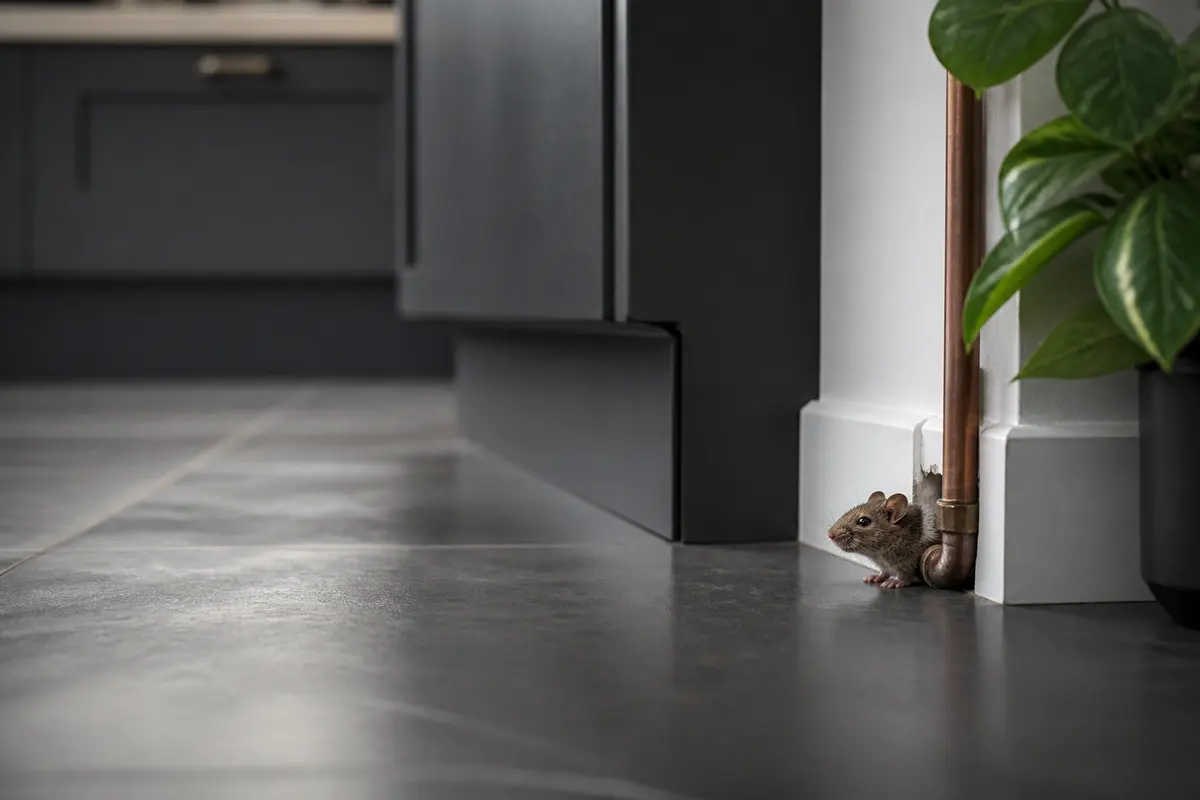
The rodent section considers safe placement, non-target risk and proofing only after tracks or damage support the diagnosis.
Read the rat and mouse control guide →Control activity along that route, protect non-target occupants and schedule proofing when it will not conceal unresolved movement.
Inspect loft and service areas or monitor access points before deciding that rats or mice are responsible.
Provide a clear record for the landlord, neighbour or drainage contact and manage only the authorised part of the route.
PUBLISHED STARTING POINTS
The final scope reflects identification, number of areas, access and any method-specific follow-up.
| Service | Price from | Basis |
|---|---|---|
| Pest inspection | From £62 | Inspection visit |
| Ant and cockroach control | From £184 | Treatment plan |
| Bed bug control | From £204 | Treatment plan |
| Heat treatment | From £504 | Specialist treatment |
PREPARATION AND FOLLOW-UP
Leave fresh signs visible, secure accessible food and write down when noises are heard and from which part of the building.
Provide keys for lofts, cupboards or outbuildings and point out pet feeding areas, plumbing defects and recent building work.
Maintain the agreed food controls, avoid moving secured devices and report only fresh evidence using dates and locations.
HOMES AND LANDLORDS
The plan balances access to hidden voids with safe day-to-day use, separating occupier tasks from structural work for an owner.
Discuss a residential visit →BUSINESSES AND MANAGERS
A nominated contact receives device locations, corrective actions and review findings so maintenance and operational duties remain accountable.
View commercial pest control →PUBLISHED COVERAGE
If your postcode lies beyond N8, consult the linked neighbouring districts for the relevant coverage details instead of relying on the nearest place name.
HORNSEY QUESTIONS
No. Sound travels through structures and may have other causes. Physical signs and a route inspection are needed before identification.
Leave suspected entrances visible. Premature sealing can hide the route or trap an animal where it creates a different problem.
The occupier can report observations and manage food, while structural proofing or drainage access normally needs the responsible owner or agent.
We need to know where pets roam and feed. The control choice and placement are then designed around that actual exposure.
Not necessarily. Entry routes and supporting conditions still need attention, and later evidence must show that activity has stopped.
Record fresh droppings, new sounds, device interference and changes near proofing points without clearing the evidence first.
PANTHER RESPONSE · HORNSEY
Tell us where the signs occur and whether a loft, garden or managed space may be connected. We will prepare the visit around the areas that can answer the question.