
Evidence defines which rooms need attention.
PEST CONTROL SERVICE · SE23
Pest Control in Forest Hill
A useful pest-control visit in Forest Hill begins with evidence rather than a guessed treatment. The team records where the sign appeared, how the space is used and which adjoining areas can be inspected before recommending work.
- Moth work distinguishes textile pests from stored-product species because their food sources and treatment areas are different.
- Sort and contain before treating for the Forest Hill moth control visit
- Monitor the correct habitat following moth control in Forest Hill
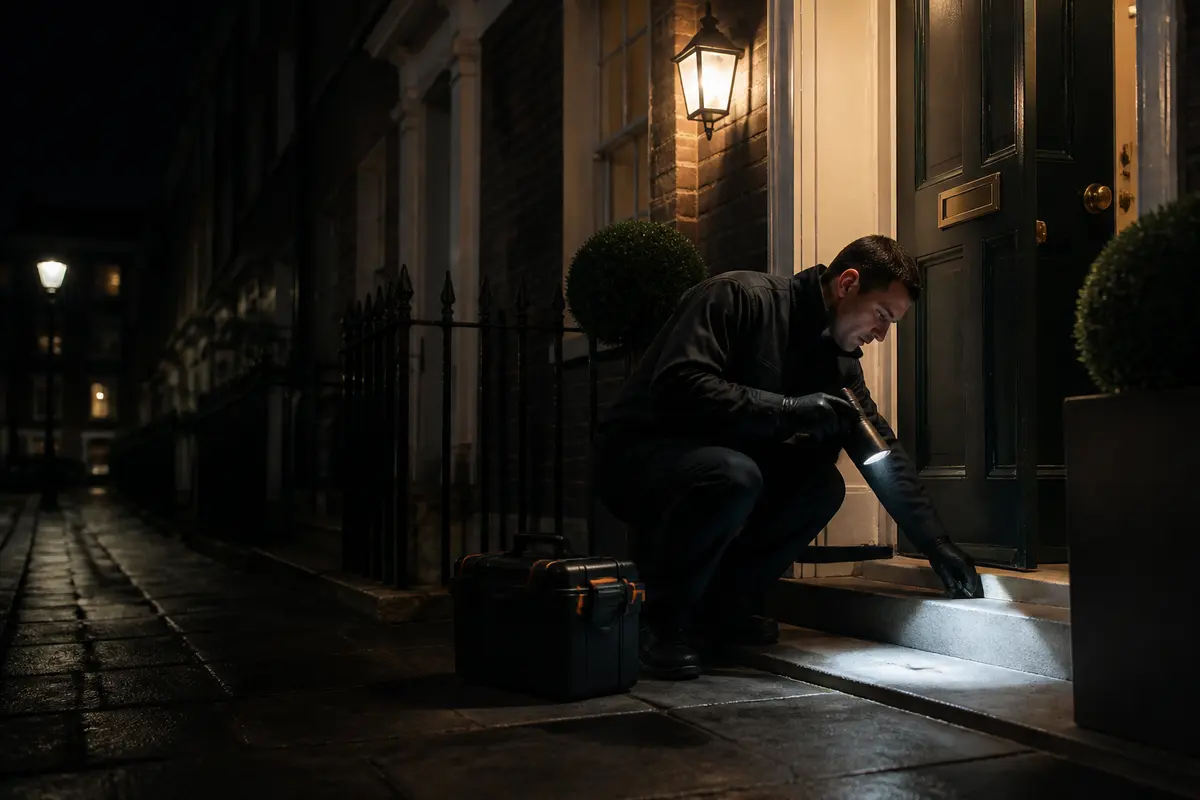
PROBLEMS WE HANDLE
Start with the sign you have found
The inspection confirms identification and the suitable next step.
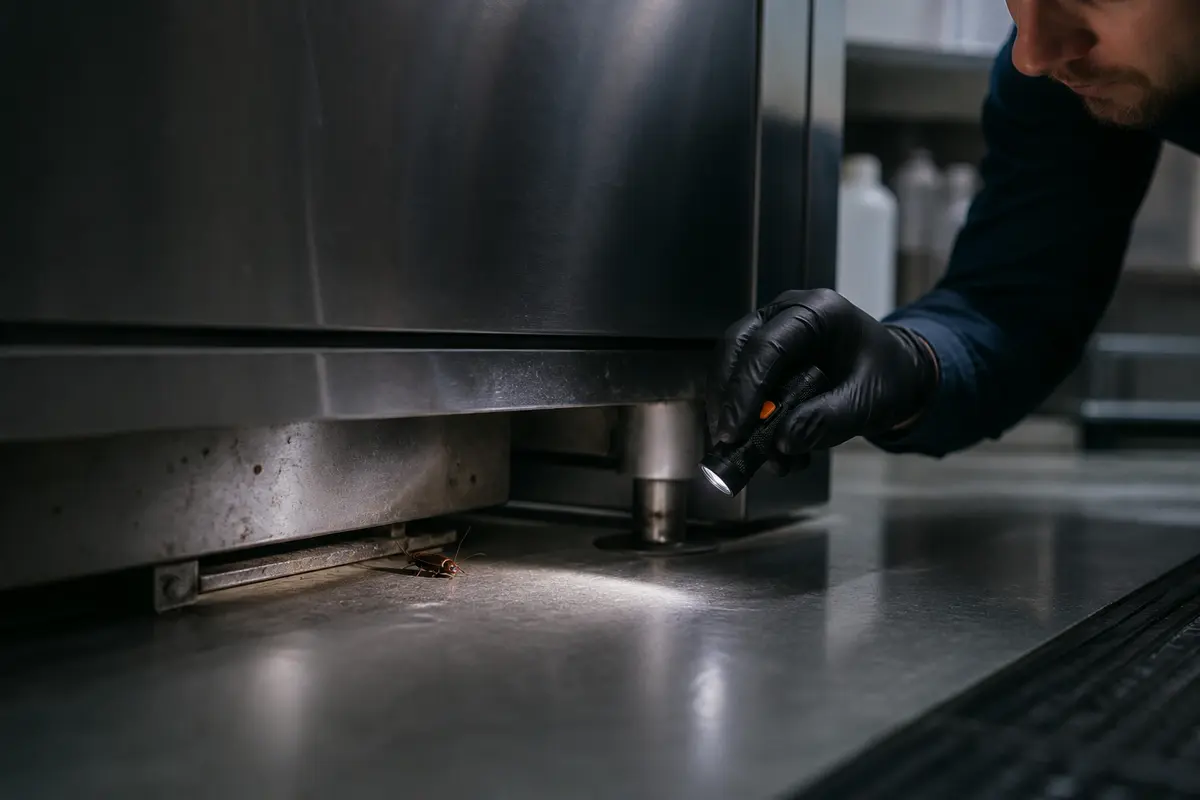
SERVICE FOCUS
Moth control in Forest Hill
Moth work distinguishes textile pests from stored-product species because their food sources and treatment areas are different. Larvae, cases and damaged material are more informative than an adult moth alone.
Once the source is identified, treatment is supported by cleaning, storage and monitoring guidance. Untouched belongings are not included automatically without evidence.
Read the moth control guide →LOCAL PROPERTY CONTEXT
Find the material sustaining activity
An SE23 bedroom, cupboard, loft store or kitchen calls for a different search. Inspection follows damaged fibres or food materials rather than treating every dark space.
In shared properties, personal belongings remain separate from communal fabric, so responsibility and permission are clarified before a wider scope is suggested.
Permission is arranged where communal access matters.
Operating constraints are recorded before treatment.
Further work depends on findings and monitoring.
ACCESS PLANNING
Expose likely source areas carefully
Allow access to affected wardrobe edges, carpets or food storage as relevant, but do not move suspect items around the property.
Retain a specimen or clear photograph if possible. Identification prevents a textile treatment being applied to a pantry pest, or vice versa.
- Sort and contain before treating: Follow the supplied instructions for laundering, vacuuming or isolating affected items, and label bags so clean and untreated contents do not mix.
- Monitor the correct habitat: Place or retain monitors where advised and check susceptible materials during the agreed review period rather than relying only on flying adults.
PUBLISHED STARTING PRICES
Selected services for Forest Hill
Final scope depends on identification, affected areas, access, method and any justified return visit.
| Service | Price from | Basis |
|---|---|---|
| Pest inspection | From £62 | Inspection visit |
| Mice and rat control | From £184 | Treatment plan |
| Bed bug control | From £204 | Treatment plan |
| Ant and cockroach control | From £184 | Treatment plan |
| Wasp nest treatment | From £89 | Accessible nest |
BEFORE AND AFTER THE VISIT
Preserve evidence and prevent avoidable delays
For Forest Hill, photographs are most helpful when they show both the sign and its position. Bagging, dismantling or deep cleaning is only useful when it matches the identified pest and method. Provide the earlier treatment history and identify who can move stock or furnishings if later requested.
- Before: confirm access and previous treatment
- During: ask what each control step is intended to do
- After: follow the written monitoring and re-entry advice
FOREST HILL QUESTIONS
Practical answers before booking
Does one moth mean clothes are infested?
No. The species and presence of larvae or damage must be established.
Can carpets and wardrobes be checked together?
Yes, if evidence suggests textile moth activity across both areas.
Should everything be washed?
Only items covered by the preparation plan; unnecessary handling can spread material.
Are pheromone traps a complete treatment?
They are useful for monitoring certain moths but do not remove larvae or the source alone.
What about food cupboards?
They require a different inspection if the moth is associated with stored products.
NEARBY COVERAGE
Pest control in nearby areas
Panther also provides inspection-led pest control across these published London coverage areas.
SE3 · Lewisham
SE4 · Lewisham
SE6 · Lewisham
PANTHER RESPONSE · FOREST HILL
Describe the sign and the spaces involved
Tell us what you noticed, where it appeared and who can provide access. We will help define the appropriate next step.