Pest Control · LONDON
How to Pest-Proof Your Kitchen: Expert Tips for UK Homes
Al JoelAl Joel is a practical writer and long-term property maintenance specialist who focuses on real-world pest control, home safety, and prevention advice. His blog posts are written in a clear, no-nonsense style, based on hands-on experience rather…

How to Pest-Proof Your Kitchen: Expert Tips for UK Homes
- Kitchens provide easy access to food, water, and shelter, making them a primary target for common UK pests such as mice, ants, and cockroaches
- Small gaps around pipes, doors, and appliances often allow pests to enter and remain undetected for long periods
- Simple preventative habits like proper storage, cleanliness, and sealing entry points can significantly reduce the risk of infestation
A kitchen is one of the most attractive areas in any home for pests, simply because it offers everything they need to survive: food, warmth, water, and hidden spaces to nest. In UK homes, common intruders such as mice, ants, cockroaches, and flies often enter through small gaps or are drawn in by everyday habits like uncovered food, crumbs, or unsealed bins.
Why Kitchens Attract the Most Common UK Household Pests
Kitchens naturally provide the ideal conditions for pests to survive and thrive. Food particles, moisture from sinks and appliances, and consistent warmth make this area far more attractive than other parts of the home. Even the smallest crumbs or spills can be enough to encourage ants, cockroaches, or rodents to investigate.
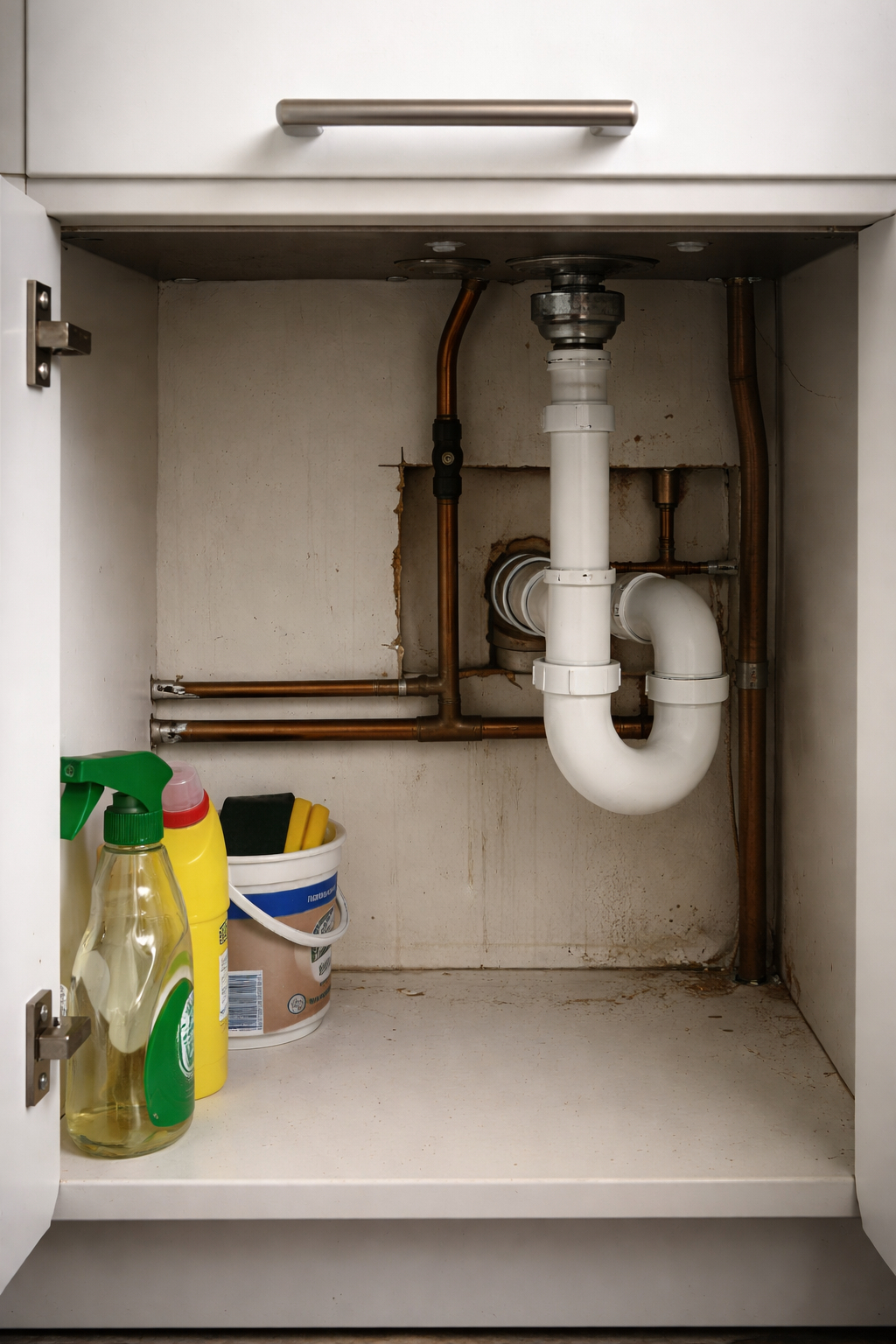
Another key factor is accessibility. Many kitchens have hidden gaps behind units, under sinks, and around pipework that go unnoticed during daily use. These small openings are often enough for pests like mice to enter and move around without being detected until the infestation is well established.
Poorly managed food storage is also a major contributor. Open packaging, unsealed containers, and food left out overnight can quickly become a reliable food source. Once pests identify a consistent supply, they tend to return and build nesting areas nearby, making the problem harder to control over time.
If you suspect early signs of pest activity in your kitchen, arranging a professional pest inspection service can help identify entry points and hidden infestations before they escalate into a larger issue.
How to Identify Early Signs of Pest Activity in Your Kitchen
Early detection is one of the most effective ways to prevent a small pest issue from turning into a full infestation. In many UK homes, pests tend to remain hidden at first, making the signs easy to miss if you are not actively looking for them.
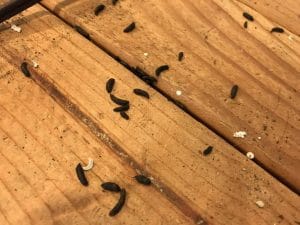
One of the most common indicators is small droppings near food storage areas, under sinks, or along skirting boards. These can vary depending on the pest, but they often appear in clusters and are found in quiet, undisturbed corners of the kitchen.
Unusual smells can also be a warning sign. A musty or oily odour may suggest rodents or cockroaches are present, even if they are not visible. Similarly, grease marks along walls or faint scratch sounds at night can indicate activity behind cabinets or inside voids.
You may also notice subtle damage to food packaging, such as gnaw marks or torn bags. In some cases, ants or flies may appear repeatedly in the same area, suggesting a nearby nest or breeding source that requires attention.
Why Ant Infestations Are a Common Early Warning Sign in UK Kitchens
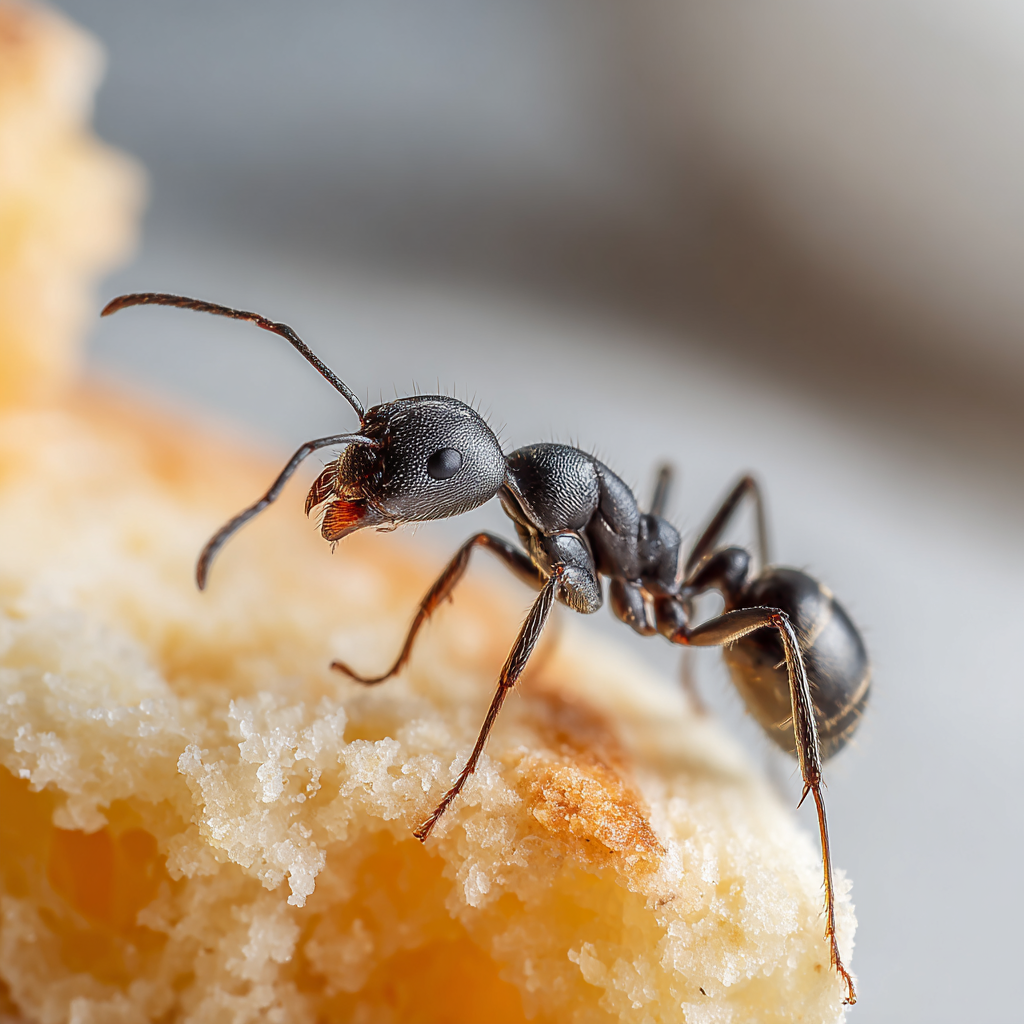
Ants are one of the most frequent pests found in UK kitchens, often appearing in search of food and water sources. Even the smallest spill or crumb can attract them, and once a trail is established, large numbers can quickly follow into the home.
These insects are particularly active during warmer months, when colonies expand and foraging activity increases. They are highly organised, which means once they identify a reliable food source in your kitchen, they will repeatedly return to the same area unless the source is removed.
Ant activity is often visible as steady trails along worktops, walls, or floor edges. These trails usually lead back to entry points such as cracks in walls, gaps around windows, or spaces beneath doors. Identifying and sealing these routes is essential to stopping recurring infestations.
If ant activity becomes persistent or difficult to control, professional ant control services may be required to locate the nest and eliminate the colony at its source, preventing further spread throughout the property.
Managing Waste and Recycling to Reduce Pest Attraction
Waste management plays a major role in preventing pests from being drawn into the kitchen. Food scraps, packaging residues, and organic waste are among the strongest attractants for common household pests such as rats, mice, ants, and flies.
Bins should always be kept tightly sealed, preferably with lids that close securely to prevent odours escaping. Even small gaps in bin lids can release enough scent to attract pests from outside the home. It is also important to choose bins that are easy to clean, as residue buildup inside can quickly become a breeding ground.
Regular emptying of kitchen bins is essential, particularly during warmer months when pest activity increases across the UK. Allowing food waste to sit for too long creates ideal conditions for flies and other insects to lay eggs and multiply rapidly.
Recycling areas should also be managed carefully. Rinsing food containers before disposal helps reduce lingering smells, while keeping recycling stored away from the kitchen where possible can further minimise the risk of attracting pests indoors.
How Kitchen Appliances Can Become Hidden Pest Hotspots
Kitchen appliances often provide warm, quiet, and undisturbed spaces that pests can easily exploit. Areas behind and underneath ovens, fridges, dishwashers, and washing machines are particularly attractive to rodents and insects because they are rarely cleaned or moved.
Food debris and grease can gradually build up around and beneath appliances, especially in busy kitchens. Even small amounts can be enough to attract pests, which then use these hidden spaces to travel between different parts of the kitchen unnoticed.
Condensation and moisture are another key factor. Appliances such as dishwashers and fridges can create damp environments that encourage pests like cockroaches and silverfish to settle and breed, particularly if ventilation is limited.
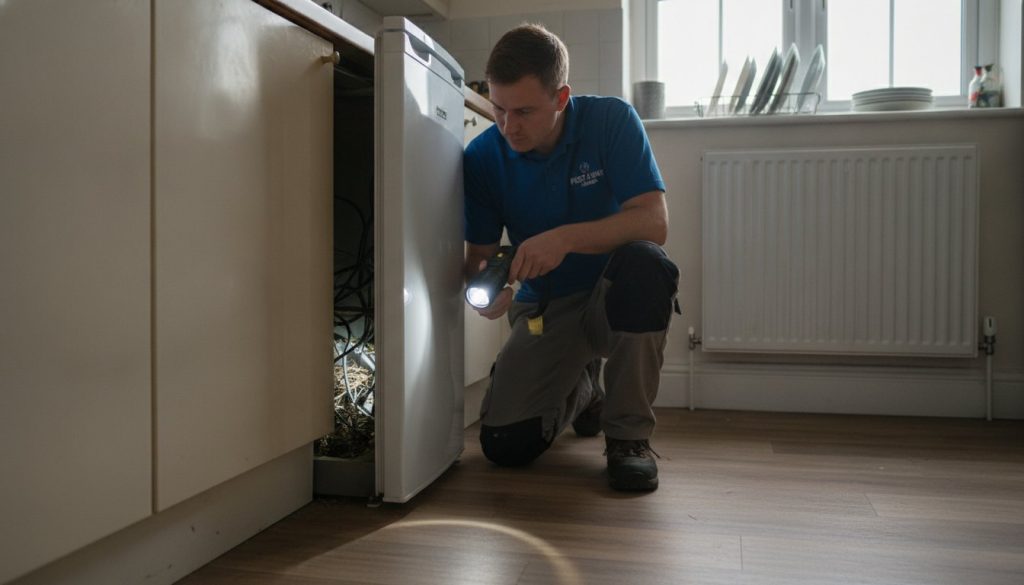
Regularly pulling appliances forward for cleaning and checking for signs such as droppings, gnaw marks, or unusual smells can help identify issues early. If repeated activity is noticed, a professional pest inspection can help locate hidden nesting areas and prevent further spread.
When to Call a Professional Pest Control Service in the UK
Some kitchen pest issues can be managed through consistent cleaning and prevention, but there are situations where professional support becomes essential. If pests continue to appear despite your efforts, it often indicates an underlying infestation that is hidden within walls, flooring, or hard-to-reach voids.
Repeated sightings of pests such as mice, cockroaches, or ants, especially during the daytime, can be a sign that the infestation has grown beyond an early stage. At this point, DIY methods are usually no longer effective on their own and may only provide temporary relief.
Health risks also increase when pests are allowed to establish themselves in kitchen environments. Contamination of food surfaces, packaging, and utensils can quickly become a concern, particularly with rodents and cockroaches, which are known to spread bacteria.
For persistent or severe infestations, contacting a specialist service is the safest option. A professional team offering pest control London solutions can identify the source of the problem and provide targeted treatment. For broader advice on prevention and protection, you can also explore expert home pest control guidance to help keep your property protected long term.
Frequently Asked Questions
1. What are the most common pests found in UK kitchens?
The most common pests include ants, mice, rats, cockroaches, flies, and occasionally moths. They are attracted to food, warmth, and moisture.
2. How do pests usually get into kitchens?
Pests often enter through small gaps around pipes, doors, vents, and appliances. Even tiny openings can be enough for mice and insects.
3. What is the fastest way to pest-proof a kitchen?
Start by sealing entry points, storing food in airtight containers, cleaning regularly, and keeping bins tightly closed and emptied frequently.
4. Can a clean kitchen still get pests?
Yes. Even clean kitchens can get pests if there are entry points or nearby infestations. Cleanliness reduces risk but does not fully prevent access.
5. Are kitchen appliances really a risk for pests?
Yes. Areas behind fridges, ovens, and dishwashers are warm and rarely cleaned, making them ideal hiding and nesting spots.
6. What smells attract pests the most?
Food odours, grease, sugary residues, and decomposing waste are the strongest attractants for most kitchen pests.
7. How do I know if I have pests in my kitchen?
Common signs include droppings, scratching noises, damaged packaging, grease marks, and repeated sightings of insects or rodents.
8. Do DIY pest control methods work in kitchens?
They can help with minor issues, but larger or recurring infestations usually require professional treatment to fully eliminate the problem.
9. How often should I check my kitchen for pests?
A quick weekly check is recommended, focusing on hidden areas such as under sinks, behind appliances, and inside cupboards.

Al Joel is a practical writer and long-term property maintenance specialist who focuses on real-world pest control, home safety, and prevention advice. His blog posts are written in a clear, no-nonsense style, based on hands-on experience rather than theory. Al’s goal is simple: to help homeowners make safe, informed decisions and know when DIY is reasonable and when professional help is the smarter option.