Pest Control · LONDON
Are Silverfish Harmful? Understanding the Risks to UK Homes and Health
Finding a silverfish darting across your bathroom floor at 2 a.m. is an unsettling experience that often leads to a single, urgent question: are...
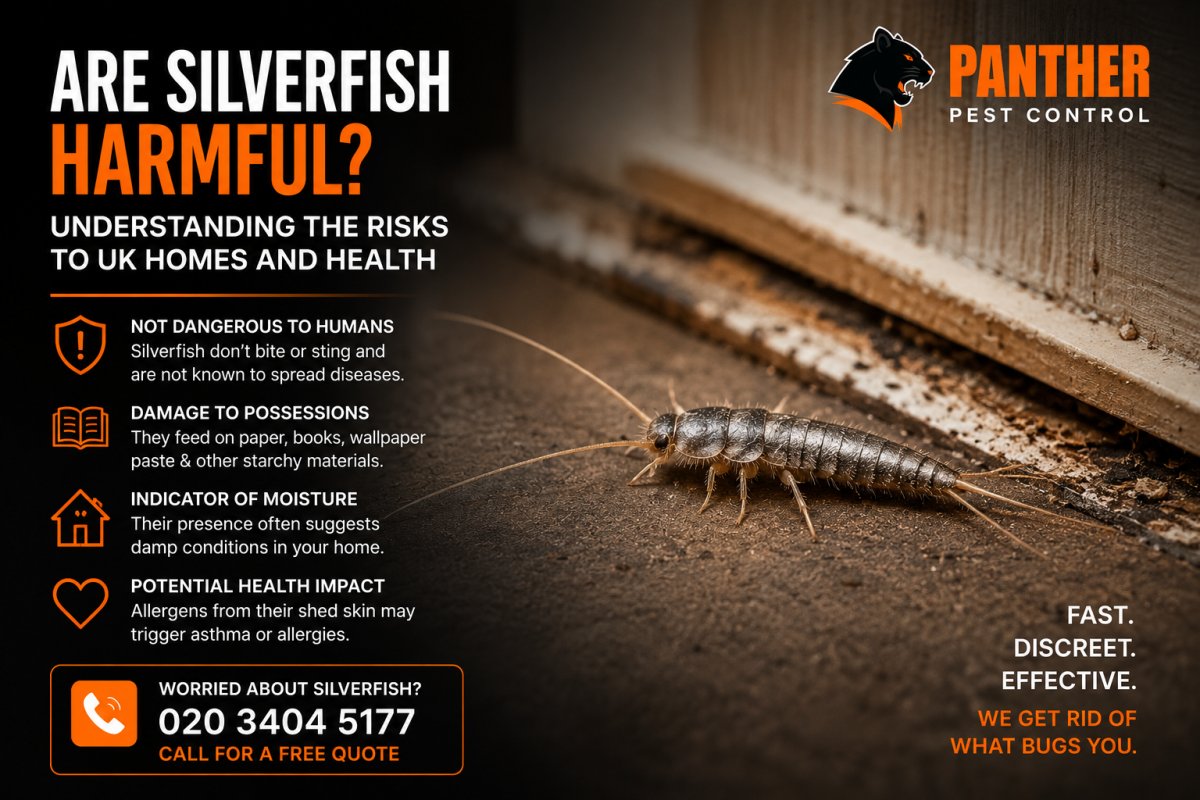
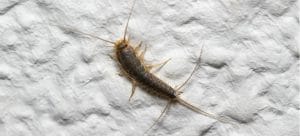
Finding a silverfish darting across your bathroom floor at 2 a.m. is an unsettling experience that often leads to a single, urgent question: are silverfish harmful UK homeowners need to worry about? With the British Pest Control Association reporting a 12% increase in callouts, you aren’t alone in this concern. We understand the anxiety that comes with spotting these pests, particularly the fear that they might bite your family or destroy expensive wallpaper and vintage book collections. We often see these insects in older London conversions where moisture levels remain high; it’s a symptom of the building’s environment rather than its cleanliness.
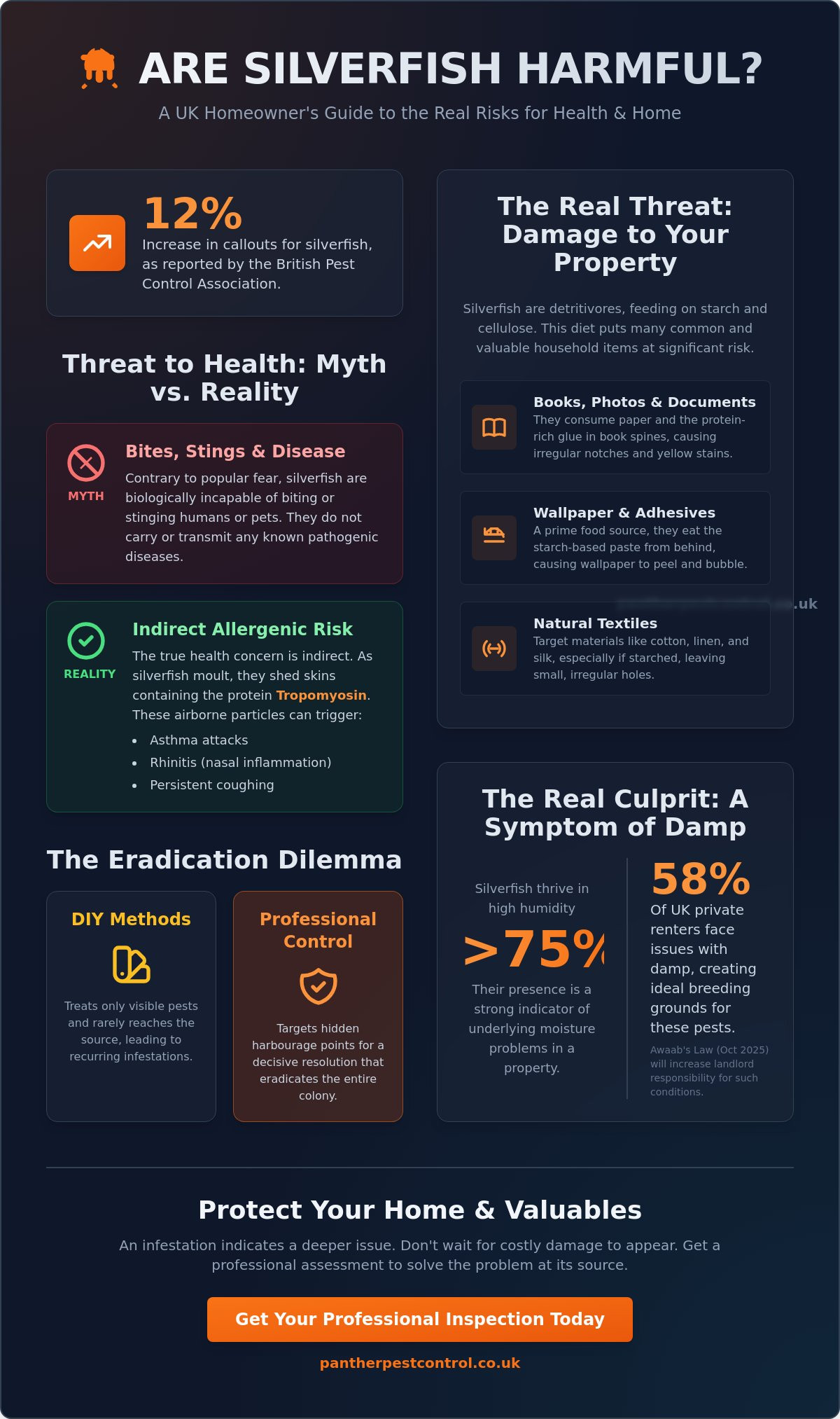
In this article, you’ll discover whether these insects pose a genuine threat to your physical health and which household items are most at risk of damage. We’ll look at why 58% of private renters are now facing damp issues that attract these pests and how the introduction of Awaab’s Law on 27 October 2025 changes landlord responsibilities. You will gain a clear understanding of what draws them into London properties whilst learning when a professional treatment is required to achieve a standard of results that DIY sprays cannot match. We provide a clinical assessment of the situation so you can restore the safety and security of your home without delay.
Key Takeaways
- Confirm that while silverfish don’t bite, their shed skins can trigger respiratory irritation and allergies in sensitive household members.
- Identify the specific household items at risk, from book bindings to the starch-based adhesives found in older Victorian wallpaper.
- Understand why the question “are silverfish harmful UK” points to structural concerns, specifically humidity levels exceeding 75%.
- Discover why professional eradication provides a decisive resolution by treating hidden harbourage points that DIY methods consistently miss.
Are Silverfish Dangerous to Human Health or Pets?
The short answer is no; silverfish don’t bite, sting, or carry the pathogenic diseases associated with rodents or cockroaches. When asking are silverfish harmful UK residents are usually concerned about physical injury or infection. In reality, these insects lack the mouthparts required to pierce human skin. The primary harm they cause is actually psychological. We often visit clients in London who find the sight of these pests scuttling across a dark bathroom floor at 3 a.m. deeply distressing. This nocturnal activity creates a sense of unease that can make a home feel ‘unclean’ or neglected, even when it’s well-maintained.
To better understand why these insects are considered a nuisance, watch this helpful video:
Bites, Stings, and Venom
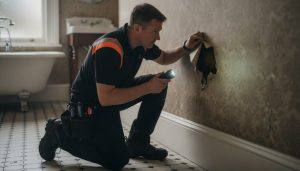
Silverfish are biologically incapable of biting you. Their mandibles are designed for scraping surfaces, not for drawing blood. This distinguishes them from other damp-loving pests like centipedes or spiders, which may bite if disturbed. If you wake up with skin irritations, it’s highly unlikely that silverfish are the culprit. We often find that clients mistake the symptoms of dust mite allergies or mould exposure for insect bites. A professional pest inspection can clarify whether you’re dealing with a biting insect or an environmental reaction to damp conditions.
Allergies and Indoor Air Quality
The most significant health risk is indirect. As a Silverfish grows, it sheds its exoskeleton. These discarded scales and skins contain a protein called tropomyosin. Over time, these microscopic fragments accumulate behind skirting boards and under floorboards, particularly in poorly ventilated London basement flats. When these particles become airborne, they can trigger asthma attacks, rhinitis, or persistent coughing in sensitive individuals. Routine cleaning often fails to reach these hidden harbourage points; the allergens remain long after you’ve swatted the few insects you’ve seen on the surface.
What Silverfish Can Destroy: Risks to Your Property
While they don’t pose a direct physical threat to you or your pets, the answer to whether are silverfish harmful UK homeowners should worry about becomes clear when you inspect your belongings. These insects are detritivores. They survive by consuming polysaccharides, specifically starch and cellulose found in common household items. In London’s Victorian and Edwardian properties, the risk is heightened. These buildings often contain original horsehair plaster and wood-based materials that provide a constant food source for a growing colony hidden behind the walls.
The damage caused by silverfish is rarely sudden; it’s cumulative and often expensive to repair. They use a distinctive scraping motion to feed, which leaves behind “shaved” patches or irregular, jagged holes. According to the National Trust for Scotland’s guide to silverfish, these pests are a significant threat to heritage collections because they target the adhesives, glues, and starches used in historical bookbinding and wallpapering. If you’ve noticed small yellowish stains on your documents, the infestation is likely already established.
Damage to Books and Paper
Home libraries and storage boxes in damp lofts are prime targets. Silverfish are attracted to the high-starch content of modern paper and the protein-rich glues used in book spines. They can ruin valuable collections or sentimental family photos whilst remaining undetected for months. You’ll typically find irregular notches along the edges of pages or thin spots where the surface has been scraped away. Because they prefer dark, undisturbed areas, your most precious documents are often the ones at highest risk.
Wallpaper and Textiles
Traditional wallpaper paste is a favourite food source in older UK homes. We often see cases where wallpaper begins to peel or bubble because silverfish have systematically eaten the adhesive from behind the paper. They also target natural fibres such as silk, linen, and cotton, particularly if the fabric has been treated with starch. The cost of re-papering a room or replacing high-end curtains far exceeds the price of professional silverfish control. If you’ve spotted irregular holes in your textiles, it’s best to request a professional survey before the damage spreads to more expensive furnishings.
Silverfish as a Symptom: The Damp and Mould Connection
Silverfish are rarely the primary problem; they are a biological indicator of an environmental failure. These insects require relative humidity levels above 75% to survive and reproduce effectively. If you see them darting across your floor, it’s a reliable sign that your property is harbouring hidden moisture, leaking pipes, or rising damp. In London’s high-density housing, these conditions are becoming increasingly common as 5% of English homes now report damp problems, the highest rate in five years.
The High-Humidity Threshold
We often see infestations in London’s converted Victorian flats where original ventilation is inadequate for modern living. Condensation builds up in bathrooms and kitchens, creating a paradise for these pests. A common issue is a slow, silent leak behind a washing machine or dishwasher that goes unnoticed until the silverfish population explodes. In modern apartment blocks, poor airflow can cause humidity to settle in utility cupboards, sustaining a colony for years without detection.
Mould and Fungal Growth
There is a direct symbiotic relationship between silverfish and mould. These insects feed on certain fungal spores, making them a “secondary pest” that follows damp issues. While people ask are silverfish harmful UK homeowners should be more concerned about the respiratory risks of the mould that attracts them. Data from October 2025 shows that 28% of people in the UK now live in homes with damp or mould issues. A professional pest inspection often reveals underlying structural damp that requires urgent attention to prevent rot.
Ignoring the presence of these insects can lead to much more expensive structural repairs down the line. If you have spotted silverfish in your bathroom or basement, you should book a professional survey to identify the moisture source and resolve the infestation before it spreads.
Professional Silverfish Eradication in London
Seeing a single silverfish darting along a skirting board is rarely an isolated event. When asking are silverfish harmful UK homeowners often find the real harm lies in the sheer persistence of the colony. DIY sprays might kill the one insect you see, but they won’t reach the hundreds nesting in your wall cavities. We often find that amateur attempts to resolve the issue only scatter the population, driving them deeper into the structure of the building.
Why DIY Methods Fail
Most supermarket repellents, such as cedar oil or cinnamon, are ineffective in high-moisture environments. They simply mask the problem whilst the insects continue to breed in the dark. We call this the “iceberg effect.” For every silverfish you spot in your bathroom, there are likely dozens more hidden under floorboards or behind tiles. In London’s terraced houses, these pests travel easily between properties through shared service voids, making targeted, professional intervention the only way to achieve a decisive result.
The Panther Pest Control Process
Our approach is clinical and focused on long-term resolution. We don’t rely on temporary fixes; we address the environmental factors that allow the colony to thrive. The process is divided into three distinct stages:
- Step 1: A thorough site survey to locate primary breeding sites and identify the specific moisture sources, such as slow leaks or condensation traps.
- Step 2: Targeted application of professional-grade residual insecticides or heat treatment. This reaches deep harbourage points that off-the-shelf products cannot penetrate.
- Step 3: Bespoke advice on proofing and humidity management. We provide practical guidance on dehumidification to ensure your home remains an inhospitable environment for future pests.
Managing an infestation in a complex London property requires technical expertise and the right equipment. If you are struggling with a persistent infestation, contact our London team today for a rapid response. We provide the expert intervention needed to restore the safety and security of your home, ensuring the problem is handled correctly the first time.
Securing Your Home Against Damp and Pests
Silverfish are more than an unsettling sight; they are a critical warning sign for your property’s condition. While they don’t bite or transmit disease, their presence confirms that your home’s humidity levels are high enough to support mould growth and structural decay. They also pose a direct threat to your belongings, targeting the starches in your library and the adhesives behind your wallpaper. Understanding whether are silverfish harmful UK residents should be concerned about comes down to protecting your property’s long-term health.
We provide a clinical, professional resolution that goes beyond the surface. Our certified technicians offer local London expertise and a 24/7 emergency response across the M25. We use eco-friendly and safe eradication methods that protect your family whilst decisively removing the infestation from hidden harbourage points. Don’t let a minor moisture issue turn into a major structural repair. Request a Professional Silverfish Inspection Today to restore the safety and security of your domestic environment. You can move from a state of anxiety to a state of action with expert support.
Frequently Asked Questions
Do silverfish bite humans or pets in the UK?
No, silverfish don’t bite humans or pets. Their mandibles are designed for scraping surfaces rather than piercing skin; they are physically incapable of drawing blood. When asking are silverfish harmful UK residents should focus on the indirect health risks, such as the respiratory irritation caused by their shed scales, rather than fears of physical injury. They are non-venomous and entirely harmless to your family and domestic animals.
Are silverfish a sign of a dirty or unhygienic house?
Silverfish are not an indicator of a dirty home. They are attracted to moisture and starch-based food sources, not filth or decaying organic matter. We often find these insects in spotless London properties where a hidden pipe leak or poor ventilation has pushed humidity levels above 75%. Their presence is a reflection of the building’s environmental conditions rather than the standard of your housekeeping or hygiene.
Can silverfish crawl into your ears while you sleep?
No, silverfish don’t crawl into ears. This is a persistent urban myth with no basis in biological fact. These insects are extremely shy and avoid human contact; they will scuttle away as soon as they sense movement or light. They prefer dark, damp, and undisturbed crevices behind skirting boards or under floorboards. They have no interest in human bodies and lack the instinct to seek out warmth from a person.
How much damage can silverfish actually do to my clothes?
Silverfish can cause significant damage to natural fibres like silk, linen, and cotton, especially if the items are starched. They feed on the starch and cellulose within the fabric, leaving behind irregular, jagged holes or thin “shaved” patches. Unlike moths, which often leave clean-cut holes, silverfish damage is frequently accompanied by faint yellowish staining. Storing valuable garments in airtight containers is a necessary precaution in homes with high humidity.
What is the fastest way to get rid of silverfish permanently?
The fastest way to achieve a permanent resolution is a professional targeted treatment combined with mechanical dehumidification. DIY sprays only address the insects you see on the surface, leaving the core colony intact behind wall cavities. A technician can apply professional-grade residuals to deep harbourage points whilst you address the underlying damp. Eliminating the moisture source is the only way to ensure the infestation doesn’t return once the treatment ends.
Why do I have silverfish in my new-build London flat?
New-build flats in London often experience silverfish because of the “drying out” process. Materials like concrete, plaster, and timber contain thousands of litres of water that evaporate over the first few years of a building’s life. This creates high internal humidity that attracts moisture-seeking pests. If your flat is tightly sealed for energy efficiency, this moisture becomes trapped, turning a modern apartment into an ideal breeding ground for silverfish until the building fully settles.

Al Joel is a practical writer and long-term property maintenance specialist focused on real-world pest control, home safety and prevention advice. His guides translate common warning signs into clear next steps for homeowners, tenants, landlords and property managers.
His approach begins with correct identification. A sighting in one room may originate from a neighbouring flat, service riser, drainage, roof space, delivery or communal waste area. Al explains how to preserve useful evidence, reduce food and water sources, avoid spreading activity and choose proportionate treatment.
What readers can expect
- Clear identification clues and practical inspection steps
- Safe preparation, cleaning and aftercare guidance
- Prevention advice for homes, flats and commercial premises
- Honest guidance on when DIY is reasonable and when professional help is the smarter option
When professional help makes sense
Repeated sightings, activity in several rooms, uncertain identification, vulnerable occupants or signs involving food, electrics and shared building routes deserve a professional inspection. A lasting solution normally combines targeted treatment with proofing, hygiene and follow-up monitoring.
Explore the Pest Library, learn how treatment works, or request property-specific advice.