How Mice Infestations Increase Hantavirus Risks and What You Can Do To Protect Your Home
Hantavirus is a serious respiratory disease primarily transmitted by rodents, making a mouse infestation more than just a nuisance—it’s a health priority. Here is a quick breakdown of how these pests elevate your risk and how to secure your living space.
-
Silent Transmission: Mice shed hantavirus through their saliva, urine, and droppings; humans typically become infected by breathing in contaminated dust stirred up during cleaning.
-
Rapid Colonization: Because mice breed quickly and seek shelter indoors during cooler months, a small entry point can lead to a widespread environmental contamination in a matter of weeks.
-
The “Aerosol” Factor: Disturbing dried rodent waste—whether by sweeping, vacuuming, or moving stored boxes—is the primary way the virus becomes airborne and easily inhalable.
-
Structural Vulnerability: Mice can squeeze through gaps as small as a pencil (about 6 mm), meaning standard vents, pipe entries, and door sweeps are often the weakest links in your home’s defense.
-
Proactive Prevention: Reducing risk requires a dual approach: sealing entry points with chew-proof materials like steel wool and using “wet” cleaning methods (disinfectants rather than dry sweeping) to handle existing messes safely.
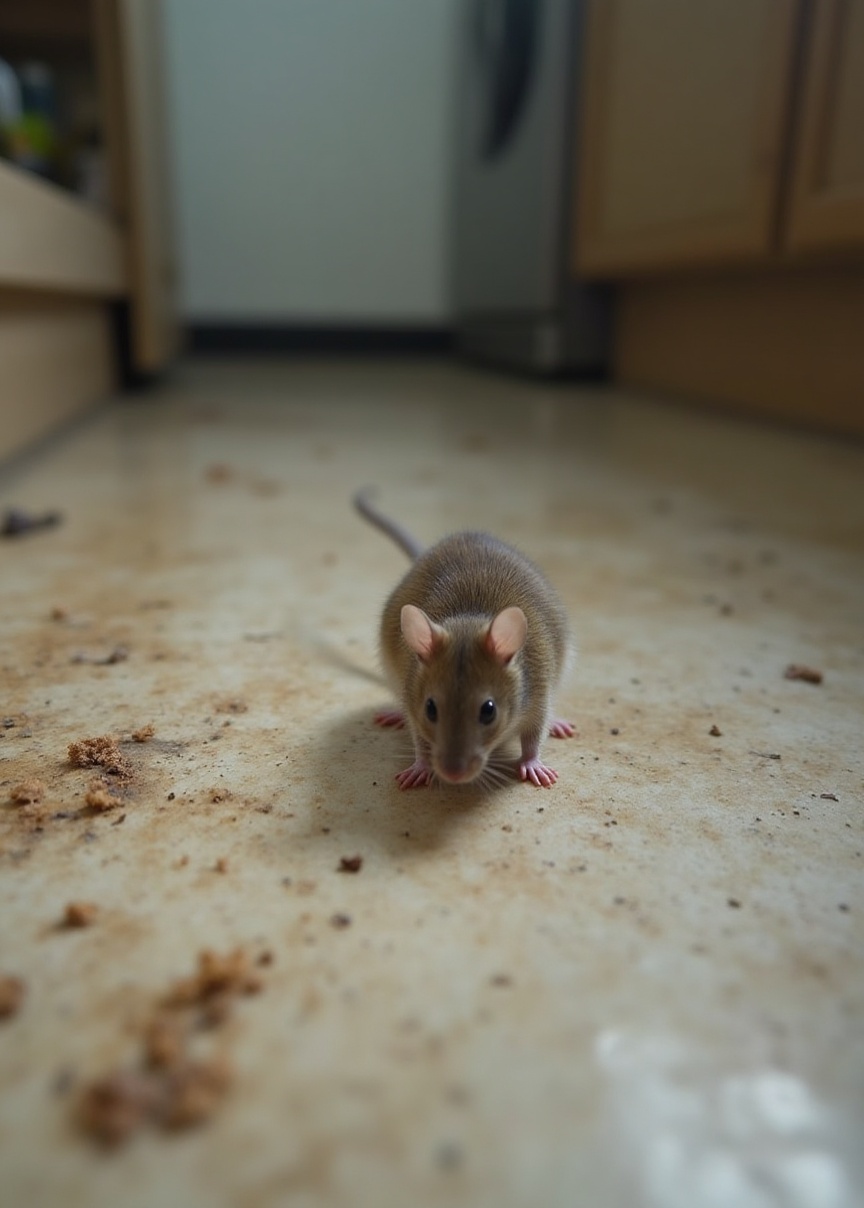
Mice infestations are more than just a nuisance problem in residential and commercial properties. They can quickly escalate into a serious health hazard, especially when rodents begin to nest, contaminate food sources, and leave behind droppings and urine in hidden areas.
One of the most concerning risks linked to mice activity is hantavirus exposure. This virus is primarily associated with rodents and can be transmitted to humans through contact with contaminated materials, particularly in enclosed or poorly ventilated spaces. Even small infestations can create conditions where the virus becomes a potential threat if not properly managed.
The challenge with mice infestations is that they often go unnoticed in the early stages. By the time visible signs appear, contamination may already be present in lofts, wall cavities, kitchens, or storage areas. This makes early detection and professional inspection essential for reducing both health risks and property damage.
Understanding how mice infestations develop and the risks they carry is the first step in protecting your home or business from long term contamination and serious health concerns.
The Science Behind Hantavirus Transmission from Rodents to Humans
The transmission of hantavirus is closely linked to environments where rodent activity is present, particularly in enclosed or poorly ventilated spaces. The virus is primarily carried by infected rodents and becomes a risk to humans when contaminated materials are disturbed.
One of the most common exposure routes is through rodent-borne infection, where microscopic particles from dried droppings, urine, or nesting materials become airborne. When these particles are inhaled, they can enter the respiratory system and lead to serious illness.
Unlike some other pests, mice do not need to bite or directly contact humans for transmission to occur. Simple actions such as sweeping an infested loft or vacuuming contaminated areas can release airborne rodent particles into the environment, increasing the risk of infection.
In pest control assessments, professionals often classify affected areas as rodent contamination zones, especially where nesting activity or long-term infestation is present. These zones are typically found in loft insulation, behind kitchen units, or within wall cavities where mice remain undisturbed.
Environmental conditions also play a major role. Warm, dry, and enclosed spaces allow contaminated dust to persist longer, increasing the likelihood of exposure during cleaning or renovation work. This is why untreated infestations are considered a serious pest-borne disease risk in both residential and commercial properties.
Understanding how transmission works is essential for reducing exposure and taking appropriate control measures before contamination spreads further.
How Hantavirus Spreads Through Mice Droppings, Urine, and Contaminated Dust
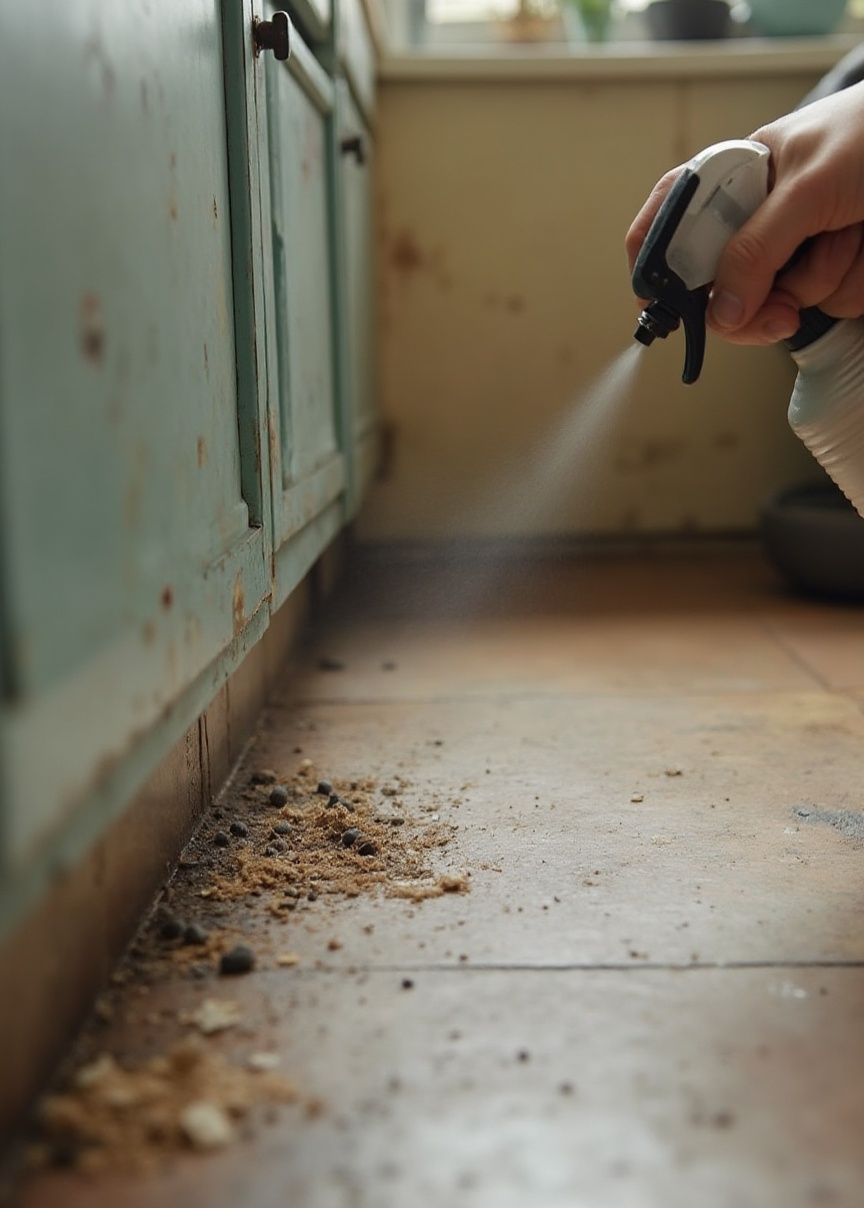
The spread of hantavirus in properties is closely linked to environments where rodent contamination has been left untreated. Mice continuously leave behind droppings, urine, and nesting debris, all of which can carry harmful pathogens that remain active for extended periods in indoor spaces.
One of the most common transmission pathways is through dried mouse droppings disease risk particles. When droppings age, they break down into fine dust. If this dust is disturbed during cleaning, renovation, or even regular movement in the area, it can become airborne and lead to inhalation exposure.
Another significant source is rodent urine health hazard contamination. Urine can soak into insulation, wood, and soft furnishings. Over time, it dries but still leaves behind infectious particles that can be reactivated when disturbed. This is particularly common in lofts and storage areas where mice remain undetected.
Contaminated nesting materials also contribute to indoor rodent biohazards. Mice build nests using shredded paper, fabric, and insulation, all of which can absorb and retain infectious material. When nests are broken up or relocated, they release a high concentration of contaminated dust into the surrounding environment.
A major risk factor is the disturbance of these materials. Activities such as sweeping, vacuuming without proper filtration, or removing insulation can trigger the release of airborne rodent particles, increasing the chance of exposure without direct contact with the rodents themselves.
Because contamination often remains hidden behind walls, under floors, or in ceiling voids, infestations can persist unnoticed for long periods. This makes professional rodent contamination assessment essential in identifying affected zones and preventing further spread within the property.
Understanding these transmission routes is critical for controlling risk and ensuring that cleanup and prevention measures are carried out safely and effectively.
Hantavirus Symptoms and Serious Health Complications You Should Know
Identifying a mouse infestation early detection is critical in reducing both structural damage and potential health risks linked to rodent activity. Mice are nocturnal and highly discreet, which means infestations often develop for weeks or even months before being noticed.
One of the most common indicators is the presence of small dark droppings, usually found along skirting boards, inside cupboards, or near food storage areas. These signs of mouse droppings disease risk contamination often appear in high-activity zones where mice regularly travel.
Unusual noises are another key warning sign. Scratching, scurrying, or light movement sounds in walls, ceilings, or loft spaces often indicate active nesting. These behaviours are typically associated with rodent nesting activity, especially during nighttime when mice are most active.
Physical damage is also a strong indicator. Chewed packaging, gnaw marks on wood, and damaged insulation suggest ongoing feeding and nesting behaviour. This type of activity contributes to a growing rodent infestation health hazard, particularly when food supplies or electrical wiring are affected.
A persistent musty or ammonia-like smell can also signal an infestation. This odour is often caused by accumulated urine in hidden areas and is linked to rodent urine health hazard contamination, especially in enclosed or poorly ventilated spaces.
In some cases, homeowners may also notice shredded materials such as paper, fabric, or insulation. These are commonly used by mice to build nests in hidden locations like lofts, wall cavities, or behind kitchen appliances.
Recognising these early signs is essential, as even a small infestation can escalate quickly and increase the risk of contamination and property damage if left untreated.
Where Mice Commonly Hide and Spread Contamination in Buildings
Mice are highly adaptable and tend to choose areas that provide warmth, shelter, and easy access to food sources. Understanding these locations is essential for identifying potential rodent contamination zones before infestations become severe.
One of the most common hiding places is the loft or attic space. These areas are rarely disturbed, making them ideal for rodent nesting activity. Insulation materials provide perfect conditions for nesting, while stored items offer additional cover. Over time, droppings and urine can accumulate, creating a significant rodent urine health hazard in enclosed spaces.
Kitchens are another high-risk area, especially behind appliances such as cookers, fridges, and dishwashers. Mice are attracted to food residues and crumbs, which makes these areas a primary source of mouse droppings disease risk contamination. Even small gaps behind units can allow easy access for nesting and movement.
Wall cavities and floor voids also provide hidden travel routes for mice. These spaces allow rodents to move through a property undetected, spreading contamination across multiple rooms. This contributes to widespread indoor rodent biohazards, especially in older buildings with structural gaps.
Basements and storage rooms are also commonly affected due to low disturbance and limited light. These areas often contain cardboard boxes, fabrics, or stored food items, all of which support rodent infestation health hazard conditions when left unchecked.
External entry points such as cracks in walls, broken vents, and gaps around pipework are often the starting point of infestations. Once inside, mice quickly establish nesting sites and expand into surrounding areas, increasing the risk of contamination spreading throughout the property.
Because mice rarely stay in one location, infestations often extend across multiple hidden zones, making professional inspection essential for identifying the full extent of activity and contamination.
Why Delaying Rodent Control Increases Health and Structural Risks
How to Prevent Mice Infestations and Reduce Hantavirus Risks
Preventing a mouse infestation is the most effective way to reduce exposure to hantavirus and other rodent-related health threats. Once rodents establish themselves inside a property, they can quickly create rodent contamination zones that are difficult to eliminate without professional intervention.
A key prevention step is sealing all possible entry points. Mice can squeeze through extremely small gaps around pipes, vents, doors, and brickwork. Blocking these access routes helps reduce the risk of mouse infestation entry points being exploited, particularly in older buildings where structural gaps are common.
Maintaining strict food hygiene is also essential. All food should be stored in sealed containers, and crumbs or spills should be cleaned promptly. Open food sources are one of the main attractants for rodents and contribute to ongoing rodent infestation health hazard conditions in kitchens and storage areas.
Proper waste management plays a major role in prevention. Bin areas should be kept clean, tightly sealed, and regularly emptied. Overflowing or unsecured waste can quickly attract mice and increase the likelihood of rodent-borne infection symptoms risk in indoor environments.
Regular cleaning of less accessible areas such as lofts, basements, and storage rooms helps reduce nesting opportunities. These spaces are often where rodent nesting activity begins unnoticed, allowing infestations to grow undetected over time.
Property owners should also consider routine inspections, especially in high-risk buildings. Early identification of droppings, gnaw marks, or unusual smells allows for faster response and limits exposure to airborne rodent particles that may be released when contamination is disturbed.
In commercial environments, structured pest management plans are particularly important. Regular monitoring reduces the chance of contamination spreading into customer or staff areas and supports long-term compliance with health and safety standards.
Consistent prevention measures significantly reduce the likelihood of infestation and help maintain a safer, cleaner indoor environment with lower disease risk.
Protecting Your Property from Hantavirus: Why Expert Mice Inspections Matter
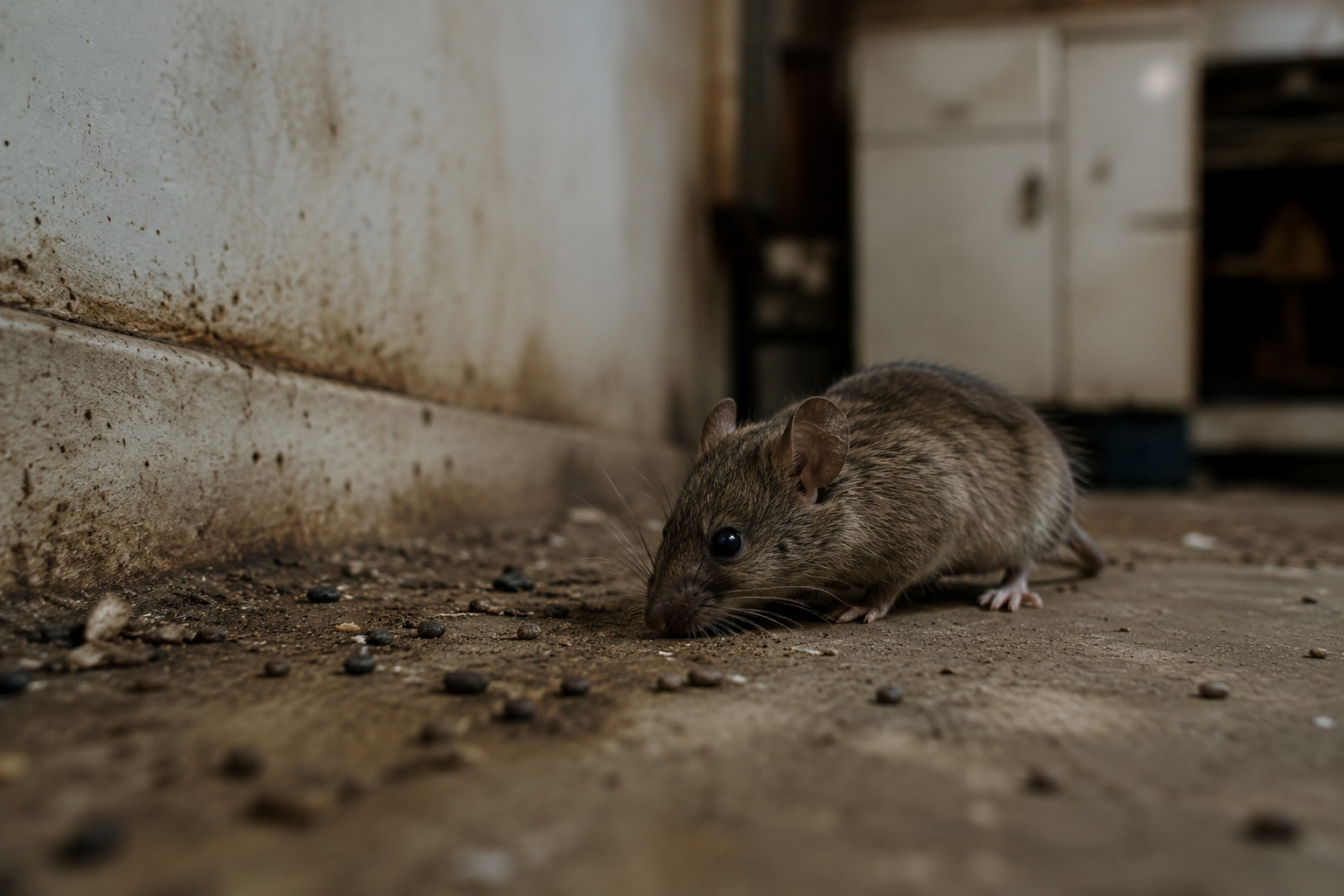
Protecting a property from hantavirus risk requires more than basic cleaning or DIY pest control. Once mice establish themselves indoors, they often leave behind hidden contamination that is not visible on the surface. This is why professional inspection plays a crucial role in identifying and managing rodent contamination zones effectively.
Expert pest technicians are trained to detect early and concealed signs of activity, including droppings, nesting materials, and subtle entry points that are often missed during general inspections. These areas can harbour mouse droppings disease risk contamination, particularly in loft insulation, wall voids, and behind fitted units.
A professional inspection also involves assessing the level of indoor rodent biohazards within a property. This includes identifying areas where urine, droppings, and nesting debris may have accumulated over time, even in spaces that appear clean at first glance. This detailed assessment is essential for understanding the full extent of exposure risk.
Another important benefit of expert inspections is accurate identification of mouse infestation entry points. Pinpointing how rodents are entering the building allows for targeted proofing work, which helps prevent future infestations and reduces long-term contamination risks.
In addition, professional pest control providers can advise on safe remediation procedures. Disturbing contaminated areas without proper protective measures can release airborne rodent particles, increasing the risk of inhalation exposure. Expert guidance ensures that cleaning and treatment are carried out safely and effectively.
Regular inspections are particularly important in high-risk properties such as older homes, food businesses, and storage facilities. Early detection significantly reduces the likelihood of widespread infestation and helps maintain safer indoor environments.
Ultimately, expert mice inspections provide the most reliable way to reduce both health risks and structural damage, ensuring that any rodent problem is identified and addressed before it becomes a serious hazard.

Al Joel is a practical writer and long-term property maintenance specialist who focuses on real-world pest control, home safety, and prevention advice. His blog posts are written in a clear, no-nonsense style, based on hands-on experience rather than theory. Al’s goal is simple: to help homeowners make safe, informed decisions and know when DIY is reasonable and when professional help is the smarter option.