Rat Control in London for Homes and Businesses

Hearing scratching in the walls or finding droppings in the kitchen is a common sign of a rat problem in London properties. We provide rat control for flats, houses and commercial premises, dealing with infestations at the source and helping prevent them from returning.

In many London buildings, rats enter through small gaps around pipes, floor voids or shared walls. Our service focuses on locating these entry points, treating the infestation using controlled methods, and advising on practical steps to reduce the risk going forward.

  • ✔ Fast response across London and the M25
  • ✔ Inspection, treatment and prevention in one visit where possible
  • ✔ Safe use of bait stations and controlled treatment methods
  • ✔ Suitable for tenants, landlords and businesses


 Contact us to arrange a rat inspection and treatment in your area.

How Our Rat Control Service Works in Practice

In many London flats and terraced houses, rat problems start unnoticed, often through small gaps around pipework, broken vents or shared walls between properties. By the time scratching noises or droppings appear, the infestation is usually already active and needs a structured approach rather than a quick fix.

We begin with a detailed inspection of the property, checking typical entry points such as kitchen units, under-sink pipework, loft spaces and external access areas. In older buildings, we often find gaps behind cupboards or along floor edges where rodents can move between properties without being seen.

Once the source is identified, we apply targeted treatment using secure bait stations placed in controlled locations. These are positioned where activity is highest but kept safe from pets and occupants. In some cases, especially in busy buildings or commercial units, multiple visits may be needed to fully resolve the issue.

Most standard rat control jobs take between 30 minutes and 1 hour for the initial visit, with follow-up checks arranged depending on the level of activity. Access can sometimes affect timing, particularly in flats where entry points are hidden or shared with neighbouring properties.

After treatment, we advise on practical prevention steps such as sealing entry points, improving waste storage and reducing attractants. While treatment removes the active infestation, long-term control depends on limiting how rats access the property in the first place.

In some situations, especially where structural gaps are significant, additional proofing work may be required alongside pest control to achieve a lasting result.

Signs of a Rat Infestation in London Properties

Rats are rarely seen in the open, especially in busy London environments. In most cases, the first signs are indirect and easy to overlook, particularly in flats or shared buildings where activity may be happening behind walls or under floors.

One of the most common indicators is noise. Scratching or movement sounds in the evening or early morning often point to rats using wall cavities or ceiling voids. This is frequently reported in terraced houses and older conversions where spaces between properties are not fully sealed.

Droppings are another clear sign. These are usually found in kitchen cupboards, under sinks or along skirting boards. In many rental properties, this is the first visible evidence tenants notice when the issue has already developed.

You may also come across gnaw marks on food packaging, pipes or wooden surfaces. Rats constantly chew to keep their teeth down, and this can sometimes lead to damage in hidden areas such as behind appliances or inside storage units.

A strong, unpleasant smell can also build up over time, especially in enclosed spaces. This is often more noticeable in kitchens or utility areas where activity is concentrated.

In some cases, rats are seen outside the property, particularly around bins or drains. While this may seem like an external issue, it often indicates a nearby nesting point and a higher risk of entry into the building.

In many London properties, these signs appear gradually. Early detection makes the problem easier to manage, while delays usually lead to more extensive treatment and follow-up visits.

What’s Included in a Typical Rat Control Visit

A standard rat control visit in London is structured to deal with the problem methodically rather than relying on a single treatment. Each stage is focused on understanding how the infestation started and what is needed to bring it under control.

The visit usually begins with a property check, looking at the areas where activity is most likely. This includes kitchens, utility spaces, under-sink pipework, and any visible gaps around walls or floors. In flats, shared walls and service ducts are often a key factor, especially where access points are not immediately visible.

Once the activity is confirmed, treatment is applied using secure bait stations placed in targeted locations. These are typically set along walls, behind appliances or near identified entry points, where rats naturally move. The aim is to control the infestation without unnecessary disruption to the property.

In some situations, particularly in larger homes or commercial spaces, more than one treatment point may be required. This depends on the layout and how widely the rats have spread within the building.

Follow-up visits are often part of the process. These allow the technician to check activity levels, adjust bait placements if needed, and confirm that the treatment is working as expected. In many London properties, especially older buildings, one visit is not always enough for a complete resolution.

You’ll also receive practical guidance on reducing the risk of the problem returning. This may include sealing small gaps, managing food waste more carefully, and addressing any structural issues that allow rodents to enter.

It’s important to understand that while treatment removes active rats, long-term results depend on limiting access to the property. In cases where entry points are significant, additional proofing work may be needed to fully resolve the issue.

Facts About Rats in London Properties

Rats are highly adaptable animals, which is why they are so common in London’s urban environment. Understanding how they behave helps explain why infestations happen and what is needed to control them effectively.

Rats can squeeze through very small gaps. In many cases, an opening the size of a £1 coin is enough for a rat to enter a property. This is why entry points are often found around pipework, vents or damaged brickwork rather than obvious holes.

They are excellent climbers and swimmers. In London, it’s common for rats to move through drainage systems, climb walls, and access upper floors in blocks of flats. This is why infestations are not limited to ground-level properties.

Rats tend to follow the same paths repeatedly. You’ll often find activity along walls, behind appliances or in hidden areas where they feel protected. This behaviour is why bait stations and treatments are placed in specific zones rather than randomly.

They are mostly active at night. Hearing scratching or movement in the evening is one of the most common signs reported in residential properties. During the day, they usually stay hidden in wall cavities, lofts or underground spaces.

Rats reproduce quickly. A small problem can develop into a larger infestation if not addressed early. In some cases, what seems like occasional activity can indicate a growing population within the property or nearby.

Food and waste are the main attractants. In many London homes, easy access to food sources, unsecured bins or leftover waste contributes to ongoing issues. Even small amounts can be enough to keep rats returning.

It’s also important to understand that rats are cautious animals. They often avoid new objects or changes in their environment, which is why professional treatment takes into account their behaviour and movement patterns.

While it’s possible to reduce activity with basic measures, effective control usually requires identifying how they are entering and where they are nesting. Without addressing these factors, the problem is likely to return over time.
A Recent Rat Problem We Dealt With in London

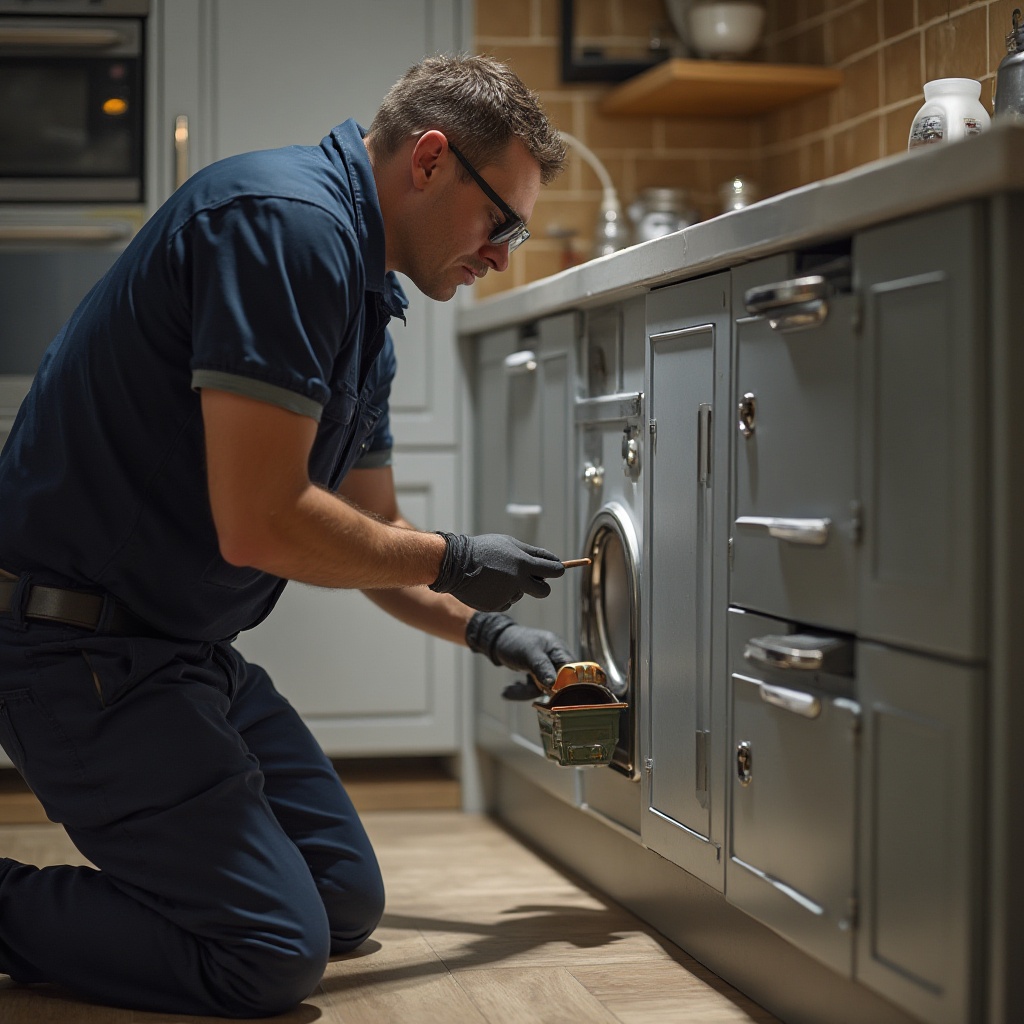
A tenant in a ground-floor flat in Islington contacted us after hearing scratching noises behind the kitchen units, mostly late in the evening. At first, they thought it might be pipes, but a few days later they noticed droppings under the sink.

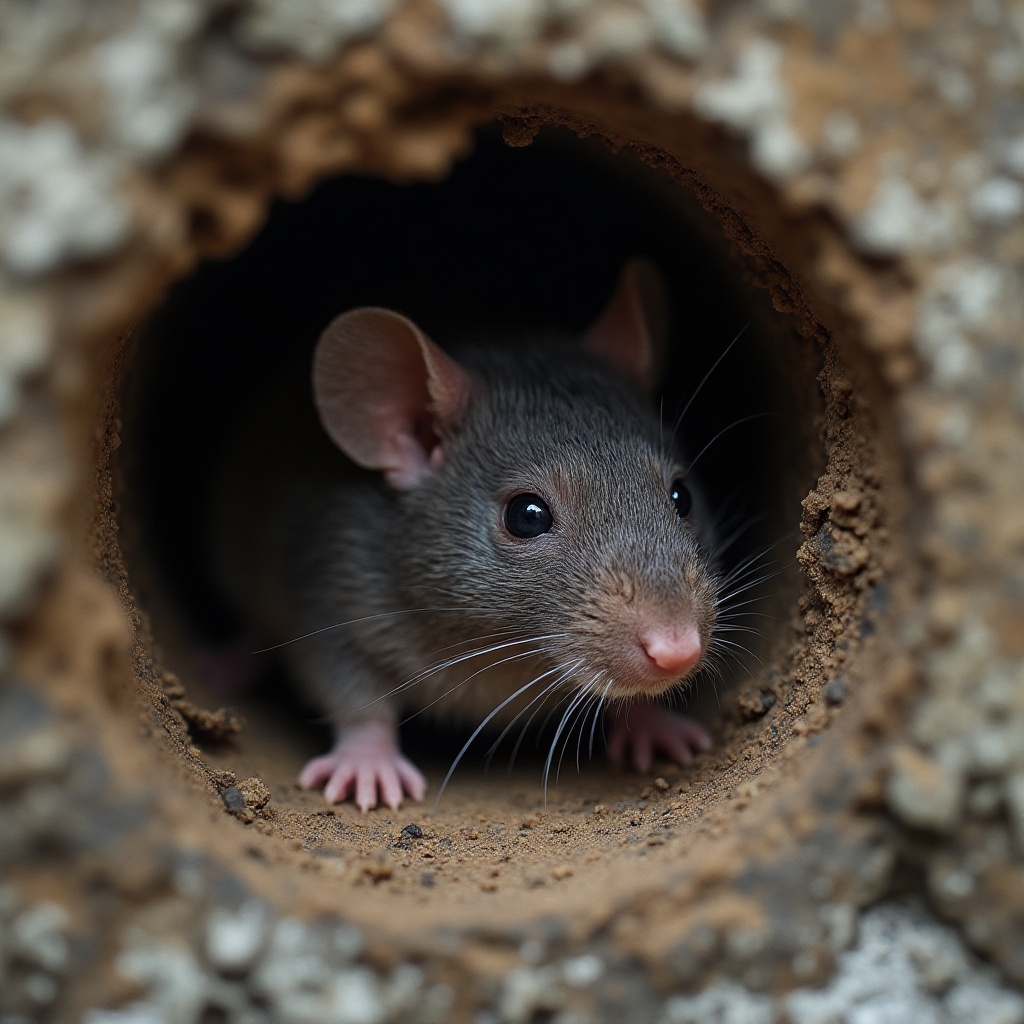
When we inspected the property, we found a small gap around the waste pipe leading into the wall. This is a common issue in older London flats, especially where pipework hasn’t been properly sealed. There were clear signs of rat activity behind the cupboards.

We placed secure bait stations in the affected areas and arranged a follow-up visit. Within a few days, activity dropped significantly. On the second visit, we checked the stations and confirmed the treatment was working.

The key issue, however, was the entry point. We advised the tenant and landlord to seal the gap properly, as leaving it open would allow rats to return. Once that was done, the problem was fully resolved.

This is a typical example of how rat issues develop in London properties — small structural gaps combined with easy access can quickly lead to an infestation if not addressed early.

Frequently Asked Questions About Rat Control in London

How quickly can you attend a rat problem?
In most London areas, we can arrange a visit within 24–48 hours. Same-day appointments are sometimes available, depending on location and access.
How long does rat control take to work?
Initial results are usually seen within a few days, but full control often takes 1–2 weeks. This depends on the level of activity and whether entry points are properly addressed.
Do I need to leave the property during treatment?
In most cases, no. Treatments using secure bait stations are controlled and can be carried out while you remain in the property, with minimal disruption.
Is rat treatment safe for pets and children?
Yes, when applied professionally. Bait stations are placed in secure, targeted locations to reduce risk and are not left exposed in living areas.
Will one visit solve the problem?
Not always. In many London properties, especially flats or older buildings, follow-up visits are needed to monitor activity and ensure the infestation is fully resolved.
What should I do before the visit?
Basic preparation helps, such as clearing access to affected areas (under sinks, behind appliances) and securing food or waste. This allows the inspection and treatment to be carried out more effectively.
Can rats come back after treatment?
Yes, if entry points are not sealed. Treatment removes the current infestation, but long-term control depends on preventing access to the property.

What Our Customers Say

These are some of the responses from our customers who are very satisfied

Austin Bramson Central London 5 stars rating

“Great job on the wasp nest removal. Safe and fast!”

Thomas B. Central London 5 stars rating

“Very reliable and effective pest control. Will use again!”

Elise Kirk Central London 5 stars rating

“Panther Pest Control was professional and thorough. No more bed bugs!”

Sophie Cross Central London 5 stars rating

“Panther Pest Control solved our flea problem in no time. Thank you!”

G. Henderson Central London 5 stars rating

“Professional and courteous. The best pest control in London!”

Rats Control London

Address: Central London

Phone: 020 3404 5177

E-mail: office@pantherpestcontrol.co.uk

Other locations we cover nearby: Central London

Request a free quote

Contact us today to request your free, no-obligation quote and take the first step toward a pest-free environment.