Pest Control · LONDON
What Attracts Spiders To Your House
Al JoelAl Joel is a practical writer and long-term property maintenance specialist who focuses on real-world pest control, home safety, and prevention advice. His blog posts are written in a clear, no-nonsense style, based on hands-on experience rather…

What Attracts Spiders to Your House
Spiders don’t enter homes randomly. In most cases, they are drawn in by specific conditions that make the environment suitable for feeding and shelter. If those conditions are present, spiders are more likely to settle and remain inside the property.
Unlike some pests, spiders are not interested in food waste. Instead, they follow their food source—other insects—and look for quiet, undisturbed areas where they can build webs and stay hidden.
This guide explains what attracts spiders into your home, why they choose certain areas, and how to reduce the conditions that allow them to stay.
- The main reasons spiders enter properties
- Where they are most likely to hide
- What increases spider activity indoors
- Practical ways to reduce and prevent spiders
By understanding what draws spiders in, you can take simple but effective steps to make your home less attractive to them and reduce ongoing activity.
What Attracts Spiders Inside the House?
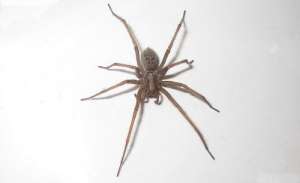
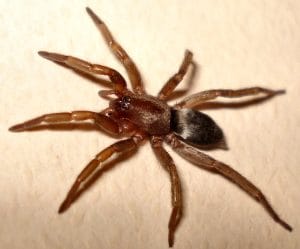
The main reason spiders enter homes is food. Spiders are natural predators that feed on other insects. If your home has flies, mosquitoes, moths, ants, or cockroaches, spiders will follow.
Spiders catch prey using webs, hunting, or ambush techniques. While this makes them natural pest controllers, it also means that reducing insect activity is one of the most effective ways to reduce spider presence.
Other common factors that attract spiders include:
-
Warmth – during colder seasons, spiders seek indoor shelter
-
Water sources – sinks, bathtubs, and damp areas
-
Privacy – corners, crevices, unused rooms, and storage spaces
-
Second-hand furniture – spider egg sacs can easily be brought inside
-
Domestic waste – attracts insects, which then attract spiders
Spiders may also be drawn indoors during mating periods, as some species use vibrations and sound signals that unintentionally bring more spiders into the same area.
Are Spiders Dangerous?
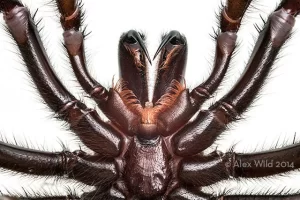
Despite common fears, most spiders in the UK are harmless to humans. They rarely bite, and when they do, the reaction is usually mild. In fact, spiders often benefit households by reducing populations of insects that pose a greater health risk.
That said, not everyone is comfortable sharing their space with spiders, and excessive numbers can be unsettling.
Favourite Hiding Places for Spiders
Spiders prefer dark, narrow, and quiet locations where there is little human movement. They are highly sensitive to vibrations and will avoid busy areas whenever possible.
Common spider hiding spots include:
-
Basements and cellars
-
Attics and lofts
-
Ceiling corners
-
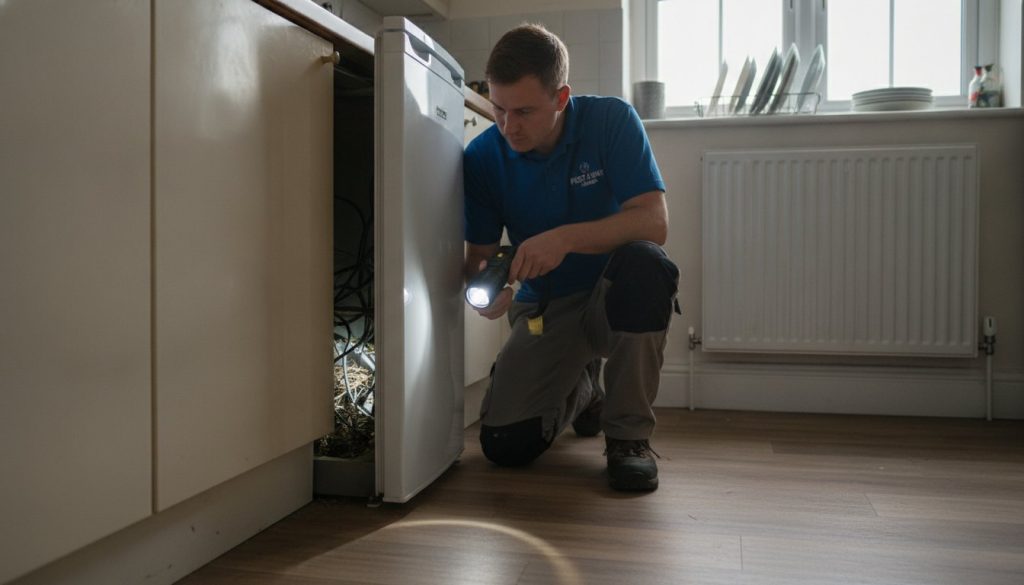
Behind furniture and appliances
-
Bathrooms and garages
-
Closets and storage areas
-
Inside vehicles
-
Occasionally inside fruit or food packaging
Spiders don’t necessarily prefer damp conditions, but damp areas tend to attract insects, which explains their presence there.
Are Spiders Attracted to Human or Pet Food?
No. Spiders cannot digest human or pet food and have no interest in it. They are only attracted to live insects, such as flies, moths, earwigs, or cockroaches.
What Attracts Spiders to Humans?
Spiders are not attracted to humans themselves. They may respond to body warmth, or they may accidentally land on a person while moving along a web or ceiling surface.
A lesser-known fact is that spiders recycle their silk by eating it. If a web sticks to someone passing underneath, it’s usually an accident—not aggression.
How to Spider-Proof Your Home
You can significantly reduce spider activity with consistent prevention:
-
Regular dusting and vacuuming, especially corners and ceilings
-
Removing webs and egg sacs as soon as they appear
-
Sealing cracks and small gaps around windows, doors, and walls
-
Cleaning second-hand furniture before bringing it indoors
In modern homes, sealing entry points is often effective. In older buildings, it may be more challenging, which makes regular cleaning even more important.
Cleaning After a Spider Infestation
While spiders don’t heavily contaminate homes, it’s wise to thoroughly clean and disinfect after dealing with an infestation. This helps remove webs, eggs, and any bacteria introduced by insects they fed on.
If spider activity continues despite preventive measures, professional spider pest control is the safest and most effective long-term solution.
Gallery

Find More:
- Pest Control in Rented Property: Landlord or Tenant Responsibility in the UK?
- Signs of Woodworm in UK Homes: Identification, Treatment and Prevention
- How to Get Rid of a Wasp Nest Safely: UK and London Expert Guide
- Rats in the Garden UK: How to Remove Them Safely and Stop Them Returning
- How to Get Rid of Bed Bugs in the UK: A Professional London Guide

Al Joel is a practical writer and long-term property maintenance specialist who focuses on real-world pest control, home safety, and prevention advice. His blog posts are written in a clear, no-nonsense style, based on hands-on experience rather than theory. Al’s goal is simple: to help homeowners make safe, informed decisions and know when DIY is reasonable and when professional help is the smarter option.