Mice Control in London for Flats, Houses and Workspaces

Small signs like chewed food packaging or a faint scratching sound behind units are often the first indication of mice inside a property. In London, this is particularly common in kitchens, storage areas and older buildings where small gaps around pipework or flooring are easy to miss.

Our mice control service is focused on finding where the activity is coming from, dealing with it using targeted methods, and helping you avoid the issue returning. Whether it’s a single room problem or activity spreading through a property, we approach each job based on how mice are actually moving through the space.

  • ✔ Practical inspection to identify hidden activity areas
  • ✔ Targeted use of traps and controlled treatment zones
  • ✔ Advice on reducing attractants and sealing small gaps
  • ✔ Flexible appointments across London and the M25


👉 Arrange a visit to assess the problem and get it under control before it spreads further.

"*" indicates required fields

*

How Mice Problems Develop in London Properties

In many London homes, mice activity starts quietly and builds up over time. They usually enter through very small gaps around pipework, floor edges or behind fitted kitchen units. In flats and older terraced houses, these gaps often connect to neighbouring properties, which allows mice to move between spaces without being noticed.

Once inside, mice tend to stay close to food sources and sheltered areas. Kitchens are the most common starting point, especially under sinks, behind appliances or inside cupboards. In some cases, activity spreads into wall cavities or ceiling voids, particularly where there are warm, undisturbed spaces.

We often see this in rental properties where small maintenance issues go unnoticed. A loose pipe entry or a gap behind a unit may seem minor, but it creates an easy access point. Combined with accessible food, even in small amounts, it allows mice to settle quickly.

Unlike larger infestations, early-stage mouse problems can be difficult to spot. Light scratching at night, small droppings or minor packaging damage are usually the first signs. If left unchecked, activity increases and becomes more visible over time.

Understanding how the problem starts is key to controlling it properly. Without identifying how mice are entering and where they are nesting, treatment alone is unlikely to provide a lasting result.

What a Mice Control Visit Typically Involves

A mice control visit is usually straightforward, but it needs to be done carefully to be effective. In London properties, the layout often makes access more difficult, especially in fitted kitchens or flats where activity is hidden behind units or within shared walls.

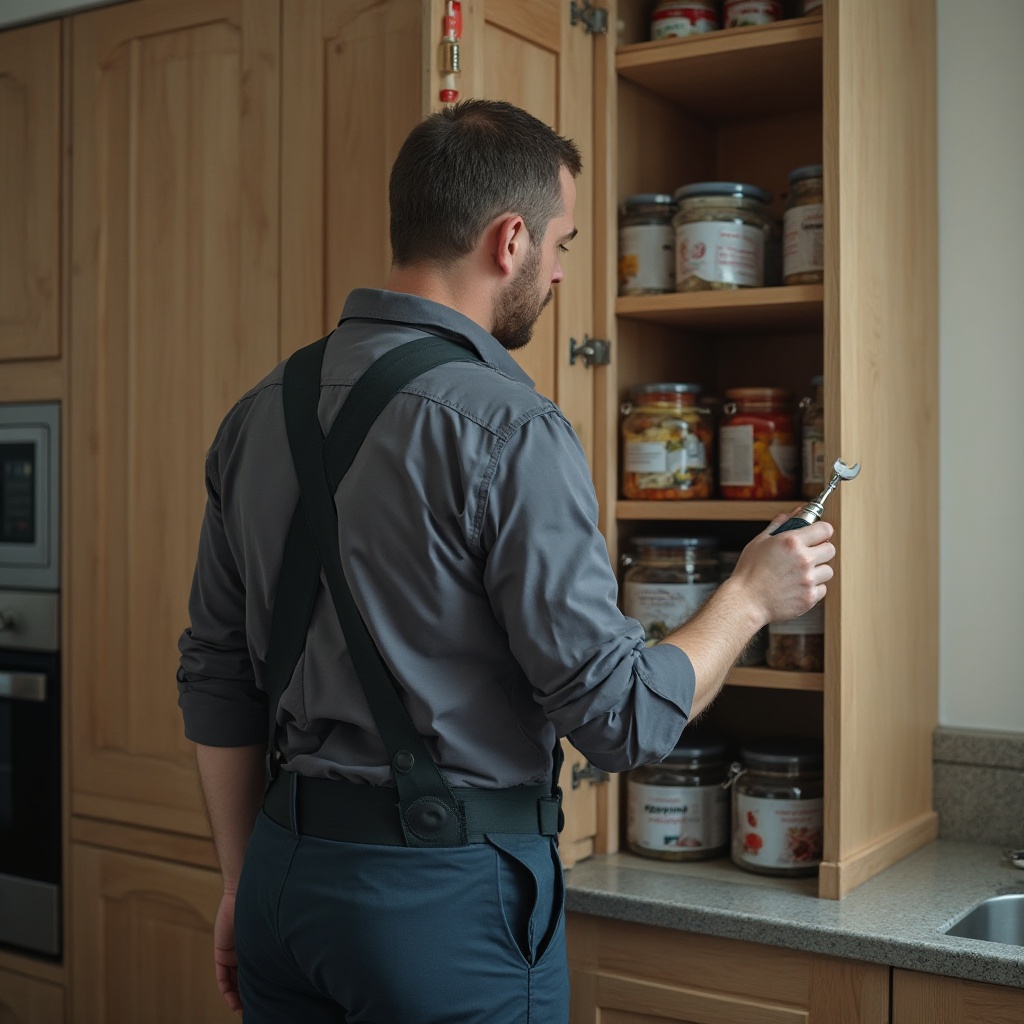
We start by checking the areas where mice are most likely to be active. This often includes under sinks, behind appliances, inside cupboards and along skirting boards. We look for droppings, grease marks and small entry points that indicate how mice are moving through the space.

Once activity is confirmed, treatment is set up using a combination of traps and controlled placements in specific locations. These are positioned along known movement paths rather than randomly, as mice tend to follow the same routes repeatedly. In smaller infestations, this can be enough to bring the situation under control quickly.

Most initial visits take around 30 to 60 minutes, depending on how accessible the affected areas are. In some London flats, limited access behind fixed units can make the process slower and may require follow-up visits to monitor progress.

After the treatment is in place, we explain what to expect over the next few days. You may still notice some activity initially, but this should reduce as the treatment takes effect. We also highlight any areas where small gaps or access points need attention, as these are often the main reason mice return.

The aim is not just to deal with the immediate issue, but to make sure the conditions that allowed it to happen are properly addressed.

Where Mice Activity Is Most Common in London Homes

Mice tend to settle in areas where they can move unnoticed and stay close to food or warmth. At Panther Pest Control, we often find that activity in London properties is concentrated in kitchens, utility spaces and hidden structural gaps rather than open living areas.

Behind kitchen units is one of the most common locations. Once mice enter through pipework or floor gaps, they usually remain behind cupboards where it is dark and undisturbed. This is why many customers first notice scratching sounds before seeing any visible signs.

Under sinks and around appliances are also typical problem areas. Washing machines, dishwashers and cookers create small gaps and warm zones that mice use for shelter. In many flats, pipe entries in these areas are not fully sealed, which allows easy movement from wall cavities into the property.

In terraced houses and converted flats, mice frequently travel through wall voids and between floors. Ceiling spaces can act as nesting areas, especially in older buildings where insulation and structure provide quiet, hidden access routes. At Panther Pest Control, we often see activity spreading this way before it becomes obvious in living areas.

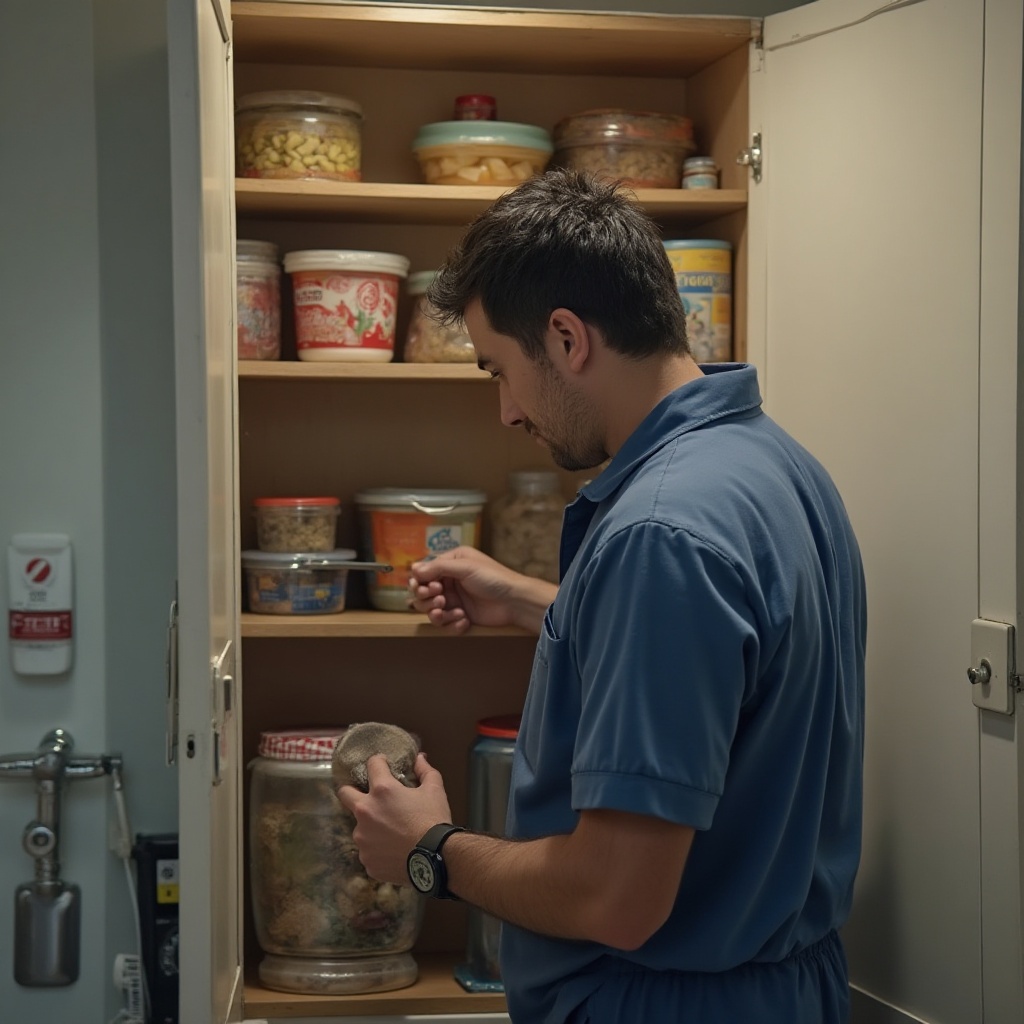
Storage spaces and cupboards are another common point of activity, particularly where food is kept. Even sealed packaging can be damaged, and small amounts of food waste are enough to keep mice returning.

In some situations, early signs appear outside the property, such as near bins or external walls. This usually indicates a nearby nesting point and a higher chance of mice entering the building if access points are not addressed.

Understanding where mice are most active allows Panther Pest Control to focus treatment in the right areas, ensuring the problem is handled effectively rather than relying on guesswork.

Recent Mice Control Job in London

We were recently called to a one-bedroom flat in Hackney where the tenant had started noticing small droppings inside a kitchen cupboard and occasional scratching sounds at night. The issue had only been present for a few days, but it was already clear that mice were active behind the units.

When our team at Panther Pest Control carried out the inspection, we found a small gap around the pipework under the sink leading into the wall cavity. This is a common access point in London flats, especially where kitchens have been fitted without fully sealing service entries.

We placed targeted traps in the areas where activity was highest, focusing on the routes mice were using behind the cupboards. Access was limited due to fixed units, so careful placement was important to make sure the treatment worked without unnecessary disruption.

The initial visit took around 45 minutes. Within a few days, the tenant reported that the scratching had stopped. On the follow-up visit, we checked the traps and confirmed that activity had been brought under control.

The main issue, however, was the entry point. We advised the landlord to seal the gap around the pipework, as leaving it open would allow mice to return. Once this was addressed, the problem was fully resolved.

This type of situation is quite typical in London properties, where small structural gaps combined with easy access can quickly lead to mice activity if not dealt with early.

Frequently Asked Questions About Mice Control in London

How quickly can Panther Pest Control attend?
In most London areas, we can arrange a visit within 24–48 hours. For urgent situations, same-day availability may be possible depending on access and location.
How long does it take to get rid of mice?
In many cases, activity starts to reduce within a few days. Full control typically takes around 1–2 weeks, depending on how established the problem is and whether entry points are addressed.
Do I need to leave the property during treatment?
No, in most situations you can remain in the property. At Panther Pest Control, treatments are carried out in a controlled way, focusing on specific areas with minimal disruption.
Are the treatments safe for children and pets?
Yes, when handled professionally. Traps and treatment points are placed carefully in targeted locations to reduce risk and avoid exposure in living areas.
Will one visit be enough?
Not always. In many London flats and older buildings, follow-up visits are needed to check progress and ensure the issue is fully resolved.
What should I do before the visit?
It helps to clear access to key areas such as under sinks, behind appliances and inside cupboards. This allows Panther Pest Control to carry out a more thorough inspection and treatment.
Why do mice keep coming back?
In most cases, it’s due to small entry points being left open. Treatment removes the current activity, but long-term prevention depends on sealing gaps and reducing access to food.
Do you fix entry points as well?
We identify and explain where mice are getting in and what needs to be done. Some properties may require additional repair or proofing work to fully prevent re-entry.

Facts About Mice in London Properties

Mice are one of the most common pest issues in London, mainly because urban buildings provide easy access, shelter and consistent food sources. Understanding how they behave helps explain why infestations happen and why some properties are more affected than others.

Mice can enter through extremely small gaps. In many cases, an opening as small as 6–7mm is enough. Around pipework, behind kitchen units or along floor edges are typical entry points, especially in flats where multiple properties are connected through shared walls and service routes.

They are highly active and move frequently. Unlike some pests that stay in one place, mice explore constantly, often travelling along the same edges of walls or behind furniture. This is why activity is usually concentrated in narrow, hidden routes rather than open areas.

Mice reproduce quickly. A single pair can lead to a noticeable infestation in a relatively short time if conditions are right. In heated London homes, breeding can continue throughout the year, particularly in kitchens and storage areas where food is available.

Food doesn’t need to be obvious. Even small crumbs, unsealed packaging or waste left overnight can be enough to sustain activity. In many London flats, shared bin areas and limited storage space contribute to ongoing issues if not managed carefully.

They rely on their environment for safety. Mice prefer dark, enclosed spaces such as behind appliances, inside cupboards or within wall cavities. This makes them difficult to detect early, as most activity happens out of sight.

In older buildings, structural gaps are a common factor. Over time, small openings develop around pipes, vents and floorboards, creating easy access routes. At Panther Pest Control, we often see infestations linked more to these structural issues than to cleanliness alone.

It’s also important to understand that mice are cautious. They tend to avoid new objects or changes in their surroundings, which is why effective treatment is based on placing traps and control points along established movement paths rather than in open areas.

While basic prevention measures can reduce the risk, long-term control depends on identifying how mice are entering the property and limiting access. Without addressing these points, activity is likely to return even after initial treatment.
What Our Customers Say

These are some of the responses from our customers who are very satisfied

Austin Bramson Central London 5 stars rating

“Great job on the wasp nest removal. Safe and fast!”

Thomas B. Central London 5 stars rating

“Very reliable and effective pest control. Will use again!”

Elise Kirk Central London 5 stars rating

“Panther Pest Control was professional and thorough. No more bed bugs!”

Sophie Cross Central London 5 stars rating

“Panther Pest Control solved our flea problem in no time. Thank you!”

G. Henderson Central London 5 stars rating

“Professional and courteous. The best pest control in London!”

Mice Control London

Address: Central London

Phone: 020 3404 5177

E-mail: office@pantherpestcontrol.co.uk

Other locations we cover nearby: Central London

Request a free quote

Contact us today to request your free, no-obligation quote and take the first step toward a pest-free environment.