 020 3404 5177
Pest Control Services in East Ham by Panther Pest Control
Infestations in East Ham properties often develop quickly due to shared walls, ageing drainage systems, and structural voids in older housing stock. Effective pest control requires accurate identification of entry routes and targeted treatment planning across both residential and commercial buildings.
- Rodent and insect activity is frequently traced through loft voids, wall cavities, and poorly sealed service entry points
- Infestations in Victorian conversions and purpose-built flats often spread between multiple floors due to shared structural gaps
- Control strategies are adapted to property layout, ensuring safe treatment application in occupied homes and busy commercial spaces
Five-Star Feedback from East Ham Pest Control Clients at Panther Pest Control


Morgan S. 
The rats were successfully exterminated by the technicians but they were inside the property for so long that there were footmarks almost everywhere. No one at home was enthusiastic enough to take care of this.

Vicky B.
The pest infestation in our home went out of control completely. There were only spiders first but then we started seeing other crawling insects as well. Since the treatment was done, I haven’t noticed any invaders, yet!
Fast Response During Active Infestations
Homeowners and landlords in East Ham often report how quickly pest issues are escalated and attended to, especially when rodents or insects are actively present inside living spaces. Rapid scheduling helps limit the spread of infestations in high-risk properties such as converted terraces and multi-occupancy flats where pests can move between floors.
Accurate Diagnosis and On-Site Assessment
Clients regularly highlight the precision of initial inspections, particularly in identifying concealed nesting zones within loft insulation, wall voids, and kitchen service areas. This detailed diagnostic approach ensures that treatments are based on verified activity rather than surface-level signs.
Effective and Targeted Treatment Methods
Feedback frequently references the reliability of treatment outcomes, with tailored solutions applied depending on pest type and property structure. Whether dealing with rodents, bed bugs, or wasp activity, control measures are selected to reduce reinfestation risk while maintaining safety inside occupied homes.
Clear Communication and Preventative Guidance
Customers value the ongoing advice provided after treatment, particularly guidance on sealing entry points and reducing attractants around kitchens, basements, and external waste areas. This preventative support helps reduce repeat infestations in both residential and commercial East Ham properties.
Effective and Long-Lasting Pest Control Solutions in East Ham
Precision Treatment for Recurring Infestations
In East Ham properties, repeated pest activity is often linked to hidden access points in lofts, basements, and service risers. Treatments are designed to break breeding cycles and eliminate active colonies rather than only addressing surface-level sightings.
Structured Prevention and Property Protection
Long-term control depends on addressing the structural weaknesses that allow pests to re-enter buildings. This is especially relevant in Victorian terraces and converted flats where voids and ageing brickwork create consistent movement routes.
Integrated Control Measures for Lasting Results
- Entry point sealing in wall gaps, floorboards, and pipe penetrations to restrict pest movement
- Targeted baiting systems placed in high-activity zones such as kitchens, loft spaces, and basement areas
- Residual treatments applied to disrupt nesting behaviour and reduce reinfestation risk over time
Ongoing Monitoring and Environmental Advice
Technicians provide post-treatment monitoring guidance to help property owners identify early warning signs of renewed activity. Advice typically focuses on waste management, moisture control, and structural maintenance to maintain long-term protection across East Ham residential and commercial buildings.
Pest Control East Ham
What Our Customer Say`s
These are some of the responses from our customers who are very satisfied
Booked property fumigation of an entire house and was quite happy with the service. I expected it to take much longer that it actually took, so that was a nice surprise. I will recommend to everyone needing the job done swiftly.
I would have been nice if the world worked in a way that if you once get bed bugs and get rid of them they never reappear, but it doesn’t. I’ve had to call for bed bug treatment two times in the last five years and have trusted Panther Pest Control both times. They get the job done without any hassle, plus the prices are budget-friendly.
Excellent 5-star service from Georgi! Quick and efficient, was solution-focused as this was a mid-tenancy clean so had all my stuff in the flat still – he offered nothing but solutions, would 100% book him again!
Cockroaches were everywhere! It was terrifying! We must not have noticed the infestation at first because when we did see it it was a nightmare. We were so grossed out we called the first company that popped up online and booked an emergency service. We couldn’t be more grateful! Thank you!
The treatment was carried out in a professional manner and the technician answered all of my questions patiently. Thanks to their expertise, I can now enjoy a pest-free home. Highly recommend!
The pest infestation in our home went out of control completely. There were only spiders first but then we started seeing other crawling insects as well. Since the treatment was done, I haven’t noticed any invaders, yet!
Prices And Deals from Panther Pest Control

Rodent Control Plans & Pricing in East Ham
Our rodent control plans include professional treatment and follow-up inspections to help eliminate rats and mice while reducing the risk of future infestations.
| 1-Month Plan | Price |
|---|---|
| 1-Bedroom Property | £205 |
| 2-Bedroom Property | £215 |
| 3-Bedroom Property | £240 |
Includes: Initial treatment plus one follow-up inspection within 30 days. Ideal for recent rodent activity.
| 3-Month Plan | Price |
|---|---|
| 1-Bedroom Property | £285 |
| 2-Bedroom Property | £295 |
| 3-Bedroom Property | £320 |
Includes: Initial treatment and two follow-up visits over three months. Recommended for persistent or recurring rodent infestations.
“`
Frequently Asked Questions
Can you treat pests in apartment complexes in East Ham?
Yes, we offer pest control services for apartment complexes and can coordinate treatments with property managers to cover entire buildings.
Do you offer pest control for hospitals and healthcare facilities?
Yes, we provide discreet and safe pest control solutions for healthcare facilities, focusing on sensitive areas where pests could cause serious issues.
What industries do you specialize in for pest control?
We specialize in pest control for hospitality, food services, retail, healthcare, education, and property management sectors.
Can you provide pest control for large warehouses?
Yes, we have experience treating large commercial spaces, including warehouses, where pest control is critical for storage and inventory safety.
How do you handle pest control in hotels?
We provide discreet and effective pest control for hotels, minimizing disruption to guests while ensuring a pest-free environment.
Are your commercial services available on a contractual basis?
Yes, we offer ongoing pest management contracts for businesses to ensure continuous protection and compliance with regulations.
Can you manage pests in construction sites?
Yes, we provide pest control solutions for construction sites, focusing on preventing infestations during the building process.
Meet Our Experts

Local Wasp and Insect Specialist in East Ham
Wasp activity can increase rapidly during the warmer months, particularly around lofts, rooflines, wall cavities and garden structures. Early intervention is often the safest and most effective way to prevent a small nest from developing into a larger infestation.
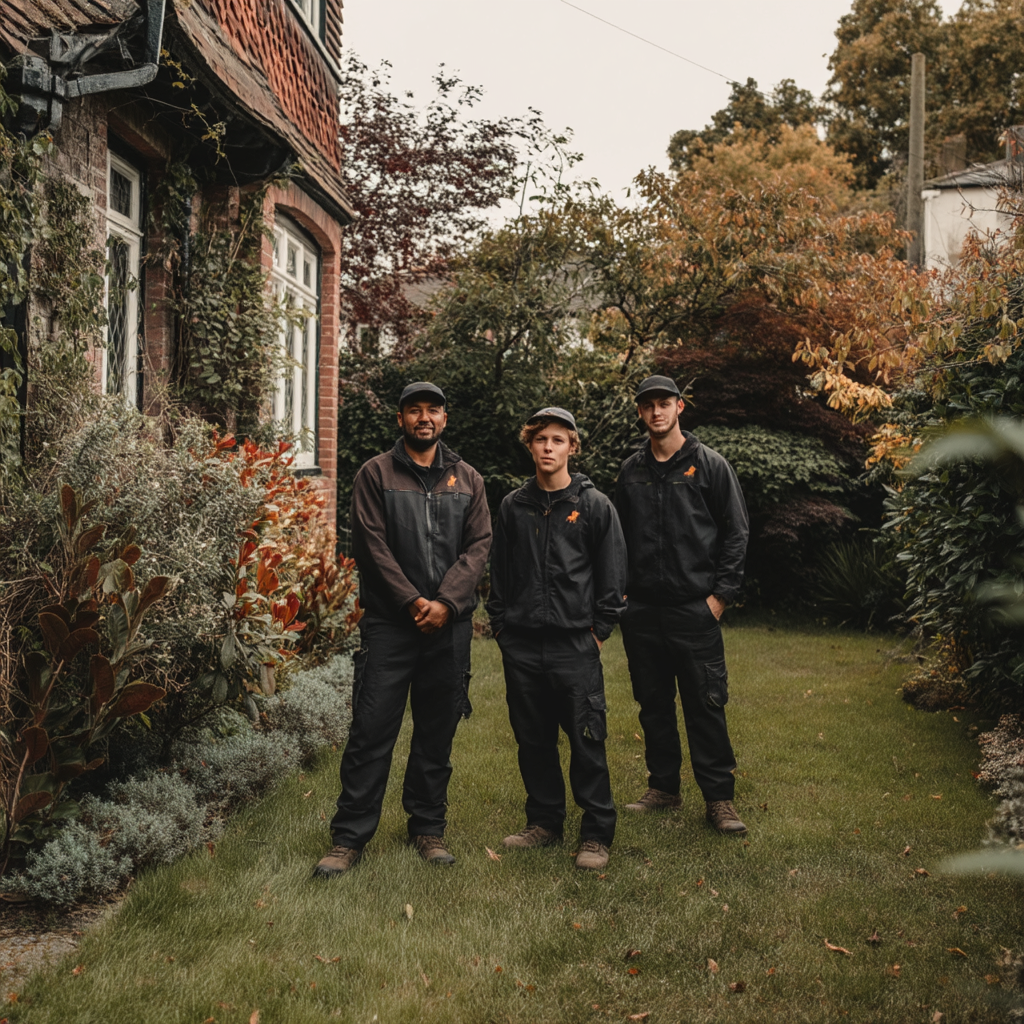
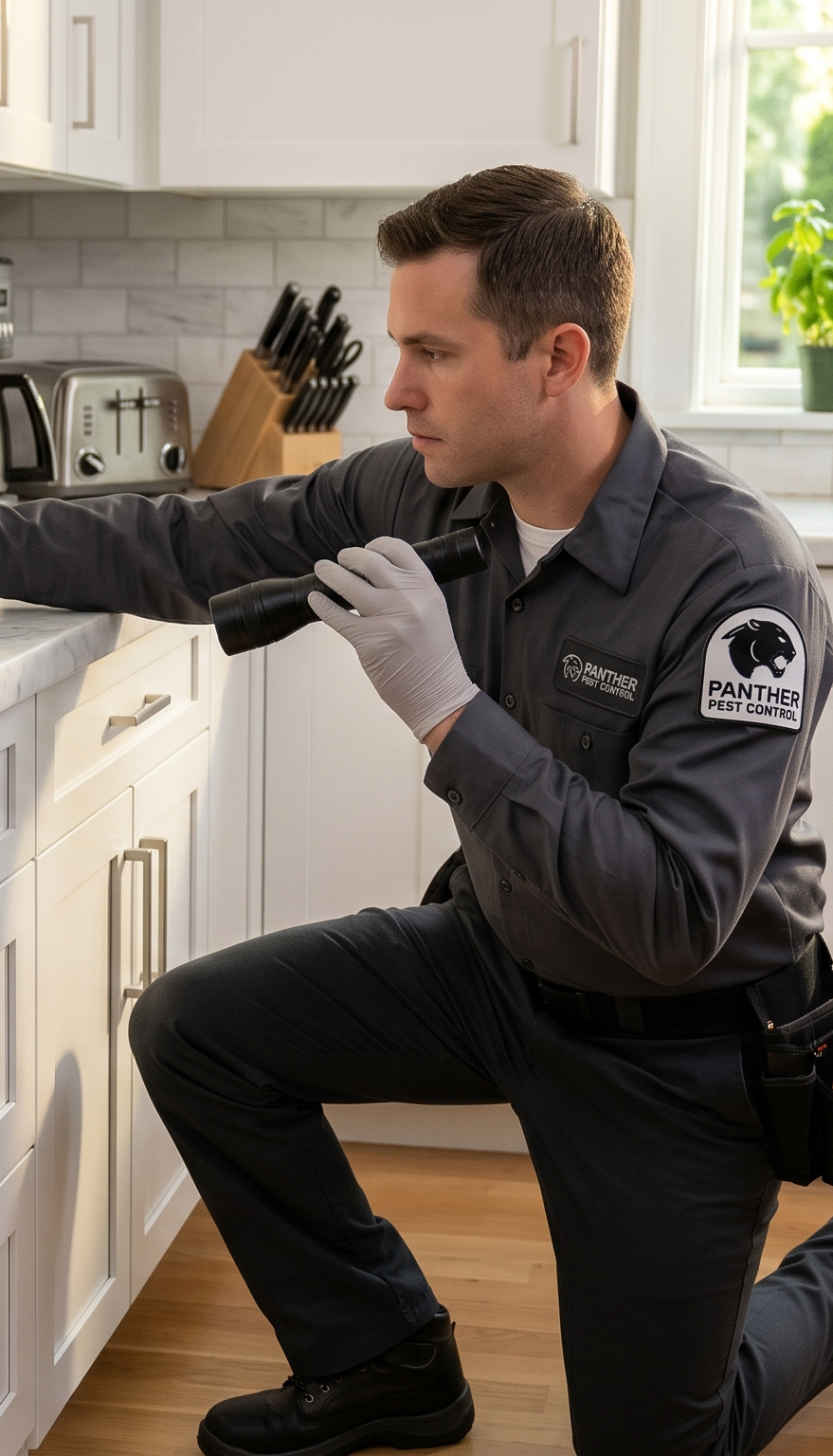
Alexander Clarke is one of Panther Pest Control’s experienced insect technicians, specialising in wasp nest treatments, flying insect control and the identification of active nesting sites. He has worked on a wide range of residential and commercial pest control projects throughout London and the surrounding areas.
🐾 Local pest pressure
Pest risk points near East Ham
Our pest control technicians regularly work across East Ham, covering homes, shops, commercial buildings, green spaces and busy local streets where pest activity can develop.
East Ham
Transport hub
Busy transport areas can increase waste, footfall and rodent pressure.
0m away
Lidl
Retail area
Retail and storage areas need good waste control to reduce rodent and insect activity.
90m away
KFC
Commercial building
Large buildings often need proofing, monitoring and discreet pest prevention.
259m away
Our Newham Learning & Skills
School area
Schools and nearby buildings need safe, discreet pest prevention.
939m away
Woodgrange Park
Transport hub
Busy transport areas can increase waste, footfall and rodent pressure.
1.2km away
Learning Centre
Local risk point
Nearby properties may need routine pest checks and prevention.
1.3km away
✓ Local technicians in East Ham
✓ Same-day pest control visits
✓ Rodent, insect & bird proofing
✓ Discreet treatment for homes & businesses
Local pest knowledge matters. We consider nearby food sources, gardens,
transport links, building type and access points around East Ham before recommending treatment.
Pest Control East Ham
Postcode coverage: E6, Е12
Other locations we cover nearby: East Ham
Request a free quote
Contact form
"*" indicates required fields
