020 3404 5177
If you’ve seen a cockroach in your kitchen at night or near appliances, it usually means there’s more activity out of sight. In London flats and houses, cockroach infestations tend to build up behind cupboards, under appliances, and around pipework where it’s warm and undisturbed. This cockroach control London service from Panther Pest Control is designed for properties where sightings are ongoing or returning despite basic cleaning.
In many cases, what you see is only a small part of the problem. Cockroaches stay hidden during the day and come out when the environment is quiet, which is why activity often goes unnoticed until it becomes consistent.
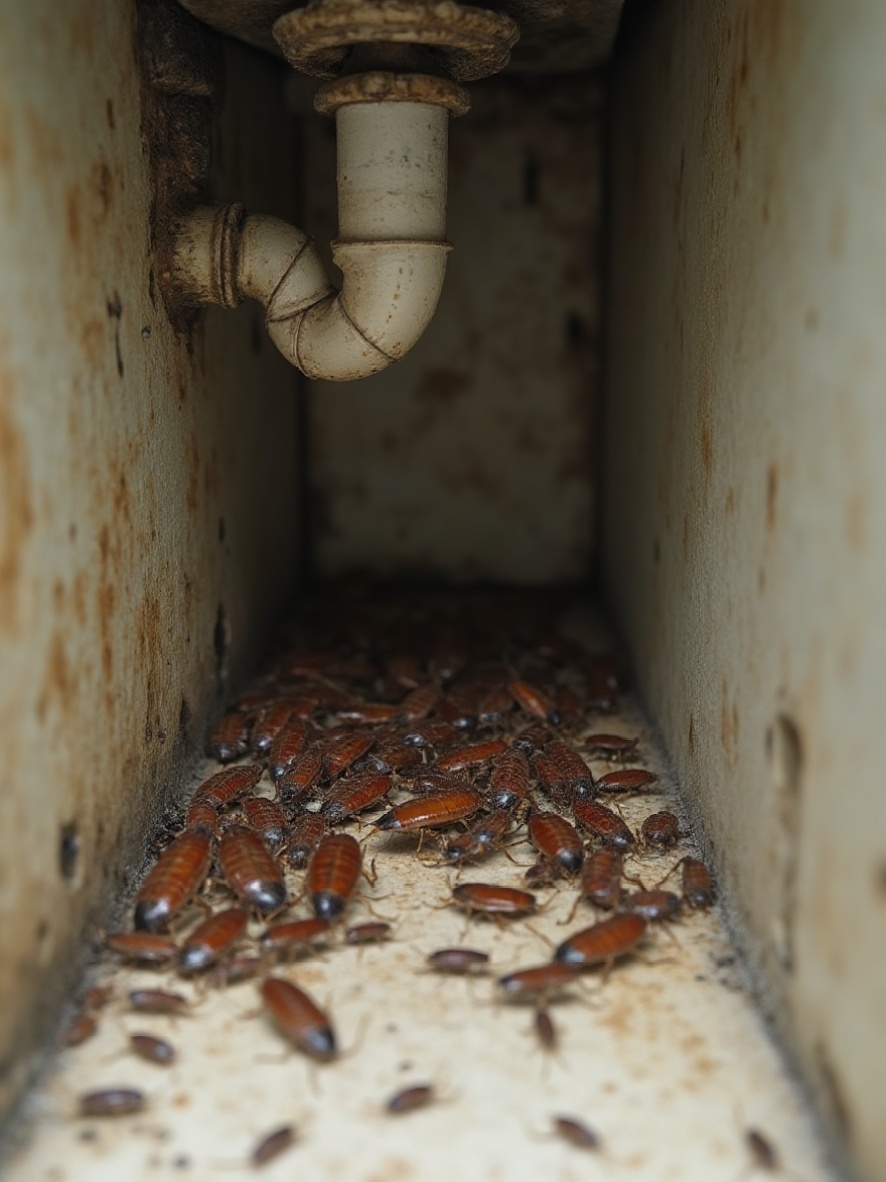
A recent job in a compact flat in South London involved cockroaches appearing only at night near the sink. The source turned out to be behind fitted kitchen units where moisture had built up around pipework. Situations like this are common in London properties, where access is tight and the infestation develops out of sight.
Most cockroach infestations in London start in areas where there’s a steady combination of warmth, moisture, and limited disturbance. Kitchens and bathrooms are the main hotspots, especially around sinks, dishwashers, and pipe entry points. In flats, this becomes more complicated because the activity isn’t always coming from within the same property — cockroaches can travel through shared pipework and wall voids.
Early signs are easy to miss. You might see one insect late at night and assume it’s an isolated case, but in reality, cockroach infestations build up quietly behind cupboards, under appliances, and inside wall gaps. In a recent cockroach control London job handled by Panther Pest Control in a basement flat in Kensington, activity was only visible near the fridge, but the main nesting area was located behind the kitchen units where heat from appliances created ideal conditions.
Surface cleaning and shop-bought sprays rarely solve the problem. Cockroaches are highly resilient and avoid treated surfaces unless the application is targeted correctly. Effective cockroach control London focuses on placing treatments exactly where cockroaches travel and nest.
At Panther Pest Control, the process starts with identifying movement patterns — where the insects are coming from and which areas they’re using most. Treatment is then applied in key locations such as behind appliances, inside cupboard voids, and around pipework. We typically use professional-grade gels and residual insecticides that cockroaches come into contact with and carry back to the nesting area.
In many London properties, access can slow things down slightly. Fitted kitchens, tight utility spaces, and limited clearance behind appliances can make it harder to reach all areas in one visit. That’s why follow-up treatments are often needed to ensure the infestation is fully controlled.
After a cockroach treatment London, it’s normal to still see some activity for a short period. As the treatment takes effect, cockroaches are drawn out of hiding and come into contact with the product. This usually reduces significantly within a few days.
Most cockroach infestations are brought under control within one to two visits, depending on how established the problem is and how accessible the nesting areas are. In buildings with shared systems, additional monitoring may be needed to prevent reintroduction from neighbouring properties.
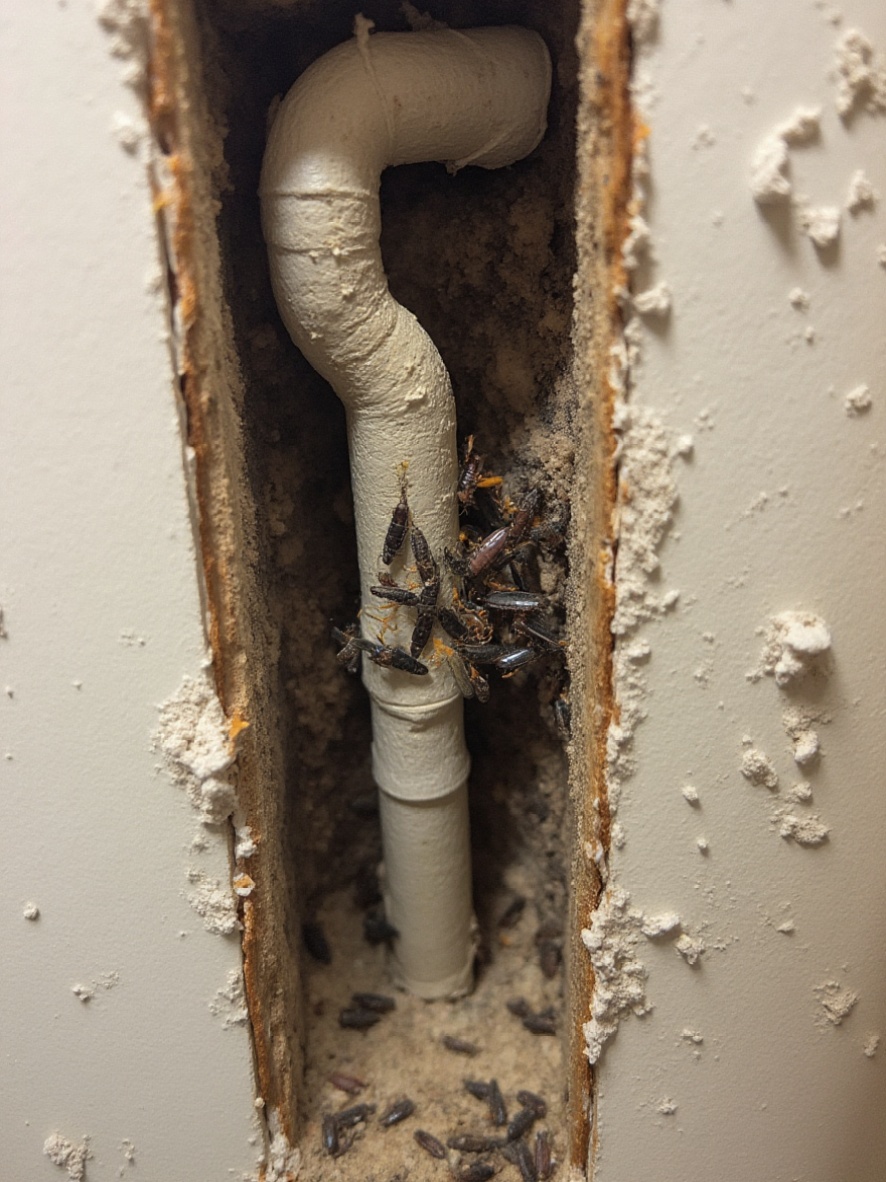
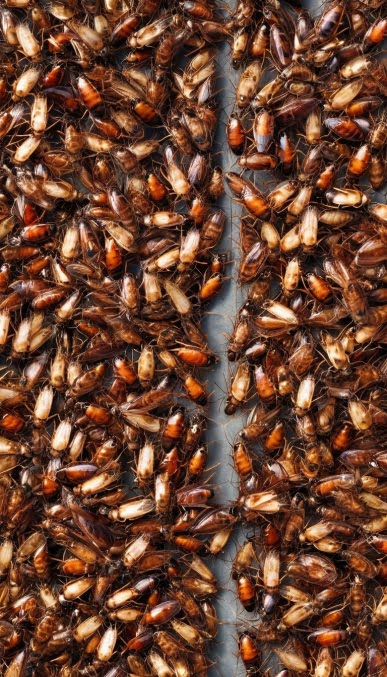
One of the biggest misunderstandings with cockroach infestations is how hidden they are. Seeing one or two usually means there are many more out of sight. In London properties, especially flats and basement units, cockroaches tend to stay deep inside wall voids, behind fitted kitchens, or under flooring where it’s warm and undisturbed.
Another issue is timing. Cockroaches are mostly active at night, so daytime checks don’t always show the real level of activity. We often get calls where the property looks clean and well-maintained, but the infestation is developing behind the scenes. In a recent cockroach control London job in a flat in Hackney, the tenant only noticed activity late at night near the sink, but inspection revealed movement behind multiple kitchen units.
DIY treatments also create problems. Over-the-counter sprays might kill visible insects, but they don’t reach the nesting areas. In some cases, they push the infestation deeper into the structure, making proper cockroach control London more complex.
If you’re seeing repeated activity, especially at night, or noticing signs like droppings, unusual smells, or insects around appliances, it’s time to act. Waiting usually allows the infestation to spread further into hidden areas.
For occasional sightings, monitoring may be enough at first. But once activity becomes consistent, proper cockroach control London is needed to address the source rather than the symptoms.
After treatment from Panther Pest Control, activity should gradually reduce over the following days. It’s important not to disturb treated areas too soon, as this can affect how well the products work.
We often recommend small adjustments, such as improving ventilation around moisture areas and reducing clutter near pipework. In some London flats, especially older buildings, structural factors mean there’s always a slight risk of reintroduction, so ongoing awareness helps maintain long-term control.
One of the main reasons cockroach infestations become persistent in London is the way buildings are structured. In many flats and converted houses, pipework, service ducts, and shared walls create direct pathways between properties. This allows cockroaches to move from one flat to another without being seen, even if one property is kept clean.
Warmth and moisture also play a big role. Kitchens, bathrooms, and utility areas provide the conditions cockroaches need to survive, especially in buildings where ventilation is limited. Once they establish themselves in one area, they can spread quickly through these connected spaces.
We often see this during cockroach control London jobs handled by Panther Pest Control, where activity in one flat is linked to neighbouring units. That’s why effective control isn’t just about treating visible areas — it’s about understanding how the building allows movement and reducing those access routes where possible.
These are some of the responses from our customers who are very satisfied
Other locations we cover nearby: Central London
Contact us today to request your free, no-obligation quote and take the first step toward a pest-free environment.