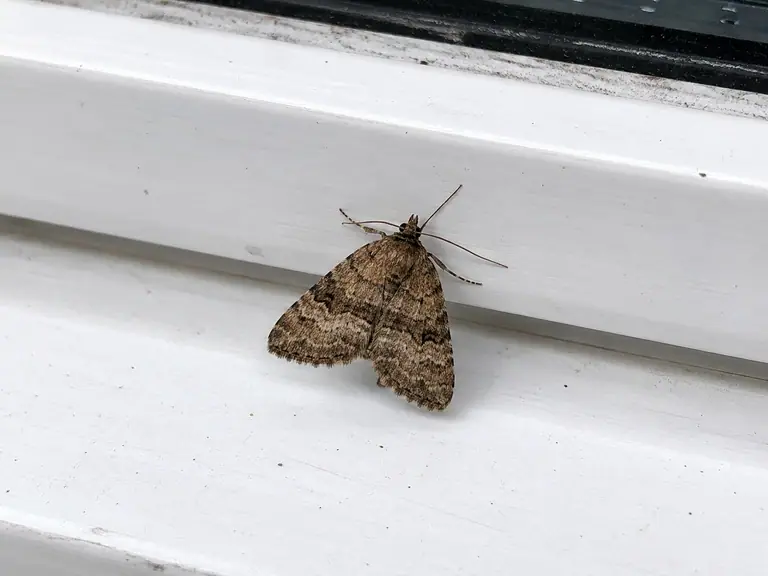
a mansion-block apartment with natural-fibre carpets
Inspection considers carpet edges, wardrobe bases and quiet storage zones.

LOCAL COVERAGE · LONDON RESPONSE
From unexpected rodent noise to insect activity, properties in Kensington need a response based on evidence. We provide local inspection, targeted control and straightforward follow-up guidance.
PEST CONTROL IN KENSINGTON
THE SERVICE, EXPLAINED
SW7 mansion blocks and period apartments can contain wool carpets, upholstered furniture and stored textiles that require a precise, material-aware inspection.
Kensington homes often contain fitted wool carpets, rugs, upholstered antiques, lined wardrobes and seasonal clothing stored for long periods. These materials are valuable, but their importance to a moth inspection lies in fibre content and disturbance rather than price. Bare carpet beneath a heavy cabinet, loose larvae cases at a wardrobe base or repeated small moths in one quiet room provide different evidence from an adult flying through an open window. Identification comes before any treatment recommendation.
The technician examines carpet edges, concealed floor areas, under-furniture zones, wardrobe corners and the folds or undersides of susceptible furnishings. Larvae, webbing, cases, frass and fresh fibre damage are recorded. Adult moths are useful indicators but do not show precisely where feeding is taking place. In a mansion block, the survey also considers service cupboards and communal carpeted areas while avoiding the unsupported assumption that activity must have come from another apartment.
A control plan may combine targeted application, physical cleaning, monitoring and specialist care for particular textiles. Residents are not told to spray every wardrobe or wash delicate items indiscriminately. Garments suitable for laundering, dry cleaning, controlled freezing or professional conservation are separated in the advice. Heavy furniture is moved only where safe and agreed. Monitors help measure adult activity, but they support inspection and review rather than functioning as a complete treatment on their own.
For a Kensington booking, identify the first damaged item, the rooms where moths are seen and whether fitted furniture or valuable textiles limit access. Building staff may need to arrange keys, parking or protection for communal finishes. Same-day assessment can be requested subject to availability, although a careful survey and appropriate preparation are more important than speed. Follow-up compares new evidence with the original map so that historic damage is not mistaken for continuing activity.
COMMON LOCAL SCENARIOS
Inspection considers carpet edges, wardrobe bases and quiet storage zones.
Access, storage and connected spaces are checked.
bare patches beneath furniture that is rarely moved
The response is planned around SW7 access and building use.
FROM FIRST SIGN TO CONTROL PLAN
A resident in an SW7 mansion block moves a cabinet for electrical work and finds an irregular bare patch in the wool carpet, together with several pale larval cases along the skirting.
The cabinet is left clear of the wall and the damaged area is photographed with its location recorded. The resident avoids vacuuming away every trace before identification and does not apply a retail aerosol near the polished furniture. Two recently seen adult moths are noted, as are a wool rug in the next room and boxed winter clothes in a fitted wardrobe. The building manager confirms that no similar report has been made in the corridor.
Inspection confirms case-bearing clothes moth evidence at the cabinet edge, with fresh feeding extending beneath an adjacent radiator cover. The central carpet and nearby rug show no larvae. A wardrobe survey finds old garment damage but no current webbing, while a small lint accumulation beneath its plinth is accessible for cleaning. The distribution supports a concentrated room-edge harbourage rather than uniform activity throughout the apartment.
The agreed programme begins with controlled vacuuming and disposal of collected material, followed by targeted treatment of the affected carpet perimeter and concealed edge. The cabinet and radiator cover are handled with protection for their finishes. Susceptible clothing is divided by care label: selected pieces go for dry cleaning, while unaffected sealed items remain isolated instead of being unpacked across the home. Monitoring points are dated in the drawing room and wardrobe.
At review, adult captures have fallen and no new larvae or fresh fibre loss are found around the treated edge. The cabinet is returned only after the area is examined, and a practical schedule is set for cleaning beneath movable furniture without damaging the interior. No communal treatment is recommended without evidence. This Kensington case shows that premium property care means reducing disruption while still exposing the quiet material zones that allow larvae to feed.
PANTHER CONTROL MATRIX
Select the closest match. The panel shows the first practical response — without making you identify the pest perfectly.
PANTHER RAPID RESPONSE
Call the London team. Describe what you have noticed and where it is happening.
NEARBY COVERAGE
DIRECT ANSWERS
No. They help detect and monitor adult activity, but larvae and their feeding sites still need to be located and addressed.
The method is selected around the identified materials and access. Delicate or specialist items may require professional conservation advice.
Not necessarily. Advice is divided by evidence, fibre type and care instructions to avoid unnecessary handling.
No. Communal or adjoining inspection is recommended only when evidence supports a wider route or additional reports exist.
LOCAL PRICE GUIDE
These London-wide starting prices provide a practical comparison before the treatment scope is confirmed.
| Service | Price from | Typical basis | Notes |
|---|---|---|---|
| Ant and cockroach control | From £184 | Treatment plan | Species, spread and follow-up requirements affect cost. |
| Silverfish treatment | From £184 | Treatment plan | Moisture conditions and affected rooms are assessed. |
| Spider control | From £184 | Treatment plan | Coverage and access determine the final scope. |
| Flea and moth control | From £184 | Treatment plan | Preparation, coverage and follow-up needs affect the quote. |
| Pest inspection | From £62 | Inspection visit | Property type and access may affect scope. |
Property size, infestation spread, access, treatment method and the visits required can change the final price.
View all pest control prices or call 020 3404 5177 for the appropriate scope.