a period conversion on a sloping residential road
Inspection considers stacked service ducts and an uneven lower-ground junction.

LOCAL COVERAGE · LONDON RESPONSE
Local pest control for homes, landlords and businesses across Highgate and N6. We inspect the evidence, identify active routes and explain the next step before treatment begins.
PEST CONTROL IN HIGHGATE
THE SERVICE, EXPLAINED
N6 homes step across sloping ground, so mouse movement may link a basement utility, divided floors and rear garden without appearing in every room.
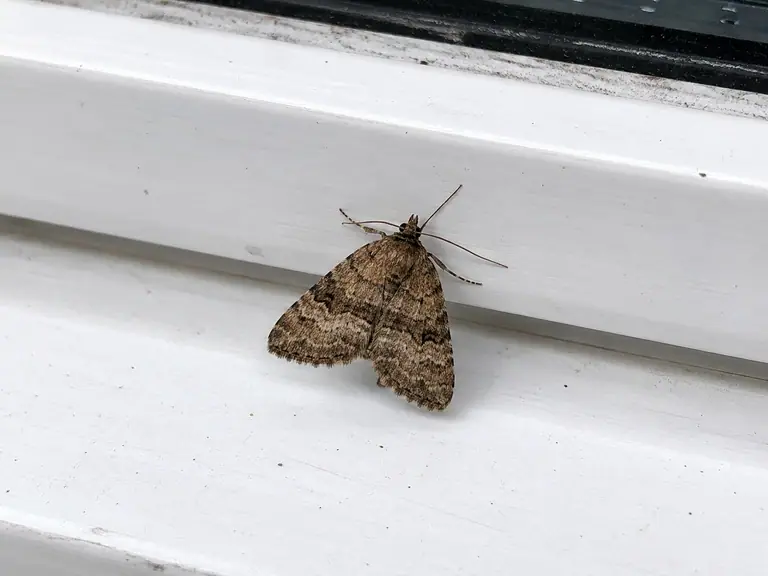
Highgate’s large period houses, converted flats, mews homes and landscaped plots create layered routes above and below street level. Mice can travel along basement pipework and emerge higher in a conversion; squirrels exploit roof edges; moths establish in quiet natural-fibre storage. The correct response begins with the observed pest, but it is shaped by how the building was divided, extended and serviced.
Mouse inspection follows droppings, grease marks, gnawing and sounds across the building’s levels. Lower-ground kitchens and utility cupboards deserve attention where services enter from the rear. In conversions, aligned bathrooms and boxed risers may connect otherwise separate flats. The technician records which areas are clear as carefully as those with evidence, because a negative comparison helps define the route and limit unnecessary treatment.
Secure control and monitoring are placed where the animal is likely to travel, not scattered through every room. Residents receive specific storage and access guidance. Landlord actions may include opening a riser, repairing a basement door or coordinating the communal store. Proofing is staged after monitoring shows how the route functions, with ventilation and services preserved rather than sealed indiscriminately.
Highgate customers should mention lower-ground access, shared hallways and any recurring issue in neighbouring flats when booking. Dates and times of sounds help distinguish likely species. Attendance can often be arranged promptly, but same-day availability is not a guarantee, and complex shared buildings may need a planned second access before the final prevention work is defined.
COMMON LOCAL SCENARIOS
Inspection considers stacked service ducts and an uneven lower-ground junction.
Access, storage and connected spaces are checked.
scratching heard behind a bedroom skirting board
The response is planned around N6 access and building use.
FROM FIRST SIGN TO CONTROL PLAN
A tenant in an N6 garden flat sees a mouse cross the utility room at dusk. The upstairs flat is clear, but faint scratching has been reported beside its bathroom riser.
The tenant seals dry food, keeps the utility door closed and photographs droppings beside the boiler cupboard. They leave the duct cover accessible. The managing agent obtains permission to inspect the upstairs riser and communal basement store, avoiding a visit limited to the room where the mouse happened to be seen.
Fresh mouse droppings and rub marks lead from the rear service entry into the lower-ground duct. A vertical pipe chase aligns with the upstairs bathroom, although no feeding signs are present there. The store remains clear. Outside, the sloping plot brings planted ground close to a damaged vent at the rear, explaining an entry level that was not visible from the street elevation.
Protected control and tracking points are installed in the lower duct and at the riser base. The upstairs point is used for comparison rather than broad treatment. The agent arranges repair of the external vent after the active period, while the tenant follows a focused storage plan. All placements are logged so access can be repeated without disturbing boiler services.
Review confirms contact only at the lower-ground route and no fresh sign upstairs. Once monitoring clears, the vent and internal service annulus are proofed in sequence. This Highgate case shows the value of reading the building in section: the sighting, faint sound and garden-level entry were parts of one route, but they did not justify treating every converted flat.
PANTHER CONTROL MATRIX
Select the closest match. The panel shows the first practical response — without making you identify the pest perfectly.
PANTHER RAPID RESPONSE
Call the London team. Describe what you have noticed and where it is happening.
NEARBY COVERAGE
DIRECT ANSWERS
Yes, especially through aligned pipe chases, but inspection should establish which levels are actually active.
It is often valuable in sloping properties where lower-ground services meet external soil or decking.
No. Comparison monitoring and evidence determine the appropriate scope.
Suitable gaps can be addressed while preserving ventilation and maintenance access; specialist repairs may be referred.
LOCAL PRICE GUIDE
Use these guide prices to understand common treatment starting points; the final quote follows the property and pest details.
| Service | Price from | Typical basis | Notes |
|---|---|---|---|
| Mice and rat control | From £184 | Treatment plan | Scope depends on evidence, access and monitoring needs. |
| Bed bug control | From £204 | Treatment plan | Affected rooms and treatment method determine the scope. |
| Ant and cockroach control | From £184 | Treatment plan | Species, spread and follow-up requirements affect cost. |
| Wasp nest treatment | From £89 | Accessible nest treatment | Nest position and safe access affect the final price. |
| Pest inspection | From £62 | Inspection visit | Property type and access may affect scope. |
Property size, infestation spread, access, treatment method and the visits required can change the final price.
View all pest control prices or call 020 3404 5177 for the appropriate scope.