
Why London Properties Are More Prone to Pest Infestations
Understanding the real reasons pest problems are so common in London homes
A pest infestation in London properties is far more common than in many other parts of the UK, but it’s rarely just down to cleanliness. Even well-maintained homes can experience issues with rats, mice, cockroaches, ants, and other pests.
The main reason is not one single factor, but a combination of building structure, urban density, and how pests naturally move through city environments. London simply gives pests more opportunities to enter, hide, and spread between homes.
What makes pest problems more common in London homes
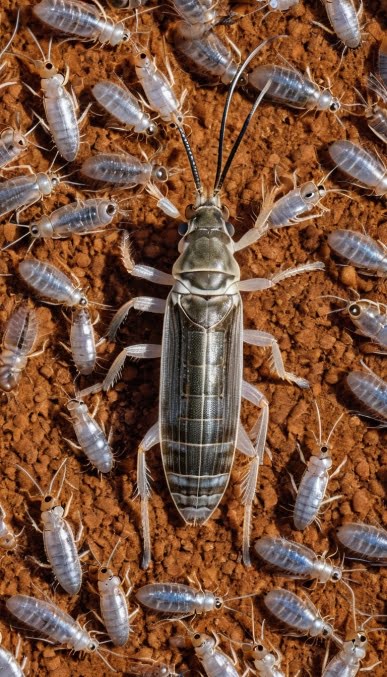
Pest issues are far more common in London than many homeowners expect. A pest infestation in London properties doesn’t usually happen because of poor hygiene alone. In most cases, it’s the result of how buildings are designed, how densely people live, and how easily pests can move between homes.
London is a city made up of connected structures. Terraced houses, converted flats, basements, and older Victorian buildings all share walls, pipe systems, and drainage networks. This gives pests like rats, mice, and cockroaches multiple hidden routes to travel without being seen.
One of the biggest reasons for a pest problem in London homes is access. Even a tiny gap around pipework, vents, or brickwork is enough for rodents to enter. Once inside, they can move through cavities and reach neighbouring properties.
Another factor is age. Many London buildings have been standing for decades, sometimes centuries. Over time, wear and tear creates cracks, loose air bricks, and weakened seals around doors and windows. These small weaknesses become entry points for pests.
Waste management also plays a role. In busy residential areas, bins are often stored outside or in shared spaces. Overflowing rubbish attracts rodents and insects, increasing the risk of a pest infestation in urban London areas.
Inside the property, pests are drawn to warmth and food sources. Kitchens, basements, and boiler cupboards provide ideal conditions for nesting and feeding, especially during colder months.
Once pests establish themselves, they rarely stay in one place. In London, they can move easily between flats or houses, making infestations harder to control without sealing entry points properly.
Understanding these conditions helps explain why pest issues are so common across London properties.
The real reasons pests thrive in London housing

Dense housing and shared structures make movement easier
One of the biggest reasons for a pest problem in London homes is how close properties are built together.
Terraced houses, converted flats, and older mansion blocks often share:
- Walls and loft spaces
- Basement voids
- Service ducts and pipe channels
- Drainage systems
This means pests don’t need to “break into” every home separately. A rat in one property can move through wall cavities or drainage routes and appear in another home without being seen.
In modern housing, even though construction is tighter, shared service routes and underground systems still provide hidden movement paths.
Older buildings naturally develop entry points over time
Many London properties are decades or even centuries old. Over time, normal wear and tear creates small structural gaps that pests take advantage of.
Common entry points include:
- Cracks in brickwork
- Gaps around pipework under sinks
- Loose air bricks and vents
- Worn window and door seals
Even a gap of a few millimetres can be enough for mice to enter. Once inside, they can travel through wall voids and floor spaces, staying completely hidden.
This gradual deterioration is a key reason a pest infestation in London properties can start without any obvious warning.
Underground drainage systems create hidden access routes
London’s drainage network is one of the most common pathways for rodents.
Rats in particular travel through sewer systems and can enter homes through:
- Broken drain pipes
- Unsealed inspection covers
- Damaged junctions in older pipework
Because these systems connect multiple buildings, pests can move across large areas without ever needing to come above ground.
This is why even clean homes can still experience a rodent pest problem in London, especially if drainage access points are compromised.
Waste and food availability in urban environments
Another major factor is food access. In densely populated areas, waste builds up quickly and provides a constant food source for pests.
Common attractants include:
- Overflowing communal bins
- Food waste left in open bags
- Spillage in bin storage areas
- Outdoor dining waste in warmer months
Once pests are drawn into the area, they only need a small opening to enter nearby homes.
In many cases, the infestation begins outside before moving indoors.
Warmth and shelter inside homes attract pests year-round
Once pests enter a property, they are drawn to specific areas that offer warmth, safety, and food.
In London homes, common nesting zones include:
- Kitchens behind appliances
- Loft insulation spaces
- Boiler cupboards
- Under floorboards and voids
These areas are quiet and rarely disturbed, allowing pests to settle and breed unnoticed.
This is especially common during colder months when rodents actively move indoors.
Pests spread easily between neighbouring properties
Unlike rural homes, London properties are rarely isolated. Once a pest population establishes itself in one building, it can easily spread.
This is particularly common in:
- Flats above shops
- Converted Victorian houses
- Basement apartments
- Semi-detached and terraced housing
Shared walls and service routes mean a pest infestation in London homes can move from one property to another without visible entry points.
Why infestations often go unnoticed at first
One of the biggest challenges in London is that pest activity often starts in hidden areas.
Early signs like scratching noises, droppings, or damaged packaging may not be noticed until the infestation has already grown.
Because pests are naturally cautious, they avoid open areas and remain within wall voids or behind fixtures until populations increase.
By the time they become visible, they are usually well established.
How professional pest control addresses the root cause
Effective pest control in London is not just about removing visible pests. It involves identifying how they entered and why they were able to stay.
A professional inspection typically includes:
- Checking pipe entry points and gaps
- Inspecting lofts and wall cavities
- Assessing drainage access routes
- Identifying nesting areas and food sources
Once the infestation is treated, sealing entry points is essential to prevent recurrence.
Without proofing work, pests often return through the same hidden routes.
Final thoughts
London properties are more prone to pest infestations due to a combination of structural design, ageing buildings, shared systems, and high urban density.
Pests don’t need large openings or extreme conditions to enter — they only need small weaknesses in the structure and access to food or shelter nearby.
Understanding these factors helps explain why pest issues are so common in the city and why early detection and prevention are so important for long-term control.
Request a free quote
Contact us today to request your free, no-obligation quote and take the first step toward a pest-free environment.

Al Joel is a practical writer and long-term property maintenance specialist who focuses on real-world pest control, home safety, and prevention advice. His blog posts are written in a clear, no-nonsense style, based on hands-on experience rather than theory. Al’s goal is simple: to help homeowners make safe, informed decisions and know when DIY is reasonable and when professional help is the smarter option.