
The Most Dangerous Spiders in the World
The Most Dangerous Spiders in the World
Spiders are among the most misunderstood creatures on the planet. While the vast majority are harmless to humans, a small number of species possess potent venom capable of causing serious medical complications. Encounters with these spiders are rare, but knowing which ones are genuinely dangerous — and why — helps separate real risk from myth.
Find pest controller near you
Below is a realistic, fact-based look at the most dangerous spiders in the world, where they live, and what makes them a threat.



What Makes a Spider Dangerous?
A spider’s danger level depends on three main factors:
- Venom potency
- Likelihood of biting humans
- Availability of medical treatment
Many spiders have venom strong enough to kill insects, but only a handful can seriously harm humans. In most cases, spiders bite only when trapped, disturbed, or threatened.
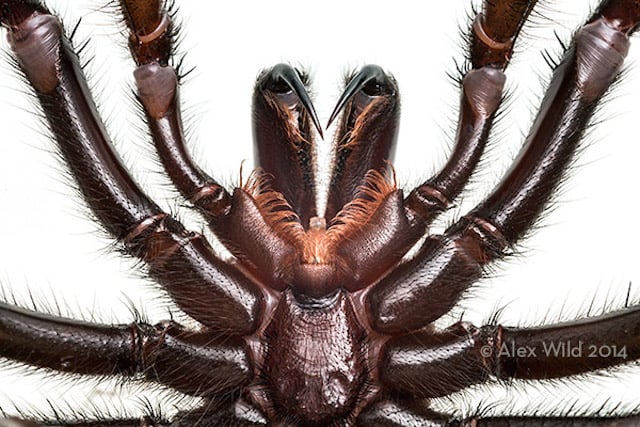
1. Sydney Funnel-Web Spider (Australia)
Often considered the most dangerous spider in the world, the Sydney funnel-web is responsible for the most severe spider envenomations recorded.
This spider is highly aggressive and delivers venom that attacks the nervous system. What makes it particularly dangerous is that it can inject large amounts of venom in a single bite.
Symptoms may include:
- Severe pain
- Muscle spasms
- Breathing difficulties
- Increased heart rate
Without treatment, bites were once frequently fatal. Thankfully, antivenom has made deaths extremely rare today — but this spider remains at the top of the danger list.
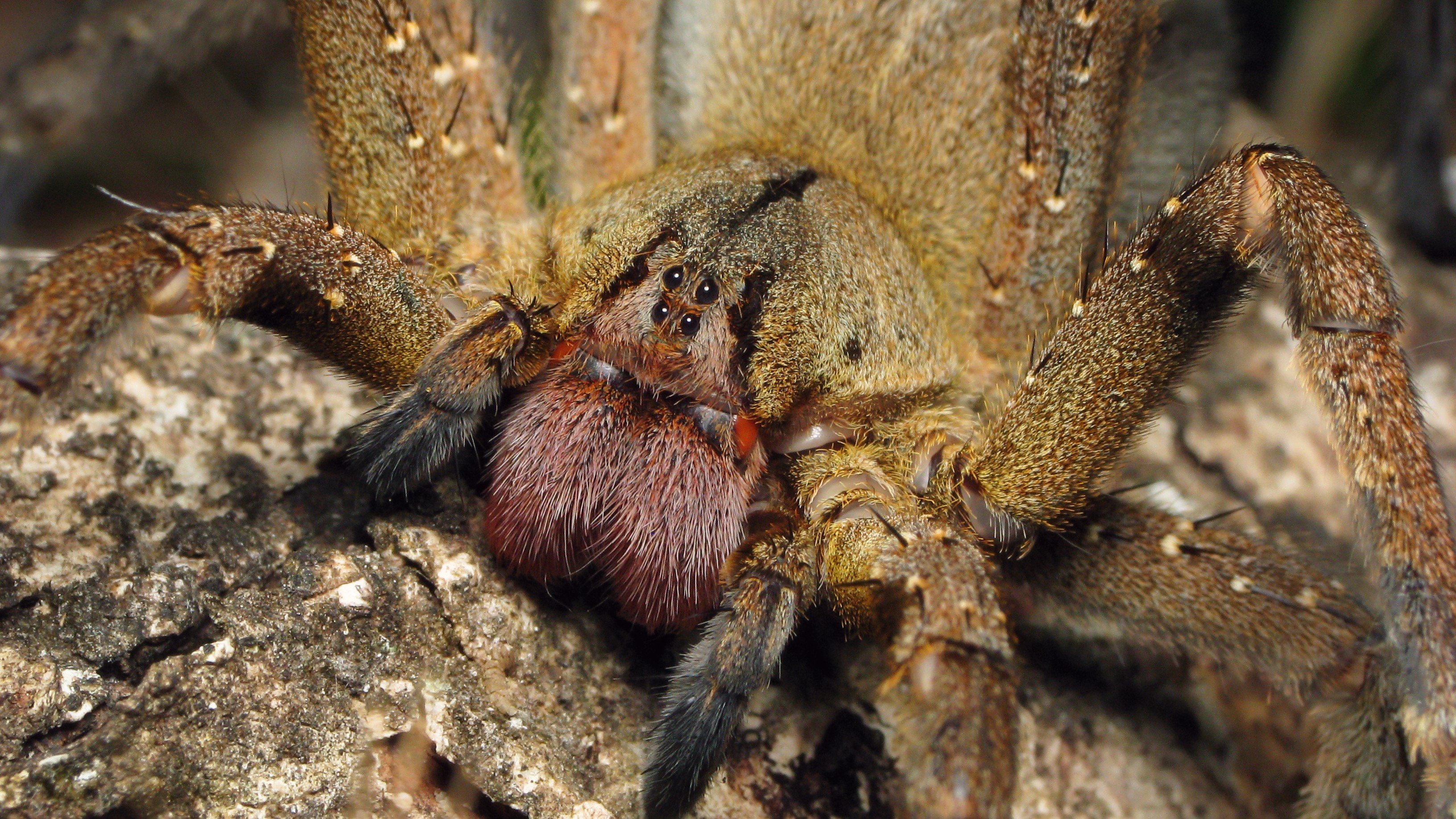
2. Brazilian Wandering Spider
Also known as the banana spider, this species is infamous for both its venom and its behaviour.
Unlike web-dwelling spiders, it actively wanders in search of prey, increasing the chance of human contact. It is often found hiding in shoes, clothing, and fruit shipments.
Its venom can cause:
- Intense pain
- Muscle paralysis
- Breathing problems
- Severe neurological effects
In rare cases, untreated bites can be fatal, especially in children or vulnerable individuals.
3. Black Widow Spider
Easily recognisable by the red hourglass marking on the abdomen, black widows are found across North America, Europe, and parts of Asia.
Their venom is neurotoxic, meaning it affects the nervous system rather than destroying tissue.
Bite symptoms include:
- Severe muscle cramps
- Abdominal pain
- Sweating
- Nausea
While bites are rarely fatal, they can be extremely painful and require medical treatment, especially for children or the elderly.
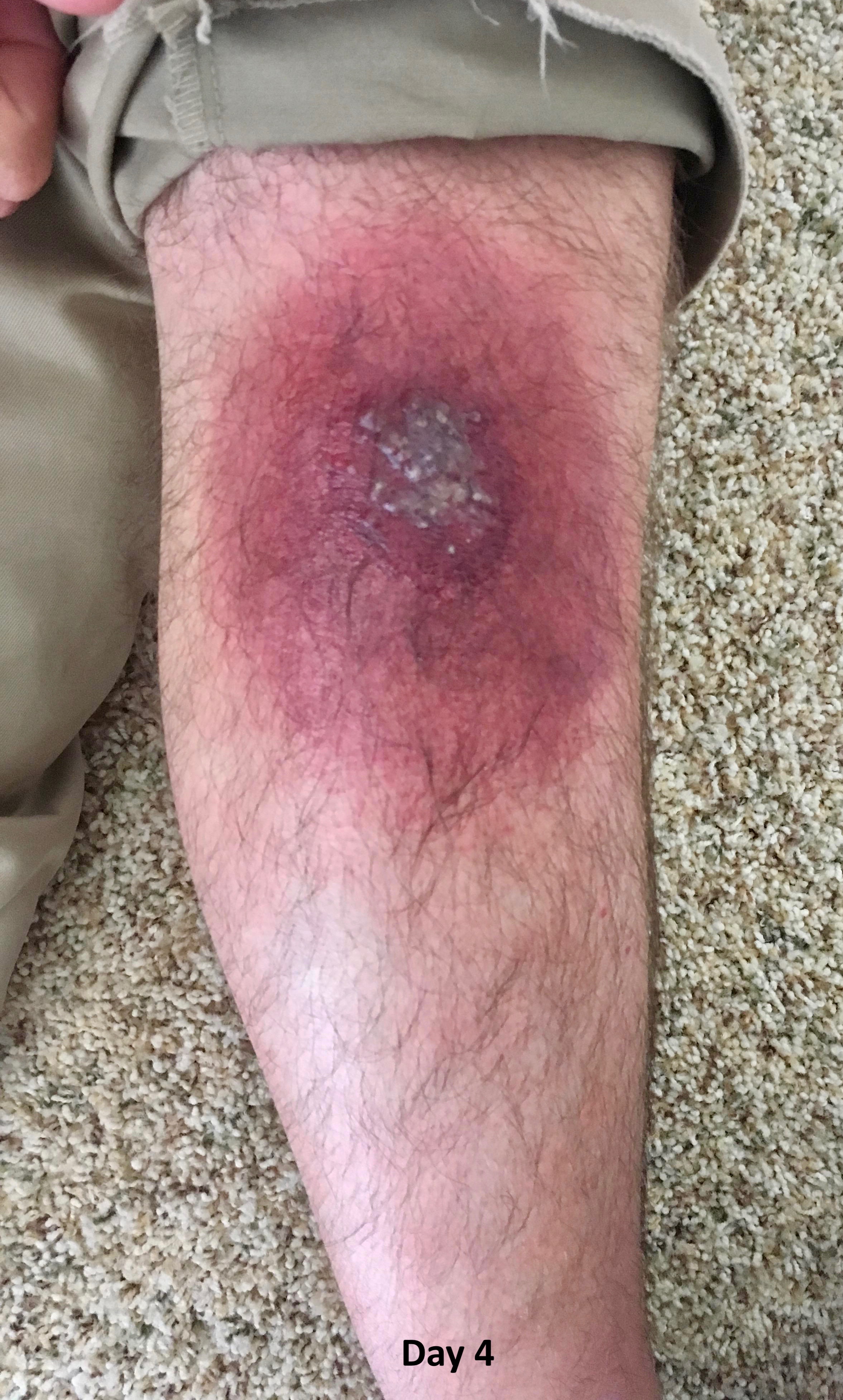
4. Brown Recluse Spider
The brown recluse is notorious not for aggression, but for its necrotic venom, which can cause tissue death around the bite site.
It is commonly found in dark, undisturbed areas such as basements, cupboards, and storage spaces.
Possible effects include:
- Open wounds
- Skin necrosis
- Slow-healing ulcers
- In rare cases, systemic illness
Most bites heal without serious issues, but severe cases can require surgery or long-term wound care.
5. Six-Eyed Sand Spider
This desert-dwelling spider is extremely reclusive and rarely encountered, but its venom is considered among the most potent in the spider world.
The venom causes:
- Severe internal bleeding
- Tissue destruction
- Organ damage in laboratory studies
There are very few confirmed bites, but based on venom studies, this spider is considered theoretically very dangerous.
6. Mouse Spider
Often confused with funnel-web spiders, mouse spiders also possess powerful venom and large fangs.
Although bites are rare, they can cause serious symptoms similar to funnel-web envenomation. Antivenom used for funnel-web spiders is also effective against mouse spider bites.
7. Redback Spider
Closely related to the black widow, the redback spider is common in Australia.
Its venom causes:
- Severe local pain
- Sweating
- Muscle weakness
- Nausea
Bites can be serious but are rarely life-threatening thanks to effective antivenom.
How Common Are Fatal Spider Bites?
Despite their fearsome reputation, spider bite deaths are extremely rare worldwide. Modern medicine, antivenoms, and fast emergency response have drastically reduced fatalities.
Most serious bites occur when:
- A spider is trapped against the skin
- Someone puts on clothing or shoes where a spider is hiding
- The spider is deliberately handled
Are Dangerous Spiders Found in the UK?
No.
The UK does not have spiders capable of causing life-threatening bites. Even the most feared UK species cause only mild to moderate reactions in rare cases.
This means that while spiders may be unpleasant to encounter, they pose no serious medical risk in the UK.
What to Do If You’re Bitten by a Spider
If you believe you’ve been bitten by a dangerous spider:
- Wash the area with soap and water
- Apply a cold compress
- Seek medical attention immediately if pain, swelling, or systemic symptoms develop
- Do not attempt to capture the spider unless it can be done safely
Why Spiders Still Matter
Spiders play a crucial role in controlling insect populations. Even dangerous species do not seek human contact and bite only as a last defence.
Fear often comes from misunderstanding rather than real danger.


Final Thoughts
Only a very small number of spiders worldwide are genuinely dangerous to humans. While their venom can be severe, encounters are rare, and fatalities are even rarer.
Understanding which spiders pose real risks — and which are harmless — helps replace fear with awareness. For most people, spiders are far more beneficial than dangerous, even if they’re not always welcome house guests.
- The Most Dangerous Spiders in the World
- Why Do I Keep Finding Silverfish in My Bathroom?
- Scratching Noises in Walls at Night – What Is It?
- How Common are Bed Bugs in the UK Today?
- Chemical Pest Control Methods

Al Joel is a practical writer and long-term property maintenance specialist who focuses on real-world pest control, home safety, and prevention advice. His blog posts are written in a clear, no-nonsense style, based on hands-on experience rather than theory. Al’s goal is simple: to help homeowners make safe, informed decisions and know when DIY is reasonable and when professional help is the smarter option.