How to Get Rid of Rats in Walls
Rats inside walls are one of the more stressful problems UK homeowners deal with, particularly in terraced houses, flats, and older properties where structures are connected. The issue often starts subtly — a faint scratching sound at night — but quickly becomes persistent. By the time the noise is regular, rats are usually already established within the wall cavities.
Unlike pests you can see, rats inside walls are hidden. They use internal voids to move around the property without being exposed, which makes the problem harder to control if not approached properly.

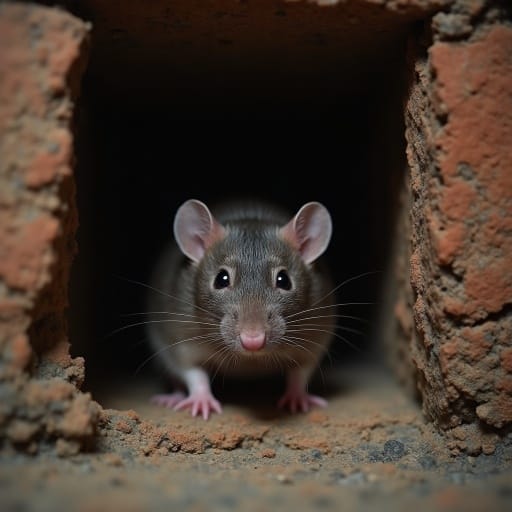
Rats don’t enter walls by accident. They are looking for three things: warmth, food, and safety. Wall cavities provide all of these. They are sheltered, rarely disturbed, and allow rats to move between areas of the house without being seen.
In UK homes, especially in cities like London, buildings are often connected. This allows rats to travel between properties through shared walls, lofts, and floor voids. Even if your home is clean and well-maintained, neighbouring activity can still affect you.
Once inside, rats establish routes. They tend to follow the same paths repeatedly, which is why the noise often happens in the same place at similar times each night.
Common signs of rats in walls
The most obvious sign is noise. Rats are nocturnal, so activity is usually heard late at night or early in the morning. The sound is often described as scratching, scurrying, or gnawing. Compared to mice, rats sound heavier and more deliberate.
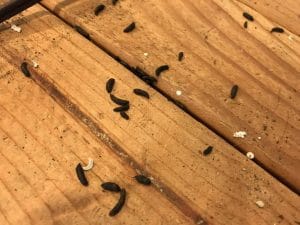
Other signs include droppings near skirting boards, inside cupboards, or under sinks. You may also notice smear marks along walls — these are caused by the oils in their fur as they follow the same routes.
In some cases, there may be a faint, unpleasant smell if the infestation is more advanced.
How rats get into wall cavities
Rats only need a very small gap to enter a property — often as little as 15–20mm. This means even minor structural issues can become entry points.
Common access areas include gaps around external pipes, broken air bricks, damaged brickwork, and poorly sealed extensions. In many cases, the entry point is at ground level near bins, drains, or garden areas.
In flats and terraced houses, rats may not enter directly from outside. Instead, they can move through internal structures from neighbouring properties, making the source harder to identify.
Why rats in walls are difficult to remove
The main challenge is access. Rats inside walls are not visible, and they move through narrow cavities that are difficult to reach. This makes traditional methods like placing traps in open areas far less effective.
Rats are also cautious animals. They tend to avoid new objects in their environment, especially if they are not placed correctly. This is why many DIY attempts fail — not because the tools don’t work, but because they are not used in the right locations.
Without identifying entry points and understanding movement patterns, the infestation often continues.
Step-by-step: how to get rid of rats in walls
Effective rat control follows a structured process rather than a quick fix.
The first step is identifying where the activity is strongest. This usually involves listening for noise patterns and checking for signs such as droppings or gnaw marks.
Next comes an external inspection. This is critical, as most infestations originate from outside. Gaps around pipes, vents, and brickwork must be identified.
Inside the property, attention is focused on high-risk areas such as kitchens, lofts, and hidden voids. These are the most common locations where rats travel or nest.
Once activity zones are confirmed, bait stations are placed along known routes. These are secure, enclosed units containing rodenticides, designed to control the population safely. Placement is key — they must be positioned where rats naturally move.
In some cases, traps are also used, particularly in areas where activity is concentrated and accessible.
After the population is reduced, the most important step is proofing. This involves sealing all identified entry points using materials such as wire mesh, cement, or specialist fillers. Without this step, new rats will eventually enter and restart the cycle.
Finally, follow-up checks ensure the treatment has worked and no further activity is present.
What to expect after treatment
Rat control is not immediate. After treatment begins, activity usually decreases within a few days, but full resolution can take one to three weeks depending on the severity.
Some noise may still be heard during this period as rats come into contact with treated areas. This is normal and part of the process.
Follow-up visits or checks help confirm that the infestation is fully under control.
Problem → solution: a real-life scenario
A typical situation involves a homeowner hearing scratching in a bedroom wall during the night. Over time, the noise spreads to the kitchen area.
On inspection, a gap is found around an external waste pipe. Rats are entering from outside, moving through the wall cavity, and accessing the kitchen void.
The solution involves placing bait stations along internal routes, treating affected areas, and sealing the external entry point. Within a couple of weeks, the activity stops.
Without sealing the gap, the problem would have returned.
Why DIY methods often fail
Many homeowners attempt to deal with rats themselves first. While understandable, there are common issues that limit success.
Traps are often placed in visible areas rather than along actual rat routes. Bait is sometimes used without proper containment, reducing effectiveness and increasing risk. Entry points are frequently overlooked, allowing new rats to enter.
Rats are intelligent and cautious. If something feels unsafe, they avoid it. Effective control requires understanding their behaviour, not just using products.
Safety considerations
Rats can cause more than just noise. They are known to chew electrical wiring, which can create fire hazards. Their droppings and urine can contaminate surfaces and spread bacteria.
Improper use of rodenticides can also create risks for pets and wildlife. Safe, controlled placement is essential.
How to prevent rats from coming back
Once the issue is resolved, prevention becomes the priority.
Keeping external areas clean and free of food waste is important. Bins should be secured with tight lids, and pet food should not be left outside.
Regularly checking the property for small gaps or damage can help catch problems early. Maintaining drains and sealing openings reduces the likelihood of future infestations.
In urban areas, complete prevention is difficult, but reducing access points makes a significant difference.
When to call a professional
If the problem continues despite attempts to control it, or if the source cannot be identified, professional help is usually the best option.
This is particularly important when rats are active in multiple areas such as walls, lofts, and floors at the same time.
A structured approach that includes inspection, treatment, and proofing is what resolves the issue properly.
Final thoughts
Rats in walls are a common issue in UK homes, but they can be dealt with effectively when approached correctly.
The key is not just removing the rats you hear, but understanding how they entered and how to stop them coming back. A combination of inspection, targeted treatment, and proper proofing is what leads to long-term control.
Acting early makes the process easier and prevents the problem from spreading further.
Request a free quote
Contact us today to request your free, no-obligation quote and take the first step toward a pest-free environment.

Al Joel is a practical writer and long-term property maintenance specialist who focuses on real-world pest control, home safety, and prevention advice. His blog posts are written in a clear, no-nonsense style, based on hands-on experience rather than theory. Al’s goal is simple: to help homeowners make safe, informed decisions and know when DIY is reasonable and when professional help is the smarter option.