
15 Most Common Places Where You Will Find Spiders In Your Home
15 Most Common Places Where You’ll Find Spiders in Your Home
-
Dark, quiet areas with little human activity
-
Places with insects, their main food source
-
Warm, sheltered spots inside and outside the house
-
Cluttered or rarely cleaned spaces
There are over 650 spider species in the UK, and many of them are perfectly adapted to living in homes and other man-made buildings. Spiders don’t wander indoors randomly — they enter homes in search of shelter, warmth, and prey. Once inside, they can hide almost anywhere.
Below are the most common places spiders choose to hide in and around your home, along with practical tips on how to make those areas less inviting.
15 Most Common Places Where You’ll Find Spiders
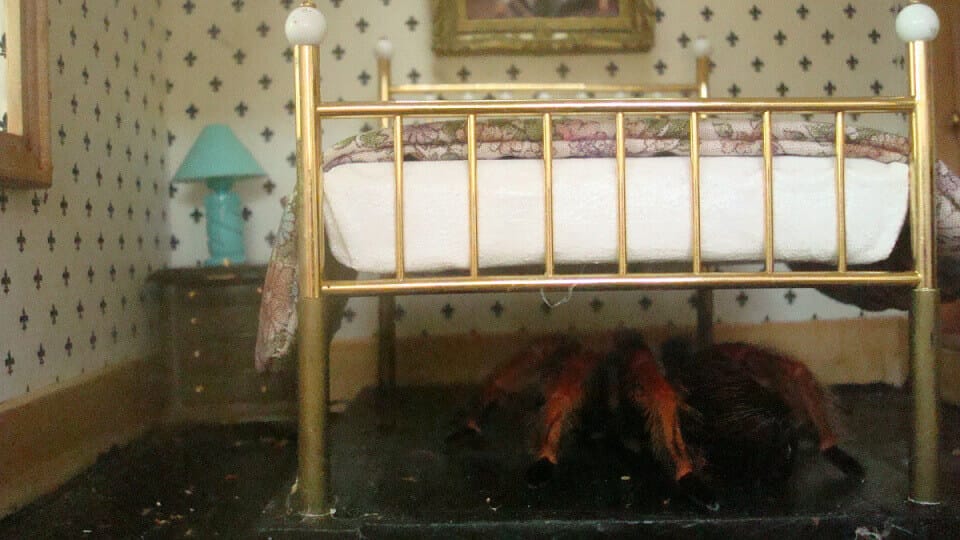
1. Under Furniture – A Perfect Hiding Spot
Spiders value privacy, and the dark space under sofas, beds, and tables offers exactly that. These areas are rarely disturbed and often attract insects.
Regular vacuuming under furniture removes spiders, webs, and egg sacs before populations grow.
2. Under the Sink – Water Access Matters
Some spiders need occasional access to water, making the space under sinks attractive, especially if there are leaks or moisture.
Fixing leaks quickly and cleaning under sinks regularly can discourage spiders from settling there.
3. Cluttered Areas – A Spider Favourite
Basements, attics, and garages filled with unused items create ideal spider habitats. Clutter attracts insects, which then attract spiders.
Decluttering is one of the most effective spider-prevention methods.
4. Cardboard Boxes – Hidden Risks
Boxes left untouched for long periods often become spider shelters. Spider egg sacs can easily go unnoticed inside stored items.
Avoid long-term storage of cardboard boxes and inspect contents before moving them.
5. Woodpiles and Rocks – Handle With Care
Spiders commonly hide under woodpiles, stones, and garden debris. Bringing firewood indoors significantly increases the risk of spiders entering your home.
Store wood outside, covered and away from walls, and always check before lifting.
6. Door Frames – Easy Entry Points
Spiders often settle around door frames and gaps. Sealing cracks reduces access.
Natural scents like citrus can help deter spiders from doorways and frames.
7. Sheds – Ideal Spider Shelters
Sheds provide darkness, warmth, and insects. Gardening tools, pots, and stored items create perfect conditions for spiders.
Regular cleaning and web removal helps keep sheds spider-free.
8. Garages – A Common Entry Zone
Garages are often dark, cluttered, and connected to the house. During colder months, spiders move from garages indoors.
Seal entry points and keep corners clear and clean.
9. Barns and Outbuildings
Less frequently used buildings allow spiders to thrive year-round. Webs and egg clusters can multiply quickly if ignored.
Routine cleaning and vacuuming prevent heavy infestations.
10. Ceiling Corners – The Classic Spot
Ceiling corners are among the most common spider locations. They provide height, shelter, and easy access to flying insects.
Removing webs early prevents spiders from laying eggs and spreading further.
11. Window Sills – Inside and Out
Windows attract insects, which in turn attract spiders. Webs often build up between frames and screens.
Clean window sills regularly and seal gaps and crevices.
12. Well-Lit Areas – Insects Bring Spiders
Lights attract insects at night, and spiders follow. Lamps, outdoor lights, and porch lighting often become web hotspots.
Reducing insect activity reduces spider presence naturally.
13. Wall Cracks and Decorations
Small cracks, picture frames, and wall decorations provide excellent anchoring points for webs.
Sealing cracks helps eliminate spider hiding spots.
14. Gardens and Vegetation
Bushes, shrubs, and overgrown plants near walls allow spiders easy access indoors.
Keeping vegetation trimmed reduces both insects and spiders.
15. Closets – Dark and Undisturbed
Closets are quiet, dark, and rarely cleaned thoroughly. Spiders may hide high up or behind stored clothes.
Using cedar blocks or hangers and keeping closets clean helps deter spiders.
Is Your Home Being Invaded by Spiders?
Spiders are rarely dangerous, but large numbers can be unsettling. The key to control is eliminating their food source and reducing hiding spots.
If spider activity becomes persistent or overwhelming, professional spider pest control is the safest and most effective solution.
Gallery

Al Joel is a practical writer and long-term property maintenance specialist who focuses on real-world pest control, home safety, and prevention advice. His blog posts are written in a clear, no-nonsense style, based on hands-on experience rather than theory. Al’s goal is simple: to help homeowners make safe, informed decisions and know when DIY is reasonable and when professional help is the smarter option.