All Pest Control · LONDON
Queen Wasp Compared to a Normal Wasp
Al JoelAl Joel is a practical writer and long-term property maintenance specialist focused on real-world pest control, home safety and prevention advice. His guides translate common warning signs into clear next steps for homeowners, tenants, landlords and property…

Queen Wasp vs Worker Wasp – What’s the Difference?
Understanding the difference between a queen wasp and a normal (worker) wasp can help homeowners recognise potential nest activity and take action early.
A queen wasp is noticeably larger than worker wasps and is responsible for starting new nests in spring. While worker wasps focus on foraging and nest maintenance, the queen’s role is to reproduce and grow the colony. Spotting a queen wasp early in the season often indicates that a nest may soon develop nearby.
Queen Wasp vs Normal Wasp – A Complete Guide
There is a growing interest among homeowners in understanding the difference between a queen wasp and a normal (worker) wasp. At Panther Pest Control, we frequently receive questions about wasp behaviour, nesting habits, and how infestations begin.
To help, we’ve created this detailed and easy-to-understand guide covering the most common questions about queen and worker wasps.
👉 In this article, you’ll learn:
-
How a wasp becomes a queen
-
How queen and worker wasps live and behave
-
Where wasps hibernate
-
When nests start forming
-
Whether killing the queen stops the nest
🧬 How Does a Wasp Become a Queen?
A queen wasp develops from a fertilised egg, just like worker wasps. The difference lies in how the larvae are raised, not genetics.
Inside the nest, the existing queen selects certain female larvae to become future queens. These larvae receive:
-
🥩 Special nutrition
-
🧪 Hormonal signals
-
🛡️ Extra care and protection
Scientists believe these hormonal and dietary changes cause the larvae to grow larger, stronger, and reproductively capable, turning them into new queen wasps.
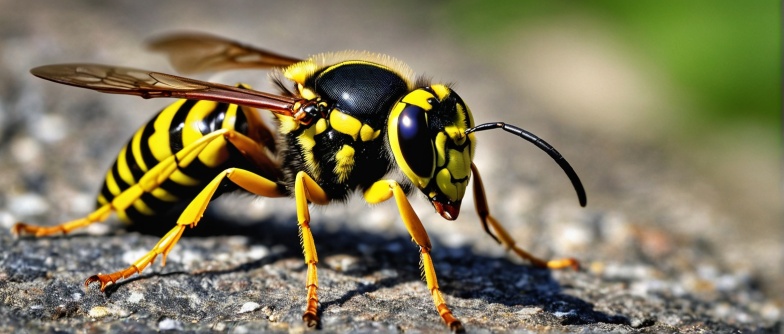
📏 Queen Wasp Size – How Big Is a Queen Wasp?
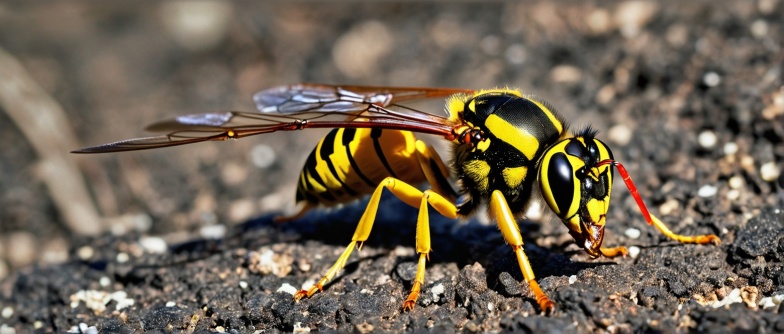
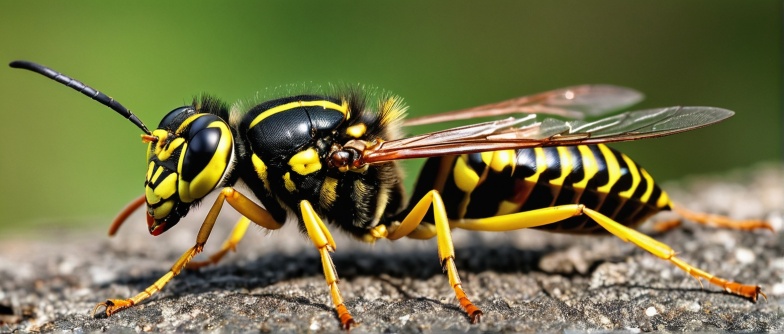
At first glance, queen wasps can look very similar to workers, making identification tricky 👀.
However, in some species (such as yellow jackets), queens are:
-
Slightly longer (around 0.6 cm difference)
-
More robust in body shape
-
Have a pointed lower abdomen
Most wasps reach a length of 2.5 – 3.8 cm, depending on the species.
🔍 How to Identify a Queen Wasp
Identifying a queen wasp isn’t always easy, but there are a few clues:
✔️ Slightly larger body
✔️ Narrower waist
✔️ Pointed abdomen
⚠️ With some species, such as paper wasps, there is no visible difference at all.
💡 Key tip: Queen wasps are the only wasps that survive winter.
If you see a single wasp indoors in winter or early spring, it is almost certainly a queen.
❄️ Where Do Queen Wasps Hibernate?
Queen wasps hibernate in quiet, sheltered spaces that protect them from cold, moisture, and predators 🕷️.
Common hibernation spots include:
-
Wall cracks and cavities
-
Lofts and roof voids
-
Garages and sheds
-
Under tiles and cladding
🚨 Despite this, most queen wasps do not survive winter. Many are eaten by predators, while others wake too early during mild winters and die from starvation.
Early emergence is especially dangerous with hornets, particularly Asian hornets, which pose a serious ecological threat.
🐝 Where Do Normal Wasps Hibernate?
Normal worker wasps do not hibernate ❌.
As temperatures drop:
-
Food sources disappear
-
Workers weaken and die
-
The nest collapses
Only fertilised queens survive winter and restart the cycle in spring.
🌸 When Do Queen Wasps Come Out of Hibernation?
Queen wasps emerge in early spring as temperatures rise 🌤️.
At this stage, the queen must:
1️⃣ Find a safe nesting location
2️⃣ Gather building materials
3️⃣ Build the first nest cells
4️⃣ Lay eggs and hunt for food
🏠 Wasps often choose lofts, sheds, garages, and wall cavities, especially if these areas remain warm during winter.
🍯 What Do Queen Wasps and Normal Wasps Eat?
👑 Queen Wasp Diet
After hibernation, queens feed on:
-
Nectar
-
Tree sap
-
Fruit
Once eggs are laid, they hunt insects to provide protein-rich food for larvae.
🐝 Normal Wasp Diet
Worker wasps spend most of their lives:
-
Hunting insects and spiders 🕷️
-
Feeding larvae to support colony growth
Some species are omnivorous and also eat:
-
Fallen fruit
-
Dead insects
⚠️ A few species, such as beewolf wasps, prey on honeybees, which can be harmful to the environment.
🏗️ How Do Queen Wasps Build Nests?
Nest building starts immediately after hibernation 🏠.
🔹 Step 1: Scavenging Materials
Queens collect chewed wood, fabric, saliva, and wax to form a paper-like structure.
🔹 Step 2: Egg Laying
Once the first cells are built, the queen lays eggs and hunts to feed the larvae.
🛠️ What Do Normal Wasps Do?
Worker wasps take over:
-
🐜 Hunting for food
-
🧹 Maintaining and expanding the nest
-
🛡️ Protecting the colony
Some species even steal food or lay eggs in other nests, while solitary wasps build individual cells for each larva.
💉 Queen Wasp Sting – Is It More Dangerous?
A queen wasp’s sting is not more dangerous than a worker’s sting ⚠️.
The sting may be slightly larger, but the venom strength is the same. Wasps sting mainly:
-
In self-defence
-
When their nest or queen is threatened
All wasp stings contain venom and should be taken seriously, especially for allergy sufferers.
❌ Does Killing the Queen Wasp Stop the Nest?
Yes — but timing is crucial ⏱️.
✔️ Killing the queen before eggs are laid can prevent a nest
✔️ Killing her in winter or early spring is most effective
Once workers are active, removing the queen alone will not stop the colony.
🛑 Wasp Control & Nest Removal – Panther Pest Control
If you’re dealing with wasps, early action makes all the difference.
🐝 Panther Pest Control offers:
-
Professional wasp nest removal
-
Safe, effective wasp extermination
-
Fast response across London
-
Residential and commercial services
📞 Contact us 24/7 for expert advice and a precise quote.
Panther Pest Control – protecting your property from pests, all year round.
Call Us

Al Joel is a practical writer and long-term property maintenance specialist focused on real-world pest control, home safety and prevention advice. His guides translate common warning signs into clear next steps for homeowners, tenants, landlords and property managers.His approach begins with correct identification. A sighting in one room may originate from a neighbouring flat, service riser, drainage, roof space, delivery or communal waste area. Al explains how to preserve useful evidence, reduce food and water sources, avoid spreading activity and choose proportionate treatment.What readers can expectClear identification clues and practical inspection stepsSafe preparation, cleaning and aftercare guidancePrevention advice for homes, flats and commercial premisesHonest guidance on when DIY is reasonable and when professional help is the smarter optionWhen professional help makes senseRepeated sightings, activity in several rooms, uncertain identification, vulnerable occupants or signs involving food, electrics and shared building routes deserve a professional inspection. A lasting solution normally combines targeted treatment with proofing, hygiene and follow-up monitoring.Explore the Pest Library, learn how treatment works, or request property-specific advice.