
How Much Does Pest Control Cost in London? (2026 Price Guide)
How Much Does Pest Control Cost in London?
Pest control pricing in London varies depending on the type of pest, the level of infestation, and the work required to resolve it properly. While many companies advertise starting prices, the actual cost usually reflects the time, number of visits, and treatment methods involved.
This guide explains realistic 2026 price ranges and what homeowners, tenants, and landlords can expect when booking pest control services in London.
Average pest control cost in London
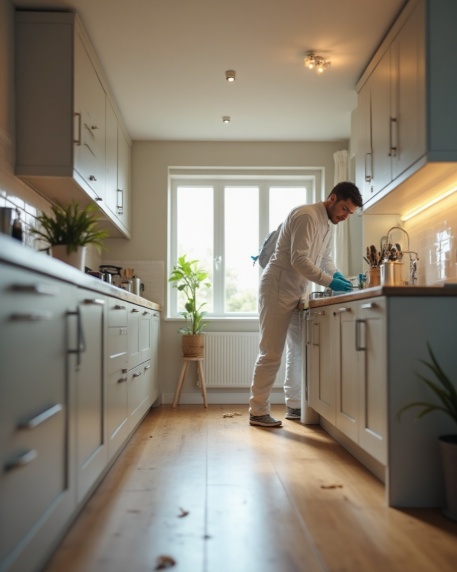
For most residential jobs, pest control in London falls within a predictable range.
Basic or minor issues are often resolved for around £80 to £180. Standard treatments for common pests typically range between £150 and £350. More complex infestations, especially those requiring multiple visits, can cost between £300 and £600 or more. Specialist treatments, such as heat treatments for bed bugs, can exceed £800 depending on the size of the property.
These figures reflect real working conditions in London, where access, parking, and property layout often affect how long a job takes.
Pest control prices by pest type
Different pests require different treatment approaches, which directly affects pricing.
Rat control
Rat problems are one of the more common and time-consuming services in London. A typical treatment usually ranges from £200 to £350. This often includes multiple visits, use of bait stations, and monitoring.
Costs increase when rats are active in wall cavities, lofts, or drains, as these situations require more detailed inspection and follow-up.
Mice control
Mice treatments are usually slightly cheaper than rat control. Most jobs fall between £120 and £250. In smaller flats, a single visit may be enough, but in many cases a follow-up is required to confirm activity has stopped.
If proofing work is needed, such as sealing gaps, the overall cost can increase.
Bed bug treatment
Bed bugs are among the most expensive pests to treat due to the need for repeated visits and specialist methods. Chemical treatments typically range from £200 to £450 depending on the number of rooms.
Heat treatments, which are sometimes required for severe infestations, can cost between £600 and £1200 or more. The price depends on property size and preparation requirements.
Cockroach treatment
Cockroach infestations are usually treated with gel applications and targeted insecticides. Most treatments fall between £150 and £300. In many cases, one or two visits are enough, although follow-up may be required in larger infestations.
Ants and other insects
Smaller insect problems, such as ants, are generally quicker to resolve. Costs typically range from £120 to £250 depending on access to the nest and whether repeat visits are needed.
Wasp nest removal
Wasp nest treatments are usually straightforward and often completed in one visit. Prices typically range from £60 to £150 depending on access and height.
What is included in the cost
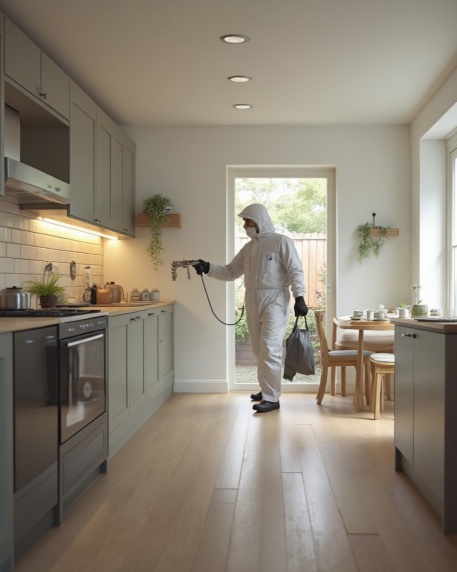
A proper pest control service includes more than just applying treatment. The cost usually reflects a full process.
This includes inspection of the property, identification of the pest, selection of the correct treatment method, and safe application. For many pests, especially rodents and bed bugs, follow-up visits are included to monitor progress and complete the treatment.
Advice on prevention is also part of the service. This helps reduce the risk of the problem returning.
Lower-priced services may exclude follow-up visits, which often leads to incomplete results.
Service process and how it affects pricing
Understanding how pest control works helps explain why prices vary.
The first step is inspection. The technician identifies where the pest is active, how severe the problem is, and where it is coming from.
Preparation may be required before treatment. This can include clearing areas, emptying cupboards, or washing fabrics depending on the pest.
Treatment is then carried out using the appropriate method. This may involve bait stations, insecticides, traps, or specialist equipment.
Follow-up visits are often necessary to confirm that the infestation has been resolved. This is particularly important for rodents and bed bugs.
The number of visits and the time required are key factors in the final cost.
Problem and solution in a real situation
A common example in London involves a tenant hearing scratching noises in the wall of a flat. The problem is initially ignored, but over time the noise becomes more frequent and starts appearing in the kitchen.
An inspection reveals that rats are entering through a gap around an external pipe and moving through the wall cavity into the kitchen void.
The treatment involves placing bait stations along internal routes and returning for follow-up visits to monitor activity. The external entry point is then sealed to prevent re-entry.
The total cost for this type of job typically falls between £250 and £350, depending on access and the number of visits required.
Without sealing the entry point, the infestation would likely return.
Factors that influence pest control prices
Several factors affect how much a pest control job costs in London.
The type of pest is one of the main factors. Rodents and bed bugs generally cost more than insects due to the complexity of treatment.
The severity of the infestation also matters. A small, early-stage problem is quicker to resolve than one that has spread across multiple rooms.
Property type plays a role. Flats may be quicker to treat, but access can be more difficult. Larger houses require more time and coverage.
The number of visits needed directly affects cost. More visits mean more time and materials.
Treatment methods also influence pricing. Specialist methods such as heat treatment increase the overall cost.
Proofing work, such as sealing entry points, is often charged separately and can add to the final price.
Hidden costs to be aware of
Not all pest control quotes include the same level of service.
Some companies advertise low starting prices but charge extra for additional visits. Others may not include proofing work, which is essential for long-term results.
Call-out fees may also apply in some cases, particularly for urgent or out-of-hours visits.
It is important to understand exactly what is included before booking a service.
DIY versus professional pest control
Many people attempt to deal with pests themselves before calling a professional.
DIY options such as traps, sprays, and bait are relatively inexpensive, usually costing between £10 and £50. However, these methods often fail to address the root cause of the problem.
Without identifying entry points and understanding pest behaviour, infestations tend to return. In many cases, repeated DIY attempts end up costing more than a proper treatment.
Professional pest control focuses on both removing the pest and preventing future issues.
When pest control becomes more expensive
Costs increase when infestations are more severe or complex.
This includes situations where pests have spread across multiple areas, where access is limited, or where the problem has been present for a long time.
Specialist treatments, such as bed bug heat treatments, can significantly increase costs due to the equipment and preparation required.
Delaying treatment often leads to higher costs overall.
How to reduce pest control costs
There are practical steps that can help keep costs lower.
Acting early is one of the most important factors. The sooner the problem is addressed, the easier and cheaper it is to resolve.
Following preparation instructions helps ensure treatment is effective, reducing the need for additional visits.
Maintaining the property and sealing small gaps can prevent pests from entering in the first place.
Keeping areas clean and accessible also helps technicians work more efficiently.
Is pest control worth the cost
In most cases, pest control is worth the investment. Pests rarely disappear on their own, and the problem often worsens over time.
Rats and mice continue to breed, and insects such as bed bugs spread quickly if not treated properly.
A structured approach that includes inspection, treatment, and prevention provides long-term results and reduces the risk of repeat infestations.
Final thoughts
Pest control costs in London in 2026 vary depending on the situation, but there are clear and realistic expectations.
Most standard problems fall within the £150 to £350 range, while more complex infestations can cost significantly more.
The most important factor is not choosing the lowest price, but choosing a service that addresses the problem fully.
Proper inspection, targeted treatment, and follow-up are what ensure the issue is resolved and does not return.
Request a free quote
Contact us today to request your free, no-obligation quote and take the first step toward a pest-free environment.

Al Joel is a practical writer and long-term property maintenance specialist who focuses on real-world pest control, home safety, and prevention advice. His blog posts are written in a clear, no-nonsense style, based on hands-on experience rather than theory. Al’s goal is simple: to help homeowners make safe, informed decisions and know when DIY is reasonable and when professional help is the smarter option.