
How Fast Do Pests Multiply? (And Why Timing Matters)
Small infestations can become serious problems in just days
Pests are one of the most underestimated problems in homes and businesses. What starts as a small, barely noticeable issue can quickly turn into a serious infestation within days or weeks. The reason is simple: pests multiply extremely fast, and most people don’t realise how quickly their population can grow until the problem is already out of control.
Understanding how fast pests multiply is essential for prevention, early action, and effective pest control. Timing is often the difference between a minor treatment and a full-scale infestation.
Why early action makes all the difference
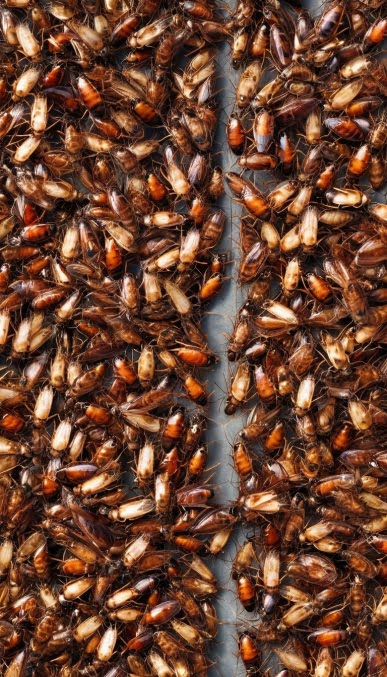
One of the biggest mistakes homeowners make is underestimating how fast pests multiply once they enter a property. What may seem like a small issue can quickly turn into a serious infestation in a short period of time.
Rodents are a clear example. Mice can reproduce every few weeks, and a single pair can lead to a large population within a couple of months. Rats follow a similar pattern, especially when they find warmth, shelter, and easy access to food inside a home.
Insects can spread even faster. Cockroaches, for instance, produce egg cases that contain multiple offspring. These hatch quickly in warm environments like kitchens or behind appliances. Because they stay hidden, their numbers often grow unnoticed until the infestation becomes severe.
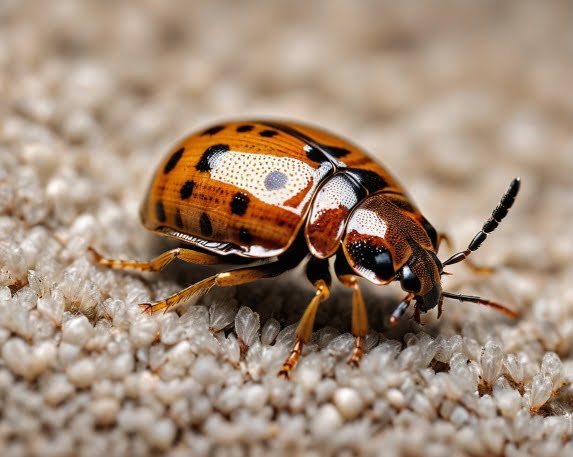
Bed bugs are another concern. While their reproduction is steady rather than explosive, their ability to spread through furniture, bedding, and clothing makes them difficult to contain. Once they settle in, they can move between rooms and even neighbouring properties.
Indoor conditions play a major role in how quickly pests multiply. Heated homes, food availability, and hidden spaces create the perfect environment for breeding. In urban areas, shared walls and drainage systems also allow pests to spread easily between properties.
This is why timing is so important. The longer pests are left untreated, the more time they have to reproduce and establish nests. Early intervention helps control the problem before it grows, reducing both damage and treatment costs.
Recognising the speed of pest growth is key. Acting quickly at the first sign of activity can prevent a minor issue from becoming a much larger and more difficult problem.
Small pest problems don’t stay small for long
Why pest multiplication speed is so important
Unlike many household problems that develop gradually, pest infestations grow exponentially. This means the population doesn’t increase at a steady pace—it expands rapidly once conditions are right.
A small number of pests can quickly become:
- Dozens within days or weeks
- Hundreds within a short period
- Thousands in severe infestations
Because pests are usually hidden in walls, floors, lofts, or drainage systems, their reproduction often happens unnoticed. By the time you see visible signs, the infestation is usually already well established.
This is why timing is critical in pest control. The earlier you act, the easier it is to control the situation.
How fast do rodents multiply?
Rodents, especially rats and mice, are among the fastest-reproducing pests found in residential properties.
Rats
Rats reproduce several times a year, and each litter can contain multiple pups. In warm and sheltered environments such as homes, basements, and lofts, they can thrive and expand quickly.
A single pair of rats can lead to a large infestation in a surprisingly short time if food and shelter are available.
Mice
Mice reproduce even faster than rats. A female mouse can give birth every few weeks, meaning populations can grow rapidly inside homes.
This is why even spotting one or two mice should never be ignored. It often indicates a much larger hidden population.
Rodents also spread quickly through:
- Wall cavities
- Loft insulation
- Floor voids
- Drainage systems
Because of their speed and ability to hide, rodent infestations can escalate quickly if not addressed immediately.
Why insects multiply even faster
While rodents are fast breeders, many insects reproduce at an even more alarming rate.
Cockroaches
Cockroaches are one of the most problematic household pests because of their rapid reproduction cycle. A single female can produce multiple egg cases, and each case can contain many offspring.
They thrive in warm, damp environments such as:
- Kitchens
- Bathrooms
- Behind appliances
- Drain systems
Cockroaches are also nocturnal and extremely good at hiding, which allows their population to grow unnoticed. By the time they are visible during the day, the infestation is often severe.
Ants
Ant colonies grow continuously. Once an ant finds a food source, it leaves a chemical trail for others to follow. This allows entire colonies to expand quickly into homes.
Ant infestations can spread through:
- Walls
- Floors
- Gardens connected to the property
Because queens continuously produce eggs, colonies can grow steadily and become difficult to control if left untreated.
Bed bugs
Bed bugs are another fast-spreading pest, especially in urban environments. While they do not multiply as rapidly as cockroaches or ants, their ability to spread through contact makes them highly effective at infesting homes.
They travel through:
- Clothing
- Luggage
- Furniture
- Bedding
Once inside a property, they spread from room to room quickly and are very difficult to eliminate without professional treatment.
Why pests multiply faster indoors
Homes provide the perfect environment for pests to thrive and reproduce. Several factors contribute to faster infestation growth indoors:
- Constant food supply
- Warm temperatures
- Safe hiding spaces
- Moisture and water sources
Urban areas make this even worse. Shared walls, drainage systems, and closely built properties allow pests to move between buildings easily, speeding up infestation spread.
The hidden danger: infestations grow before you see them
One of the biggest challenges with pest control is that infestations often develop out of sight.
Pests are experts at hiding in:
- Wall voids
- Ceiling spaces
- Under floors
- Behind appliances
- Inside pipework
This means reproduction is happening long before any visible signs appear. By the time you notice droppings, damage, or sightings, the infestation has usually already grown significantly.
Key warning signs pests are multiplying
Even though pests hide well, there are warning signs that their population is increasing:
- More frequent sightings over time
- Droppings appearing in multiple areas
- Scratching or movement sounds in walls
- Damaged food packaging
- Strong or unusual smells
- Nesting materials appearing indoors
If these signs increase, it often means the infestation is actively expanding.
Why timing matters in pest control
Timing is one of the most important factors in controlling pests. The longer you wait, the more time pests have to:
- Reproduce
- Spread through the property
- Build nests
- Become harder to eliminate
Early action can make a major difference by:
- Reducing infestation size
- Lowering treatment costs
- Preventing structural damage
- Stopping contamination risks
Once pests reach a mature stage of infestation, control becomes more complex and may require multiple treatments.
What happens if you delay treatment?
Delaying pest control is one of the most common mistakes homeowners make. Unfortunately, pests do not disappear on their own.
Instead, delays often lead to:
- Larger infestations
- Increased health risks
- Damage to wiring, insulation, and furniture
- Higher professional treatment costs
- Spread to neighbouring properties
In severe cases, what begins as a small issue can turn into a full property-wide infestation in a matter of weeks.
How professionals control fast-growing infestations
Professional pest control services focus on breaking the reproduction cycle and eliminating the source of the problem.
A typical process includes:
- Full property inspection
- Identification of pest species
- Locating nests and entry points
- Targeted treatment methods
- Follow-up visits if required
- Prevention advice to avoid re-infestation
Speed is essential, especially when dealing with rapidly multiplying pests.
How to slow down pest multiplication
While pests reproduce quickly, you can reduce the risk of infestations by making your home less attractive to them:
- Store food in sealed containers
- Clean crumbs and spills immediately
- Fix leaking pipes and damp areas
- Seal cracks, gaps, and entry points
- Dispose of rubbish regularly and securely
These simple steps can significantly reduce the conditions that allow pests to multiply.
Final thoughts
Pests multiply far faster than most people expect. Rodents, cockroaches, ants, and bed bugs can all grow from small numbers into major infestations in a short time if conditions are right.
The most important factor in pest control is timing. Early detection and fast action are the best ways to prevent serious damage, high costs, and long-term infestation problems.
If you suspect pest activity in your home, acting quickly is always the safest choice.
Request a free quote
Contact us today to request your free, no-obligation quote and take the first step toward a pest-free environment.

Al Joel is a practical writer and long-term property maintenance specialist who focuses on real-world pest control, home safety, and prevention advice. His blog posts are written in a clear, no-nonsense style, based on hands-on experience rather than theory. Al’s goal is simple: to help homeowners make safe, informed decisions and know when DIY is reasonable and when professional help is the smarter option.