
Emergency Pest Control: When You Should Act Immediately
Know when urgent action is needed
Pest problems are often underestimated at the beginning. A few droppings in the kitchen or a faint scratching sound in the wall may not seem urgent, but in many cases, these are early signs of a much larger issue developing behind the scenes.
Understanding when to call for emergency pest control is essential for protecting your home, health, and safety. Some pest situations can wait a short time, but others require immediate professional attention to prevent rapid escalation.
This guide explains the key warning signs, the risks of delay, and when urgent action is necessary.
Critical Warning Signs You Must Not Ignore
Pest issues can escalate faster than most homeowners expect, and knowing when to request emergency pest control can prevent serious damage to your property and health. While some infestations develop gradually, others require immediate professional action.
One of the clearest emergency signs is seeing rodents during the daytime. Rats and mice are usually active at night, so daylight sightings often indicate a severe infestation. You may also notice droppings, gnawed food packaging, or scratching noises inside walls or ceilings.
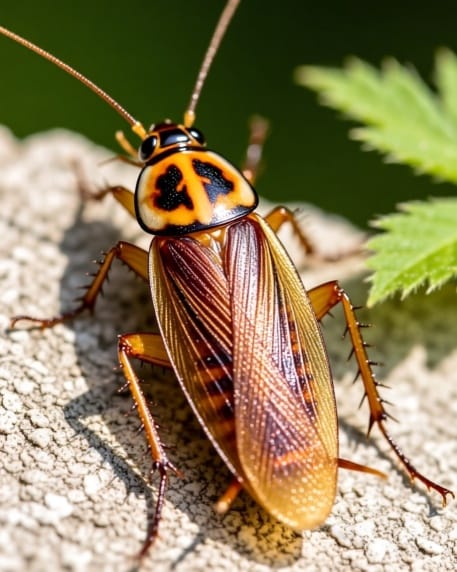
A sudden cockroach infestation is another urgent situation. Cockroaches multiply rapidly and thrive in warm, damp areas such as kitchens and bathrooms. Even a small number can quickly grow into a large infestation, contaminating surfaces and spreading bacteria.
Bed bugs also require immediate attention. Once they enter a home, they spread quickly through mattresses, sofas, and clothing. Their bites can cause irritation, and delays allow them to move between multiple rooms.
Wasps are another serious concern. If a nest is found near entrances, loft spaces, or gardens, it can become aggressive when disturbed. This creates a safety risk, especially for children, pets, or anyone allergic to stings.
You should also act immediately if pests appear alongside damp or water damage. Moist environments attract ants, silverfish, and cockroaches, allowing infestations to grow quickly if untreated.
The key issue with all pest problems is speed. Waiting too long often results in larger infestations, higher treatment costs, and greater disruption.
If you notice any of these warning signs, contacting a professional for emergency pest control is the safest way to protect your home.
When Emergency Pest Control Becomes Essential for Your Property

What is emergency pest control?
Emergency pest control refers to situations where pest activity has reached a level that requires urgent attention rather than scheduled treatment. These cases typically involve fast-moving infestations or high-risk pests that cannot be safely or effectively handled without professional help.
Emergency pest situations often include:
- Rapidly spreading infestations
- Significant health and hygiene risks
- Structural damage concerns
- Dangerous or aggressive pest species
The main goal is to contain and eliminate the problem as quickly as possible before it worsens or spreads further throughout the property.
Seeing rodents during the day
One of the most serious warning signs of a rodent infestation is spotting rats or mice during daylight hours. Since rodents are naturally nocturnal, they usually avoid being seen during the day.
If you notice them in the daytime, it often indicates:
- A large and established infestation
- Competition for food and space
- Overcrowded nesting areas
In addition to sightings, there are several other signs that suggest urgent action is needed:
- Droppings found in cupboards, drawers, or along skirting boards
- Gnaw marks on food packaging, wood, or electrical wires
- Scratching or movement noises within walls or ceilings
Rodents are not just a nuisance; they pose serious health and safety risks. They can carry harmful diseases and are known to chew through electrical wiring, which increases the risk of fire. This makes rodent infestations one of the most urgent pest problems requiring emergency control.
Rapid cockroach infestations
Cockroaches are among the fastest reproducing household pests, which makes them particularly difficult to control once established. Seeing even a few cockroaches indoors often indicates a much larger hidden population.
They thrive in warm, humid environments and are commonly found in:
- Kitchens
- Bathrooms
- Behind refrigerators and ovens
- Drainage systems and pipework
Cockroaches are highly resilient and can survive in difficult conditions, making them hard to eliminate without professional treatment.
The main concern with cockroach infestations is hygiene. They are known to spread bacteria such as Salmonella and E. coli, contaminating food surfaces, utensils, and preparation areas.
Because they reproduce rapidly, a small infestation can grow significantly within days or weeks if not addressed immediately.
Bed bugs spreading through the home
Bed bugs are small, discreet pests, but their impact on a household can be severe. Once introduced into a property, they spread quickly from room to room and are extremely difficult to remove without specialist treatment.
They commonly spread through:
- Mattresses and bed frames
- Sofas and upholstered furniture
- Clothing, luggage, and bedding
Unlike many other pests, bed bugs feed on human blood, usually at night. This leads to disrupted sleep and skin irritation.
Common signs of infestation include:
- Small red bite marks, often in clusters or lines
- Dark spots or stains on bedding and mattresses
- A mild, sweet, musty smell in heavily infested rooms
Bed bugs are notoriously resilient and can hide in tiny cracks and seams. Because of their ability to spread quickly and survive for long periods without feeding, immediate professional treatment is essential once they are detected.
Wasp nests near living areas
Wasps can become a serious safety risk when they build nests close to human activity. While they play a role in the ecosystem, their presence near homes can quickly become dangerous.
Common nesting areas include:
- Loft spaces and roof voids
- Eaves and wall cavities
- Garden sheds and garages
- Door frames and outdoor structures
Wasps are highly defensive of their nests. If they feel threatened or disturbed, they may become aggressive and sting multiple times. This can be particularly dangerous for children, pets, or individuals who are allergic to stings.
If a nest is discovered near entrances or frequently used areas, it should always be treated as an urgent pest control situation. Professional removal is strongly recommended to ensure safety.
Pests linked to damp and water damage
Moisture problems in a property create ideal breeding conditions for many types of pests. Damp areas provide both water and shelter, allowing infestations to develop quickly and remain hidden.
Common pests associated with damp conditions include:
- Ants near sinks and pipework
- Silverfish in bathrooms and kitchens
- Cockroaches in dark, damp corners
Water leaks and condensation issues often make pest problems worse by creating an environment where insects can multiply rapidly.
In these cases, pest control alone is not enough. The underlying moisture issue must also be addressed to prevent recurring infestations.
Strong or unusual smells
One often overlooked sign of a pest infestation is unusual or persistent odours. A sudden unpleasant smell in certain areas of the home can indicate hidden pest activity.
Possible causes include:
- Rodent nesting or decomposition
- Large cockroach populations
- Hidden infestations inside walls, ceilings, or floors
Smell is often one of the earliest indicators of a hidden problem, especially when pests are not yet visible. If a strong odour persists without explanation, it should be investigated immediately.
Why delaying pest control is dangerous
Many homeowners delay contacting professionals, hoping the problem will resolve on its own. Unfortunately, pest infestations rarely disappear without treatment.
Delaying action can lead to:
- Rapidly growing infestations
- Higher treatment and repair costs
- Increased health risks
- Structural damage to the property
For example, rodents can damage insulation, furniture, and electrical systems, while insects like cockroaches can contaminate large areas of a home within a short period.
The longer an infestation is left untreated, the more difficult and expensive it becomes to control.
What happens during emergency pest control?
Emergency pest control follows a structured and efficient process designed to quickly eliminate the immediate threat and prevent further spread.
A professional service typically includes:
- Inspection – Identifying the pest type and level of infestation
- Source identification – Locating entry points and nesting areas
- Immediate treatment – Applying targeted control methods safely
- Prevention measures – Sealing entry points and advising on future protection
Speed and containment are the main priorities in emergency situations, ensuring the infestation does not worsen.
How to prevent future pest emergencies
While not all infestations can be avoided, there are several steps homeowners can take to reduce the risk of emergency pest situations.
These include:
- Sealing cracks, gaps, and entry points
- Storing food in sealed, airtight containers
- Keeping bins tightly closed and regularly emptied
- Repairing leaks and damp issues promptly
- Scheduling regular pest inspections
Preventative measures are always more cost-effective than emergency treatments and can significantly reduce the likelihood of infestations developing.
Final thoughts
Emergency pest control is necessary when pest activity poses immediate risks to health, safety, or property. Whether it involves rodents, cockroaches, bed bugs, wasps, or moisture-related infestations, fast action is critical.
Ignoring early warning signs can quickly turn a minor issue into a serious infestation. Acting promptly not only reduces damage but also saves time, stress, and money in the long term.
When in doubt, it is always safer to seek professional pest control advice as soon as possible.
Request a free quote
Contact us today to request your free, no-obligation quote and take the first step toward a pest-free environment.

Al Joel is a practical writer and long-term property maintenance specialist who focuses on real-world pest control, home safety, and prevention advice. His blog posts are written in a clear, no-nonsense style, based on hands-on experience rather than theory. Al’s goal is simple: to help homeowners make safe, informed decisions and know when DIY is reasonable and when professional help is the smarter option.