
What Cockroach Eggs Look Like?
What Do Cockroach Eggs Look Like?
-
Cockroach eggs are usually found inside a small, brown or dark-colored capsule called an ootheca, which looks similar to a bean or pill-shaped case.
-
Each egg case (ootheca) can contain 10 to 50 eggs, depending on the cockroach species.
-
Oothecae are often hidden in warm, dark places such as behind appliances, inside cupboards, cracks, or near food sources.
-
Finding cockroach eggs is a serious sign of an active infestation, as eggs hatch quickly and lead to rapid population growth without professional treatment.
How Cockroach Eggs Are Laid and Identified
Cockroach eggs are produced only by female cockroaches and are kept inside a protective egg case known as an ootheca. The ootheca (egg sac) acts as a durable shield for the eggs and contains multiple embryos. Its hard outer shell is formed by a protein secretion that quickly hardens, protecting the eggs from damage and environmental threats.
Different cockroach species lay eggs in different ways. Some species deposit the ootheca shortly before the eggs hatch, while others drop or hide the egg case in safe locations, allowing the young cockroaches to emerge later. When eggs are laid without direct protection, cockroaches instinctively place them in narrow crevices, cracks, wall voids, or hidden gaps, where they remain well concealed until hatching.
The physical characteristics of cockroach eggs are highly distinctive. Size, colour, shape, and the number of eggs per ootheca vary by species, making it possible to identify the type of cockroach infestation simply by visually inspecting the egg cases with the naked eye.
The cockroach control specialists at Panther Pest Control use advanced detection equipment to quickly and accurately locate cockroach eggs and nesting areas, allowing for fast, effective treatment of infestations of any size before the problem escalates.
What German Cockroach Eggs Look Like?
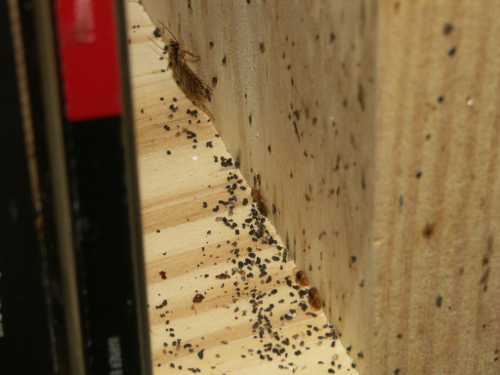
German cockroaches are very common in UK and may be spotted in domestic properties, commercial buildings and anywhere outside. The German cockroaches hold their oothecae (eggs sacks) inside their body until they are ready to be hatched. The egg sack of this roach species contains up to 50 eggs. The high number of eggs helps a lot for the rapid reproduction of this cockroach family.
An ootheca is produced every 3 or 4 weeks. The German roach is one of the cockroach species which eggs require a very short period to develop after hatching. About 36 days are required for a nymph to grow into an adult and continue its population.
The German cockroach eggs are thinner than those of other roach species. Usually, 5 hours are required for the nymphs to break from the capsule. In the beginning, the nymphs are initially white and in a few hours, when they absorb a significant quantity of oxygen, their exoskeleton becomes darker.
Very rarely, this colour change doesn’t occur which leads to an adult albino cockroach.
American cockroach eggs
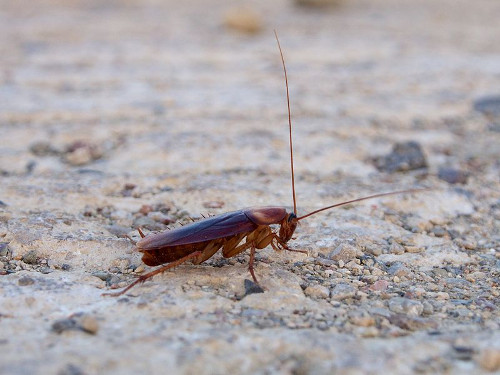
The eggs of the American cockroach, similarly to those of the German, grow inside the oothecae and are laid in a very similar way. The number of eggs inside the shell may reach 90, which is almost 100% more compared to the eggs of the German roach in terms of quantity.
The size of the egg case of the American cockroach is approximately 0.9cm. It’s brown in colour and is long-shaped. From 6 to 8 weeks are required before the nymphs grow big enough to leave the other. The American cockroach nymphs reach maturity a bit slower and about 6 to 8 weeks are usually enough for a nymph to turn into an adult insect.
A nymph goes through 13 stages of moulting (the phase when a roach changes its skin) before becoming completely mature, for this transformation a little over 5 months are required in most cases. During its lifespan, the average American cockroach produces about 150 young.
Oriental cockroach eggs
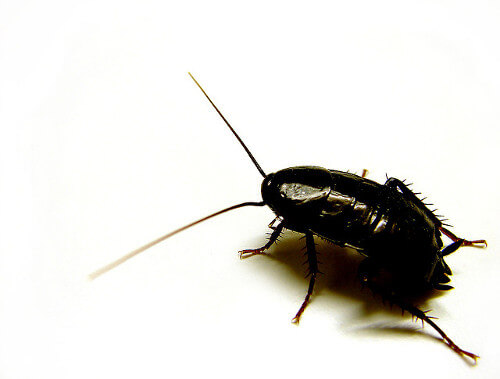
The Oriental cockroach oothecae are produced 1 day after mating and have a darker colour (black-brown). They are slightly longer than the eggs of other cockroach species, usually between 10 and 12mm and hold approximately 17 eggs, which are light yellow and later become red before finally changing their colour to dark brown.
If temperatures drop below 0 °C, the oriental cockroach eggs don’t hatch, the most suitable temperature for this is around 29.5 °C at which the nymphs hatch for about 42 days. If colder (about 21 °C), the small insects will leave breakthrough he ootheca in approximately 81 days.
Brown-banded Cockroach eggs
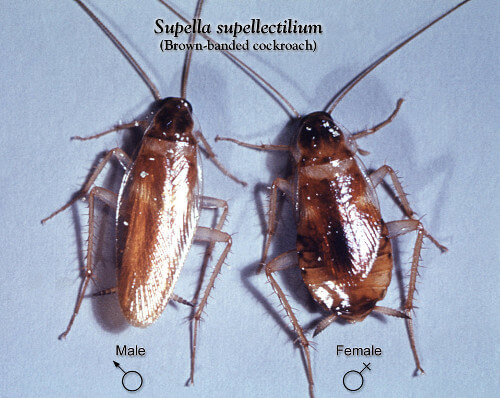
The Brown-banded cockroach is a roach species that is very common in the United Kingdom and has been a subject of studies because of its unusual sex pheromones. It’s highly recommended to learn how to recognize the eggs of this cockroach as it will give you an information that will later help you in dealing effectively with the infestation.
The ootheca of the oriental cockroach is light red with some brown on it and is a lot shorter than usual – about 5 mm. During its lifespan, a single but is able to produce about 20 egg cases, each containing about 15 eggs.
The nymphs of the brown banded cockroach are best identified by their yellow bands across the upper abdomen. The immature roaches need an average of 3 to 6 months to become adults (the time required depends on many factors such as temperature, food etc.).
Female brown-banded cockroaches carry the other for only 1 or 2 days, after which the bug starts seeking for a secure place where the capsule is attached.
Madagascar Hissing Cockroach Eggs

The female Madagascar cockroach carries its eggs, along with the ootheca inside its body. The nymphs inside use it as a food source that helps them grow big enough to get inside of it.
The egg-containing ootheca of the Madagascar cockroach is flat and may reach the same length as the cockroach’s body. The eggs inside very rarely contain more than 60 nymphs.
Unlike other cockroach species, the Madagascar cockroach does not inject an ootheca. It only takes most of it to give air to the eggs and then puts it back inside its body until the young nymphs grow.
When the nymphs grow big enough, they are laid directly straight from the female’s body. There is no ootheca that needs to be laid. Instead, the new brood gets out of the female alive.
Where Do Cockroaches Lay Eggs?
Most cockroach species will lay eggs where they will be protected from other insects. There also has to be a good portion of oxygen. Such places are:
- Tiny crevices
- Cracks in wall
- Spots behind or nearby appliances
- Inside pipes
- Inside piles of food waste
If your home or business property is infested by cockroaches which you cannot exterminate completely, consider hiring professionals for a complete cockroach control with up to 100% extermination efficiency.

Al Joel is a practical writer and long-term property maintenance specialist who focuses on real-world pest control, home safety, and prevention advice. His blog posts are written in a clear, no-nonsense style, based on hands-on experience rather than theory. Al’s goal is simple: to help homeowners make safe, informed decisions and know when DIY is reasonable and when professional help is the smarter option.